

Hear from Our Customers

A paint job on a Royal Oak home is not just cosmetic. These bungalows, colonials, and mid-century ranches were built to last — but Michigan winters are relentless. Every freeze-thaw cycle forces moisture into micro-cracks, and every season without proper paint protection is another season of wood exposure, water infiltration, and repair costs that compound quietly until they’re not quiet anymore.
When the prep is done right and the paint is applied correctly, you stop that cycle. Your siding stays sealed. Your trim holds its shape. Your home’s exterior looks the way it should on a Royal Oak street — sharp, well-kept, and worth what you paid for it.
Royal Oak’s tree canopy is one of the things that makes this city feel like home, but those mature trees create shaded surfaces that hold moisture longer than open lots. North-facing walls especially need paint that’s formulated for those conditions — products with real mildew resistance and flexibility to handle temperature swings without cracking. That’s not a detail most contractors think about. It’s one of the first things we do.
We’re a family-owned painting contractor based in Sterling Heights, serving Royal Oak and the surrounding Oakland County area. Our experience goes back over a decade, but Legends Painting LLC itself was built on a simple principle: the people who show up are the people who own the business.
We’ve spent years working on homes exactly like the ones lining Royal Oak’s neighborhoods — older builds with real architectural character, surfaces that require more than a quick roll, and owners who notice the difference between a careful job and a careless one. From Vinsetta Park to the bungalow neighborhoods near downtown, every job gets the same attention. No shortcuts on prep. No cutting corners to squeeze in another job. Just the work, done the way it should be.
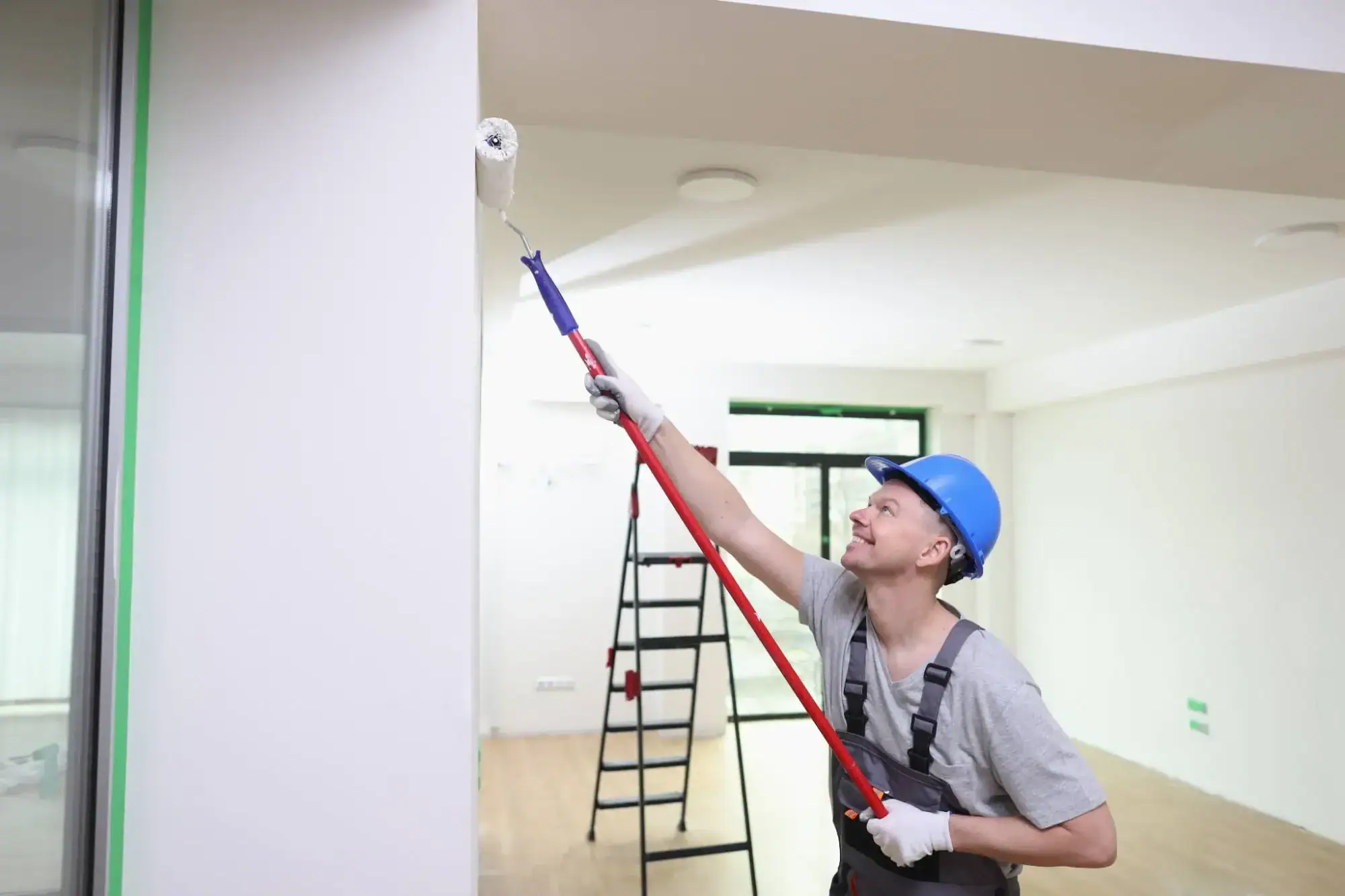
It starts with a free estimate. We come to your property, look at what you’re working with, and give you a clear breakdown of what the job involves — scope, materials, timeline, and cost. No vague numbers, no bait-and-switch pricing after the work starts.
Once the job is scheduled, prep comes first. On Royal Oak’s older homes, that means washing the surface, scraping and sanding any failing paint, replacing caulk around windows and trim, and addressing any bare wood before a single drop of new paint goes on. This is the step that determines how long your paint job actually lasts. Skipping or rushing it is how you end up repainting in three years instead of ten. For homes built before 1978 — which covers a large share of Royal Oak’s housing stock — we follow lead-safe work practices to protect your household throughout the process.
Then we paint. The right product for your surface and conditions, applied in the right number of coats, with clean edges and consistent coverage. When we’re done, we clean up completely and walk through the finished work with you before we leave. If something isn’t right, we address it. That’s the whole process — straightforward, no drama.

Ready to get started?
We handle interior and exterior residential painting, as well as commercial work across Royal Oak and Oakland County. Whether you’re refreshing a single room, repainting the full exterior of a craftsman bungalow near Normandy Oaks, or preparing a home to list in Royal Oak’s fast-moving real estate market — where homes are selling in an average of 23 days — we handle the full scope.
Exterior work includes full surface prep, primer where needed, paint application, and cleanup. For Royal Oak homes with wood siding, original trim details, or brick accents, we work carefully around the features that give the home its character. Paint selection is matched to the conditions your home actually faces — not just whatever’s on sale. Shaded surfaces near Royal Oak’s tree canopy get products with stronger mildew resistance. High-exposure areas get paint with better UV and moisture protection.
Interior painting covers everything from single rooms to full-home projects. Royal Oak’s older homes often have plaster walls rather than modern drywall, and that requires a different approach to prep and priming. We also offer low-VOC paint options for homeowners who want to minimize disruption to indoor air quality during and after the job. Every project — interior or exterior — is treated as a complete job, not a checklist.
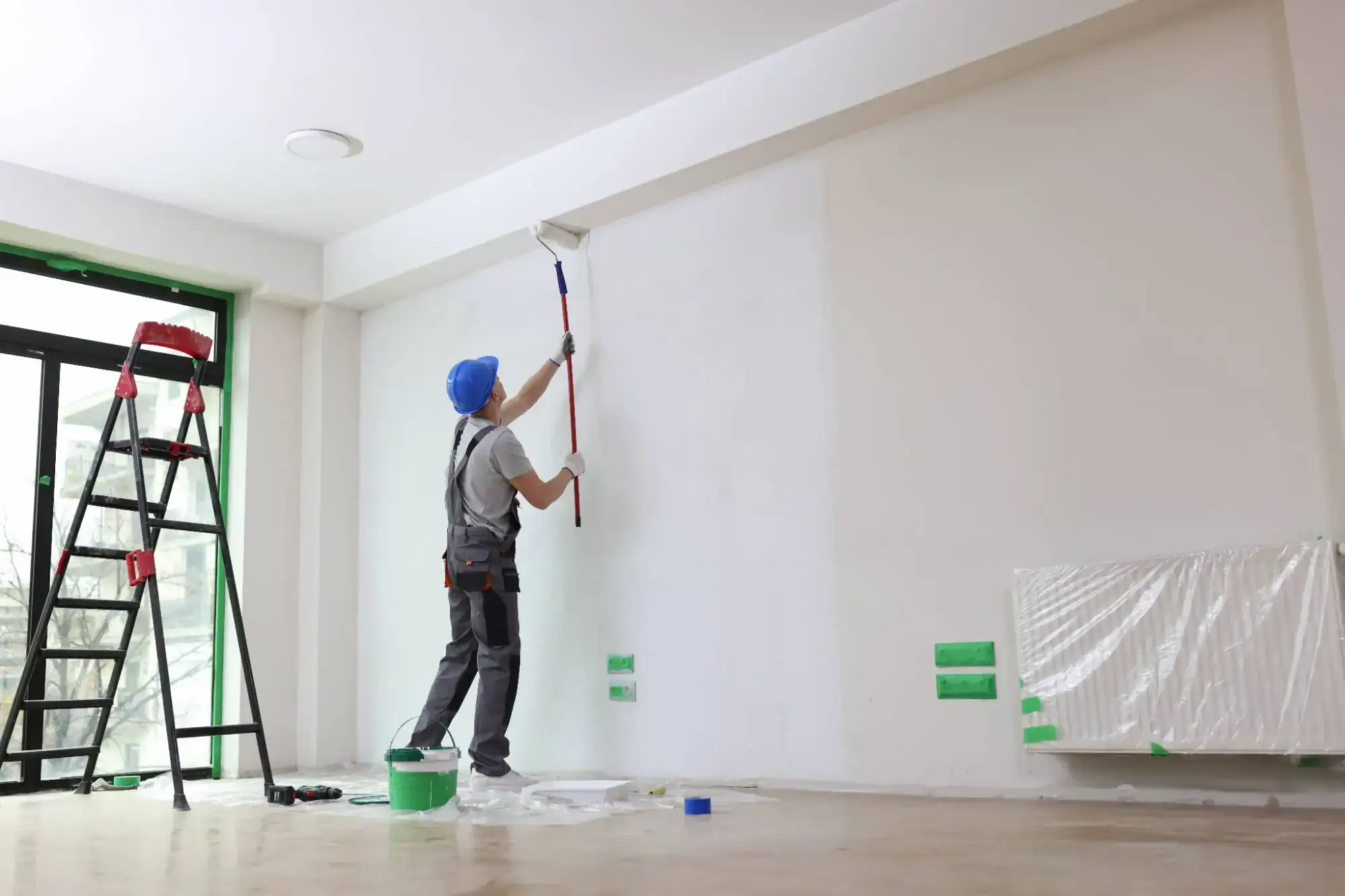
The honest answer is that it depends on the size of your home, the condition of the existing paint, and how much prep work is involved. For a typical Royal Oak single-family home — a bungalow or colonial in the 1,500–2,500 square foot range — exterior painting generally runs somewhere between $3,000 and $6,000, though larger homes or those requiring significant prep work can run higher.
What drives cost up most in Royal Oak specifically is the age of the housing stock. Homes built in the 1930s, 1940s, and 1950s often have multiple layers of old paint that need to be properly addressed before new paint can adhere correctly. That prep takes time, and any contractor who’s quoting you significantly below market rate is almost certainly skipping it. The cheapest bid is rarely the best value when you factor in how quickly a poorly prepped paint job fails. We provide free, detailed estimates so you know exactly what’s included before you commit to anything.
For most Royal Oak homes, a well-executed exterior paint job should last eight to ten years — sometimes longer if the prep was thorough and the paint quality was high. The challenge in this area is Michigan’s climate. Freeze-thaw cycles are the biggest factor: water gets into small cracks in the paint film, freezes, expands, and forces the paint away from the surface. Over time, that process adds up.
Royal Oak’s tree canopy adds another layer of complexity. Heavily shaded surfaces — especially on north-facing walls or homes with mature trees close to the structure — hold moisture longer and are more prone to mildew growth and paint breakdown. If you’re noticing peeling, chalking, or fading before the eight-year mark, it’s usually a sign that the previous job was under-prepped or the wrong product was used for your specific conditions. A proper repaint with the right materials, done at the right time of year, should give you a full decade of protection.
The optimal window for exterior painting in Royal Oak runs roughly from May through September. Paint needs temperatures consistently above 50°F to cure properly, and Michigan’s shoulder seasons — early spring and late fall — can be unpredictable enough that applying paint too early or too late risks adhesion failure before the job is even finished.
In Royal Oak specifically, the tree canopy can compress that window slightly on certain properties. Heavily shaded north-facing surfaces or homes surrounded by mature trees can hold moisture well into May, meaning those areas need additional drying time before paint goes on. We factor that into scheduling rather than just starting because the calendar says it’s warm enough. If you’re thinking about an exterior project, booking earlier in the season gives you better scheduling flexibility and ensures the work gets done under the best possible conditions — not squeezed into October before the first frost.
Standard exterior painting does not typically require a building permit in Royal Oak or anywhere in Michigan. You don’t need to file paperwork to repaint your siding or trim. That said, Royal Oak does enforce property maintenance codes through its Ordinance Enforcement division, which means visibly deteriorating paint — significant peeling, chipping, or fading — can become a code compliance issue if left unaddressed long enough.
There’s one situation where additional review may apply: if your home is located within or adjacent to a designated historic district. Royal Oak has a Chapter 82 Historic Preservation ordinance and a named historic district, the L.A. Young Historic District. Properties within that district may face review requirements for exterior alterations, including significant color changes. If you’re unsure whether your property falls within that boundary, it’s worth checking with the city before starting work. For most Royal Oak homeowners, though, a standard repaint is straightforward — no permits, no approvals, just scheduling and getting the job done.
This is one of the most important questions Royal Oak homeowners can ask, and most don’t think to ask it until after they’ve already hired someone. If your home was built before 1978 — which covers the majority of Royal Oak’s housing stock, given that most of the city’s single-family homes were built between the 1920s and 1960s — there’s a real possibility that lead-based paint is present somewhere on the structure.
Under the EPA’s Renovation, Repair and Painting Rule, any contractor disturbing more than six square feet of painted surface indoors or 20 square feet outdoors on a pre-1978 home is required to follow lead-safe work practices. Fines for non-compliance can reach $37,500 per violation — and more importantly, improper handling of lead paint creates genuine health risks for your household. Before hiring any contractor for work on an older Royal Oak home, ask directly how they handle lead paint compliance. A professional contractor should be able to answer that question clearly and without hesitation.
The most reliable signals are the ones that are hardest to fake. Verified reviews on Google or Angi with specific details — not just star ratings, but actual descriptions of how the job went — tell you more than any marketing claim. Look for reviews that mention whether the contractor showed up on time, how they handled prep, and whether the finished result matched what was promised.
Beyond reviews, ask for a written estimate that breaks down what’s actually included. In Royal Oak’s older housing market, prep work is where the difference between a five-year paint job and a ten-year paint job lives. If a contractor’s estimate doesn’t mention surface preparation, scraping, sanding, caulking, and priming, ask why. A low bid that excludes prep is not a deal — it’s a job you’ll be paying for again sooner than you should. Licensing and insurance are baseline requirements, not differentiators, but they matter. And if the contractor can’t clearly explain what paint products they’re using and why those products are right for your specific home and conditions, that’s a gap worth taking seriously before you sign anything.
