
Hear from Our Customers
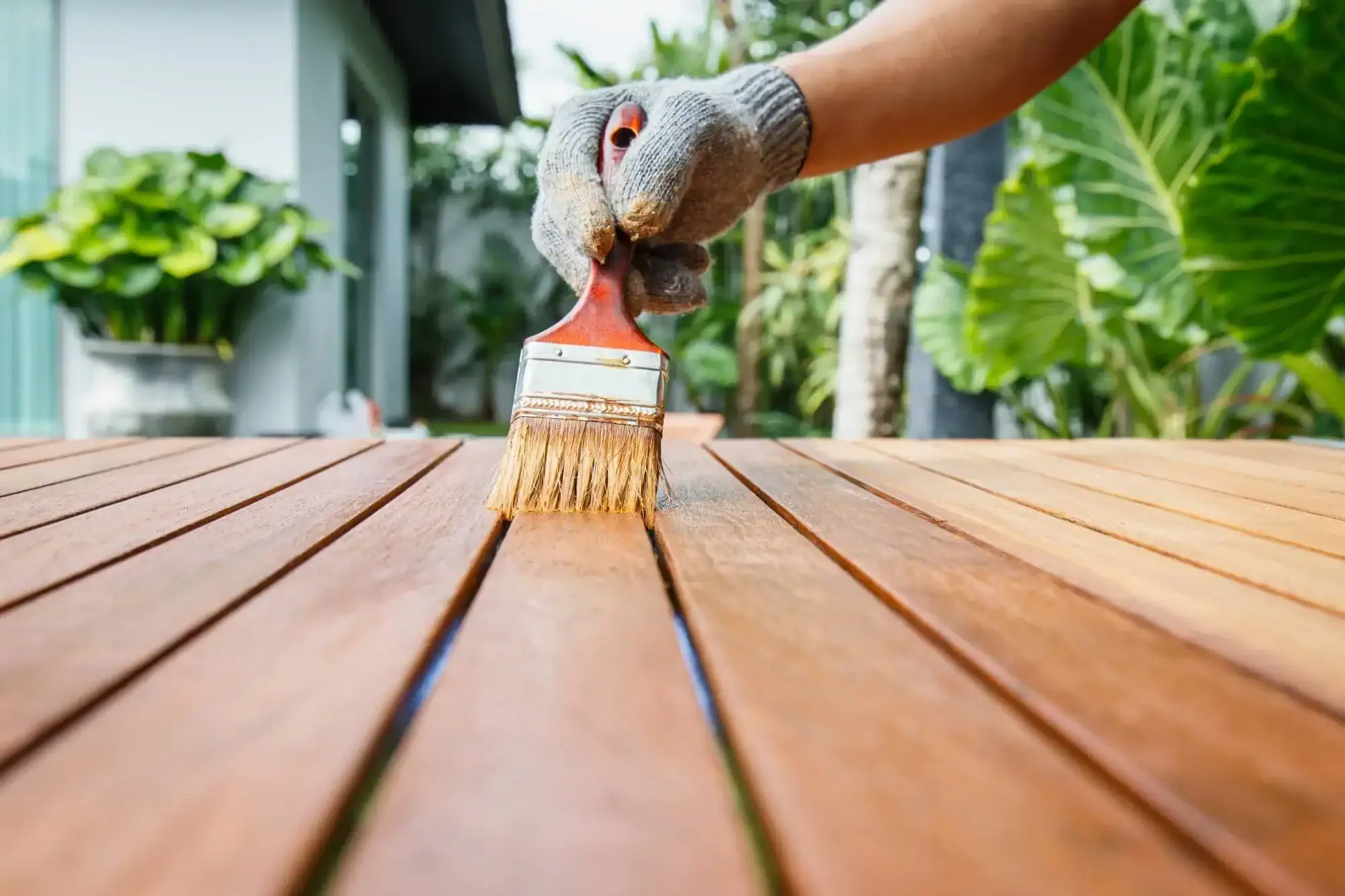
Royal Oak earned the “City of Trees” title for good reason — the canopy on streets like those running through Vinsetta Park and Catalpa Park is genuinely beautiful. But those same trees keep fence lines shaded and damp long after it rains, and that sustained moisture is exactly what accelerates mold, mildew, and wood rot. A penetrating stain doesn’t just sit on the surface. It works into the wood fibers and creates a barrier that moisture can’t easily break through — which matters a lot more here than it would in a sunnier, drier environment.
Then there’s the winter factor. Royal Oak temperatures swing from the low 20s in January to the mid-80s in summer, and that kind of range is hard on unprotected wood. Moisture gets in during wet months, freezes when the temperature drops, and expands inside the wood grain — cracking and weakening the fence from the inside out. Every Michigan winter compounds that damage. Professional fence staining interrupts that cycle and can extend your fence’s lifespan by years, which matters when you’re protecting a home worth $350,000 or more in a market this competitive.
The difference between a fence that holds up and one that doesn’t usually comes down to what was done — or not done — before the first winter hit. Staining is that decision. It’s not a cosmetic upgrade. It’s maintenance that pays for itself by pushing back the cost of a full replacement.
Legends Painting LLC is a family-run operation — two brothers who have been doing this work for over a decade and decided a couple of years ago to build something of our own. We’re based in Royal Oak and know this community’s neighborhoods, housing stock, and seasonal challenges better than anyone. Every fence staining job in Royal Oak and across Oakland County gets the same attention we’d give our own property, because our reputation is directly tied to the results we leave behind.
We’re fully licensed and insured — general liability and workers’ comp — and we show up when we say we will. That might sound like a low bar, but if you’ve hired contractors before, you know it isn’t. Royal Oak homeowners have a lot of options. We’re not trying to be the flashiest one. We’re trying to be the one you call back.
Our 4.9-star rating on Angi and HomeAdvisor didn’t come from marketing. It came from showing up on time, doing the work right, and leaving the job site clean. That’s the standard we hold ourselves to in every neighborhood we work in — from Northwood Heights to Woodwardside and everywhere in between.
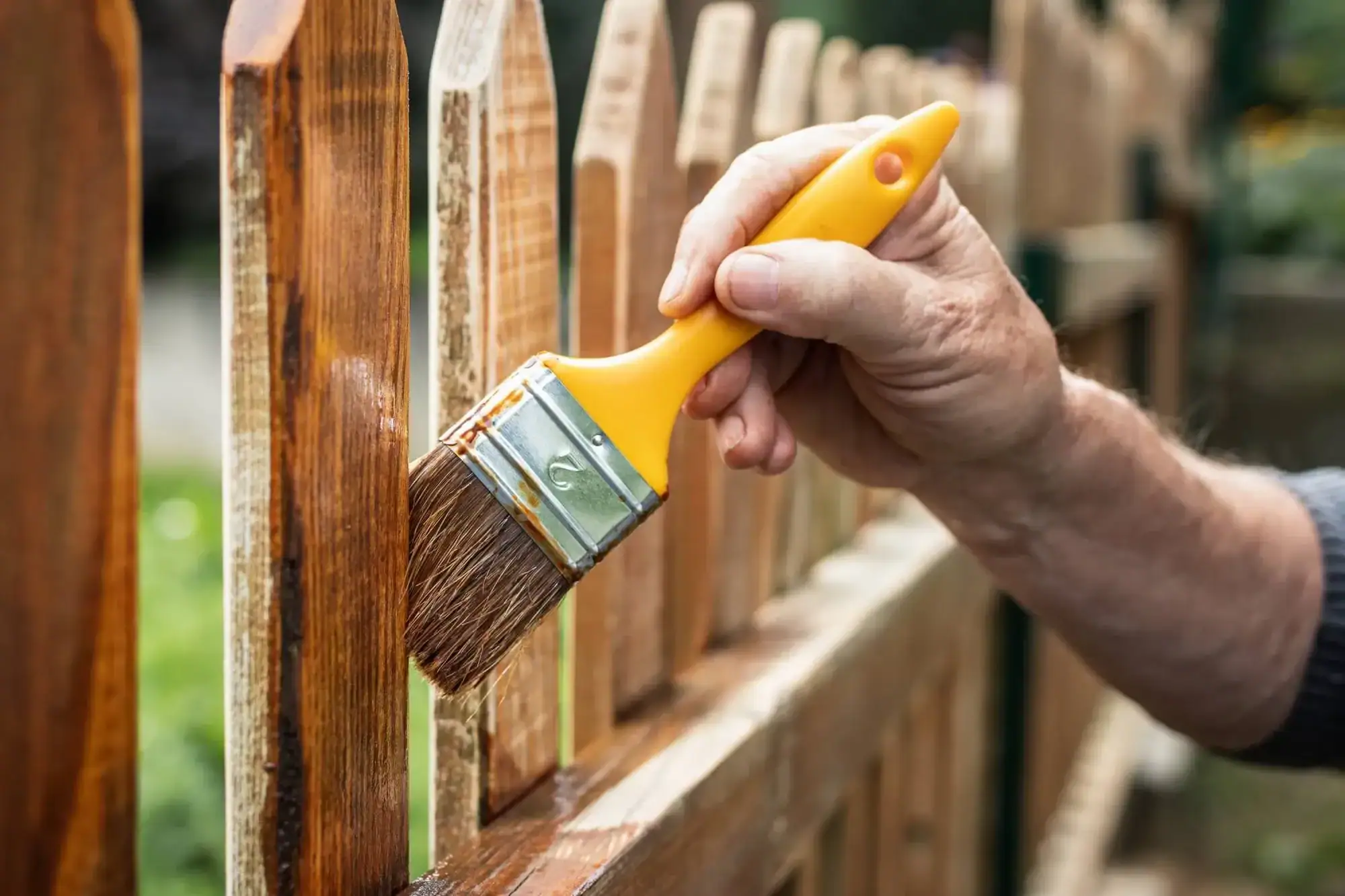
The first thing we do is assess the fence’s current condition. That step matters more than most homeowners realize. Royal Oak’s median home was built in 1956, which means a lot of fences in this city are aging structures that have been through decades of Michigan winters. Before any stain goes on, we need to know what we’re working with — whether the wood is dry enough, whether there’s old stain or paint that needs to come off, and whether the surface needs cleaning or brightening to accept the new product properly. Applying stain over dirty, oxidized, or damp wood is the single most common reason fence staining fails prematurely.
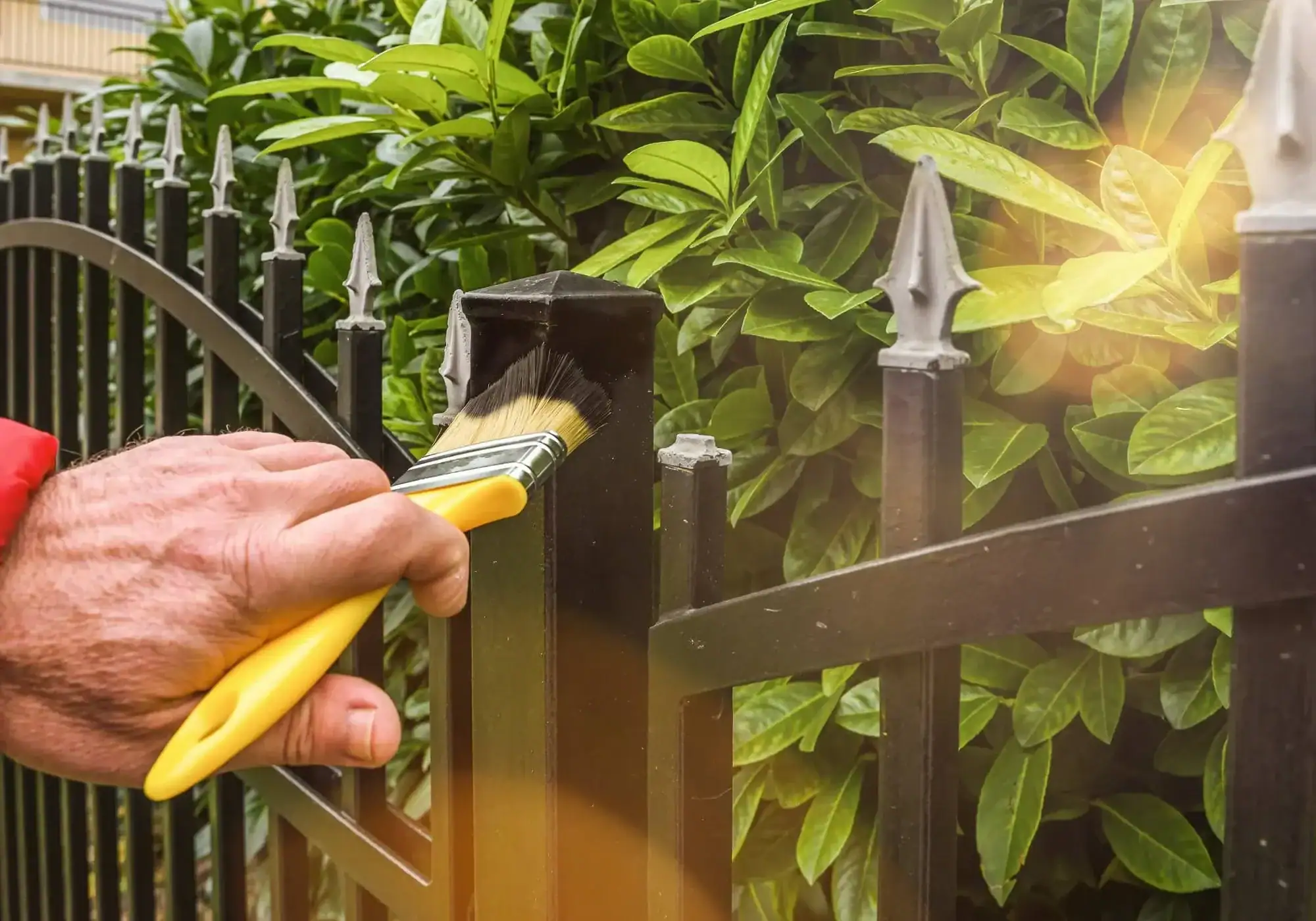
Once the surface is properly prepped and dry, we apply the stain using the method that fits your fence’s specific situation — brush, spray, or a combination — and we mask off anything nearby that shouldn’t get product on it. If you have established garden beds or mature plantings along your fence line, we protect them. Overspray on your landscaping is not acceptable to us, and it shouldn’t be acceptable to you either.
Timing matters in Michigan. We stain when temperatures are between 50°F and 90°F with no rain in the forecast — which makes spring and fall the primary windows in Royal Oak. Most residential fence staining jobs are completed in a single day. When we’re done, the site is clean, and you’ll know exactly what to expect going forward in terms of maintenance.
Ready to get started?
When you book fence staining services in Royal Oak with Legends Painting LLC, you’re getting a complete service — not just a coat of product brushed on and called a day. We start with a thorough surface assessment and cleaning to make sure the wood is in the right condition to actually hold a stain. If your fence has grayed from UV exposure or shows early signs of weathering — which is common in Royal Oak’s shaded, moisture-prone neighborhoods — that prep work is what separates a result that lasts from one that peels in a season.
We use professional-grade penetrating stains that are selected based on your fence’s wood type, age, and current condition. Cedar fences, which are common in Oakland County, respond differently than pressure-treated pine, and we account for that. The stain we apply is designed to hold up through Michigan’s freeze-thaw cycle, not just look good in the week after application.
It’s also worth knowing that fence staining is a maintenance service, not a construction activity — so it does not require a permit under Royal Oak’s fence ordinance (Chapter 323, amended 2022). You don’t need to navigate city approvals to get this done. You just need the right crew, the right product, and the right timing. That’s what we bring.
For most wood fences in Royal Oak, every three to five years is the general target — but the honest answer is that it depends on your fence’s specific conditions. Fences in heavily shaded areas, like those running along property lines under Royal Oak’s dense tree canopy, tend to stay damp longer after rain and are more vulnerable to mildew and surface degradation. Those fences may need attention closer to the three-year mark.
A simple test can tell you a lot: splash a small amount of water on the wood. If it beads up, the existing stain is still doing its job. If it soaks in quickly and darkens the wood, the protection has worn down and it’s time to restain. Don’t wait until the fence is visibly graying or cracking — by that point, you’re dealing with surface damage that requires more prep work, which adds time and cost to the project.
Stain and paint behave very differently on wood, and in Michigan’s climate, that difference is significant. Paint sits on top of the wood as a surface film. Over time — especially through the kind of freeze-thaw cycles Royal Oak sees every winter — that film expands and contracts at a different rate than the wood underneath it. The result is peeling, cracking, and blistering that looks bad and leaves the wood exposed anyway.
Stain penetrates into the wood fibers rather than coating the surface. Because it becomes part of the wood rather than sitting on top of it, there’s nothing to peel or blister. It also allows the wood to breathe, which is important in a climate with high humidity in summer and deep cold in winter. For most residential wood fences in Royal Oak — cedar, pine, or otherwise — a quality penetrating stain is the more durable, lower-maintenance choice over the long run.
Spring and fall are the two prime windows for fence staining in Royal Oak. You need temperatures consistently between 50°F and 90°F with no rain in the forecast for at least 24 to 48 hours after application — conditions that Michigan simply doesn’t offer reliably outside those two seasons. Spring, typically April through May, is when most homeowners notice winter damage and want to act on it. Fall, September through October, is the other strong window and arguably the more strategic one, because staining before winter gives your fence the protection it needs going into the harshest part of the year.
One thing worth knowing: spring booking windows fill up quickly in this area. If you’re thinking about getting it done, reaching out early in the season is worth it. A fence that misses the fall window goes into another Michigan winter unprotected, and that’s another year of freeze-thaw damage compounding inside the wood.
No — fence staining does not require a permit in Royal Oak. Under Royal Oak’s fence ordinance (Chapter 323, last amended in October 2022), permits are required for fence construction and installation. Staining an existing fence is a maintenance activity, not a construction project, so it falls outside the permit requirement entirely.
That said, Royal Oak does have an active code enforcement program, and the city takes fence compliance seriously — illegal or non-compliant fence installations are among the violations the city investigates. If you’re ever unsure whether work on your fence crosses into construction territory (adding sections, replacing posts, changing height), that’s when you’d want to check with the city. For staining an existing structure, you’re clear to move forward without any city approval process.
In many cases, yes — an older, weathered fence can still be stained effectively, but the prep work becomes more important. If the wood has grayed from UV exposure, it needs to be cleaned and brightened before stain is applied. Gray wood has an oxidized surface layer that stain won’t penetrate properly without that preparation step. Skipping it is the reason a lot of DIY and low-quality staining jobs fail within a season.
The real question is whether the wood is structurally sound. If boards are soft, crumbling, or showing active rot, staining won’t fix that — those sections need to be replaced before the rest of the fence is stained. Given that Royal Oak’s median home was built in 1956, plenty of fences in established neighborhoods like Lincoln Manor and Washington Heights are aging structures that have been through a lot. A proper assessment before the job starts is how you know what you’re actually dealing with — and we do that before we quote anything.
Most residential fence staining projects in the Royal Oak area fall somewhere between $300 and $800, though the range can go higher depending on fence size, condition, and the amount of prep work required. Pricing is typically calculated by linear foot, and the condition of the wood makes a real difference — a fence that needs significant cleaning, brightening, or minor repairs before staining will cost more than one that’s in good shape and ready to go.
Royal Oak’s housing stock skews older, which means prep work is a more common factor here than it might be in newer subdivisions. A fence that’s been through 20 or 30 Michigan winters without consistent maintenance is going to need more attention before stain goes on. That’s not a reason to avoid the project — it’s a reason to get an accurate assessment upfront so there are no surprises. When you reach out to us, we’ll give you a straightforward quote based on what your fence actually needs, not a low number to get in the door.
