
Hear from Our Customers
Untreated wood in Memphis doesn’t gray slowly — it goes fast. Between the Belle River moisture corridor running along the northern and eastern edges of the city and the freeze-thaw cycles that hit this part of Macomb County hard from October through April, an unprotected fence is absorbing and releasing water dozens of times every winter. That repeated expansion and contraction is what splits rails, cracks posts, and turns a fence that looked fine in September into one that needs boards replaced by spring.
Professional wood fence staining in Memphis, MI stops that cycle before it starts. A quality penetrating stain doesn’t sit on top of the wood — it bonds with the fibers from the inside, creating a moisture barrier that holds up through the worst of what Michigan throws at it. That means fewer repairs, a longer lifespan, and a fence that doesn’t become a replacement project two years ahead of schedule.
For homeowners on the outskirts of Memphis with larger rural lots and longer fence runs, this matters even more. Replacing 300 feet of fencing costs real money. Staining it every few years costs a fraction of that — and keeps the wood healthy for decades.
We’re Legends Construction LLC, a family-owned, owner-operated painting and staining company based right here in Macomb County — the same county Memphis calls home on its southern half. The two brothers behind this company have been doing this work for over ten years, and we built Legends on a straightforward idea: do the job right the first time, and customers will call back. That approach has earned us a 4.9-star rating across verified review platforms, and it’s the reason most of our new work comes from referrals.
Memphis is a small city. Word travels fast on M-19 and through the Memphis Community Schools network. A contractor who shows up, does clean work, and respects your property gets talked about — and that’s exactly the kind of reputation we’ve built across Macomb County. When you hire us for fence staining services in Memphis, MI, the people doing the work are the people who own the business.
It starts with a look at your fence — its age, wood type, current condition, and how much sun and moisture exposure it gets. A fence on an open rural lot outside Memphis with full southern exposure needs a different approach than one tucked along a shaded property line near downtown. That assessment determines the right stain type, the prep required, and a realistic timeline.
Before any stain goes on, we clean the surface thoroughly. Dirt, mildew, oxidation, and any old coating that’s failing all have to come off first — because stain applied over a compromised surface won’t bond correctly and won’t last. In Memphis, spring prep timing matters too. After snowmelt and the ground saturation that comes with it, fence posts and base rails near the Belle River corridor can hold moisture longer than you’d expect. We check for this before the first drop goes on, because staining before the wood has dried out is one of the most common reasons stain jobs fail early.
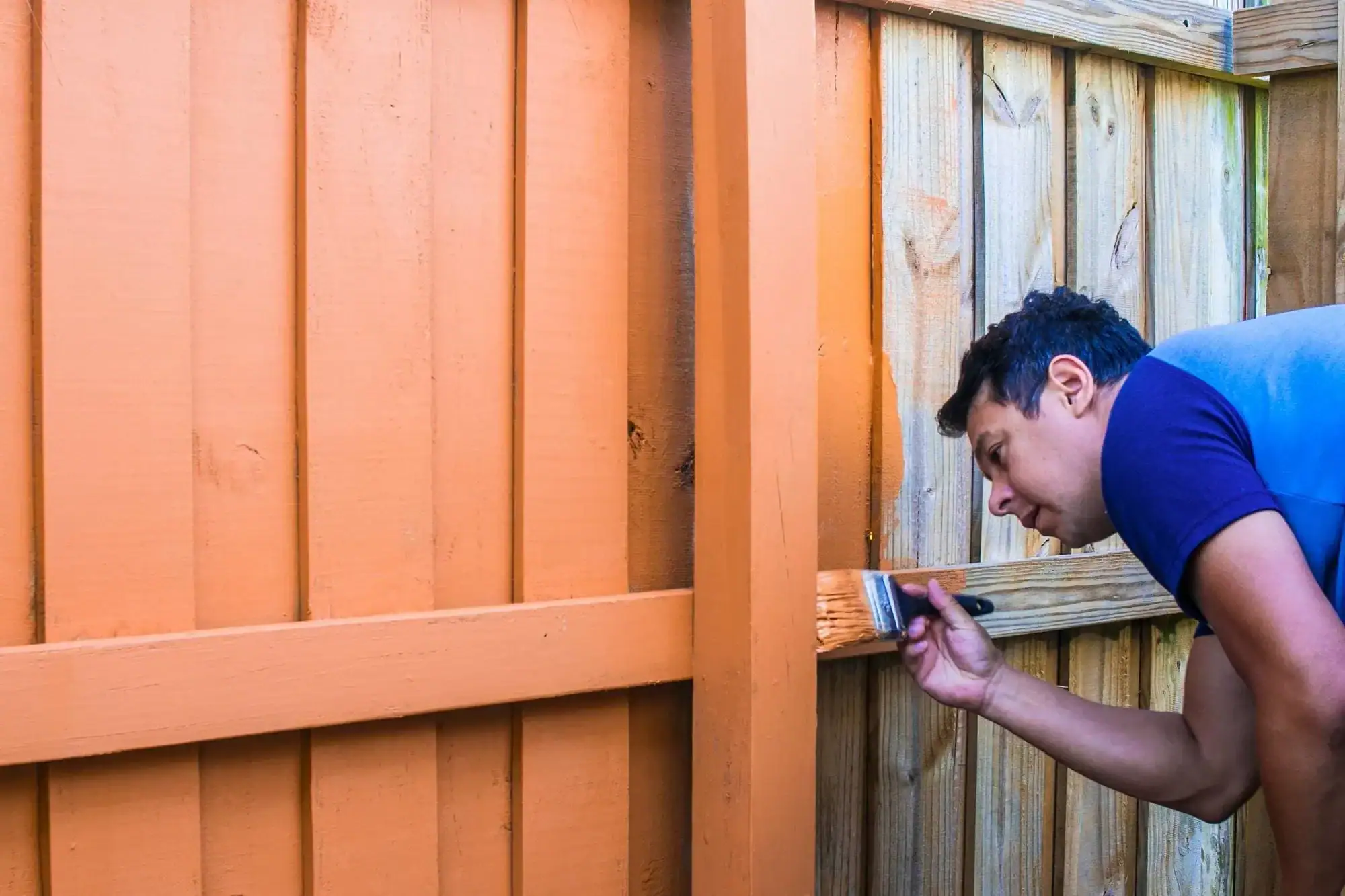
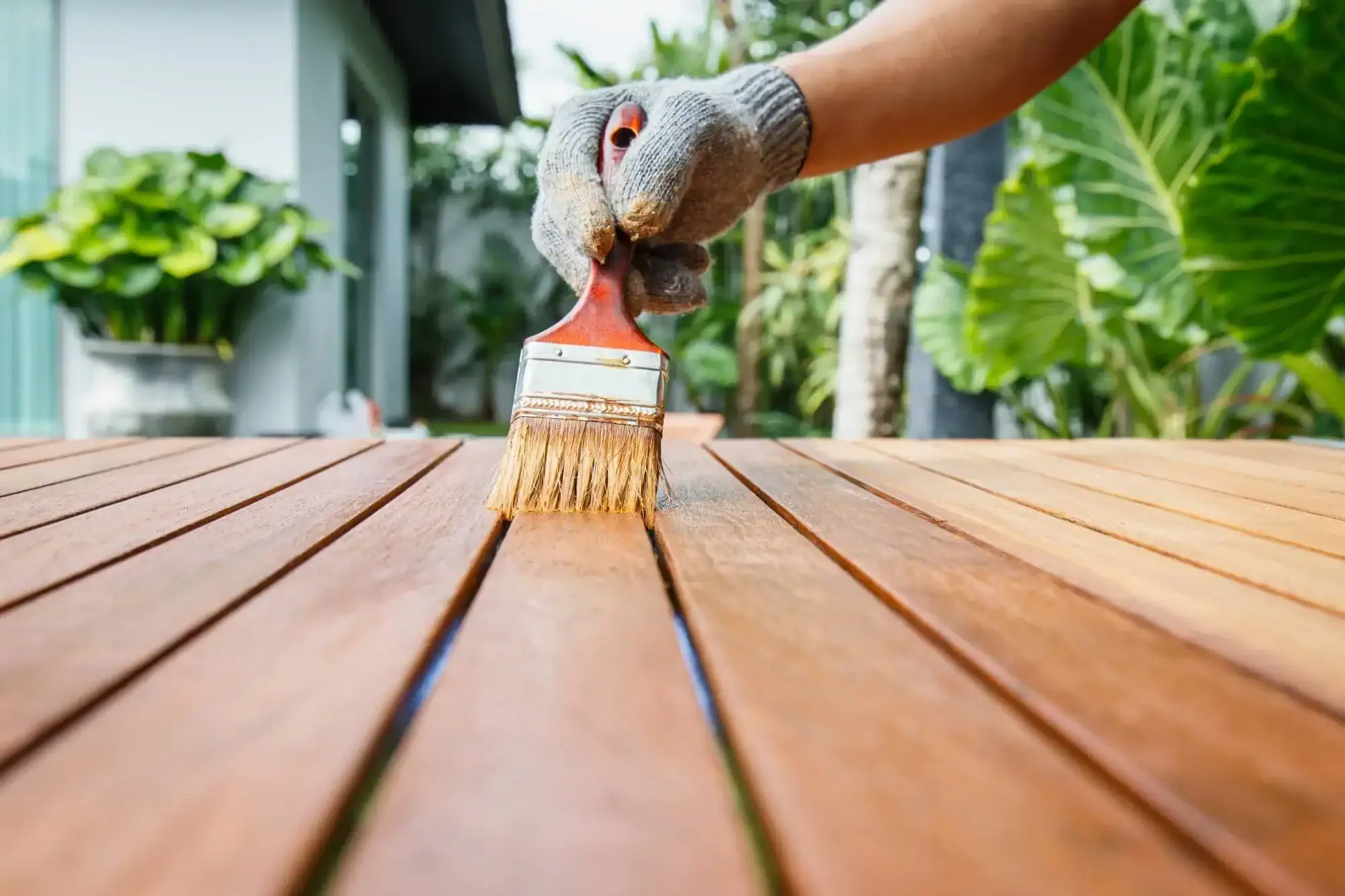
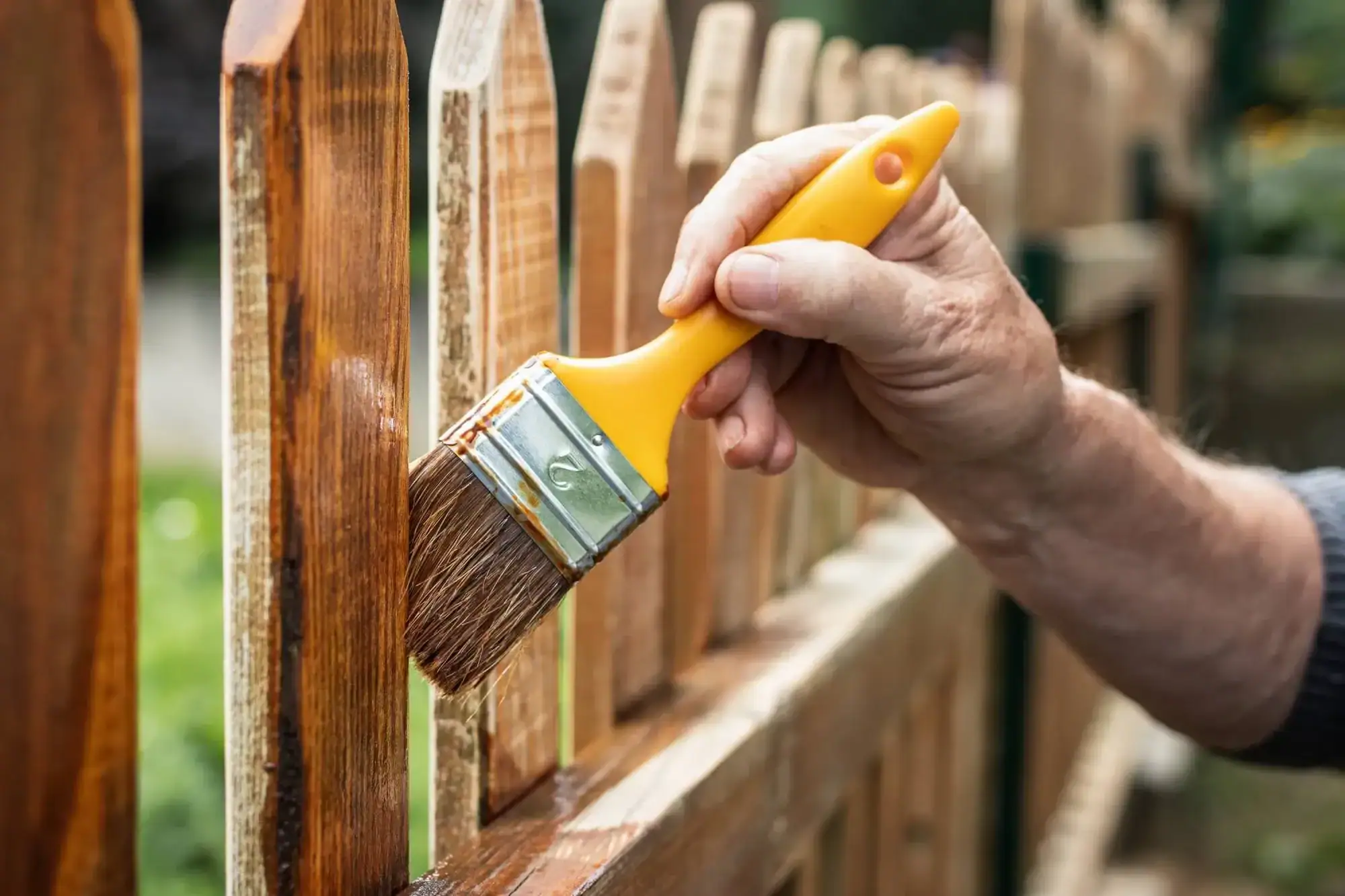
Once the surface is clean and dry, we apply stain evenly and thoroughly — edges, posts, and all the spots that get skipped in a rushed job. Your landscaping and surrounding surfaces are protected throughout. When the work is done, you’ll know exactly what was applied, how long it needs to cure, and when to plan for the next maintenance cycle.
Ready to get started?
Not every fence needs the same product, and using the wrong one is how you end up with a stain job that looks uneven, fades fast, or fails before the next Michigan winter. We select the stain based on what your fence actually needs — transparent formulas for newer wood with visible grain, semi-transparent or semi-solid options for wood that’s showing some weathering, and solid stains for older surfaces that need maximum protection and coverage.
For Memphis homeowners dealing with new construction on the outskirts of downtown, there’s an important timing consideration: new pressure-treated lumber needs to cure before staining — typically 30 to 90 days depending on moisture content. Staining too early traps moisture in the wood and prevents proper penetration. We walk new homeowners through that window so the first staining job is done at the right time and lasts the way it should.
Every project includes full surface preparation, proper masking to protect plants and adjacent surfaces, and a product selection conversation so you understand what’s going on your fence and why. Fence staining in Memphis, MI doesn’t require a permit — this is maintenance work on an existing structure — so there’s no waiting on approvals. The focus is entirely on doing the job right, with products that hold up to the specific conditions your fence faces in this part of Michigan.
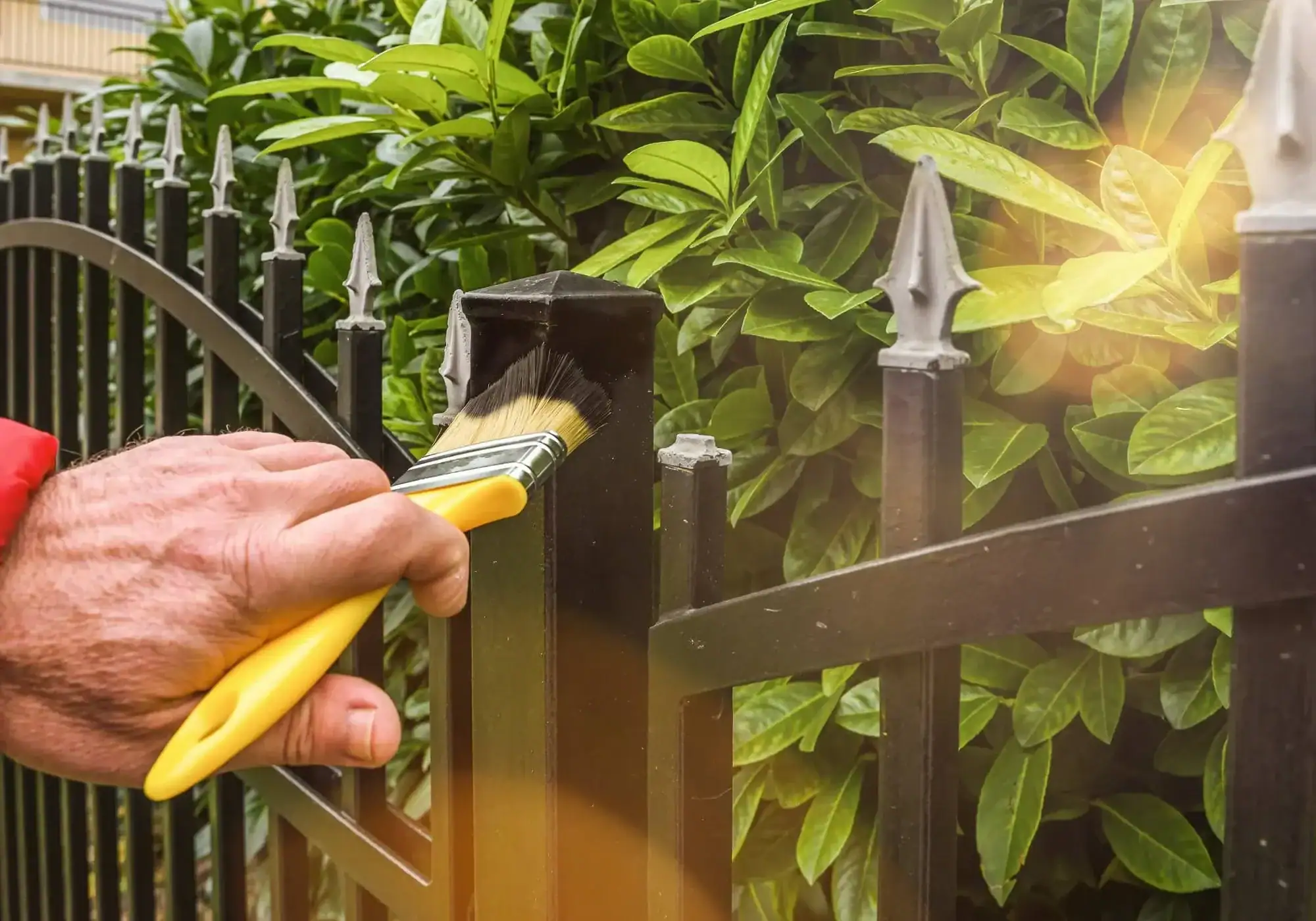
For most wood fences in Memphis, plan on restaining every two to four years — but the honest answer depends on your fence’s exposure. Fences on open rural lots along the outskirts of Memphis that face south or west and get direct, unobstructed sun all day will show UV wear faster than a fence on a shaded downtown lot. Similarly, fence posts and base rails near the Belle River corridor tend to absorb more ground-level moisture throughout the year, which accelerates weathering at the soil line.
A simple test helps you know when it’s time: splash a small amount of water on the fence surface. If it beads up, the stain is still doing its job. If it soaks in immediately, the wood is unprotected and it’s time to restain. Catching it at that point — before the wood starts graying and cracking — keeps the job straightforward and the cost manageable. Waiting until the fence is visibly deteriorating means more prep work and sometimes board replacement before staining can even happen.
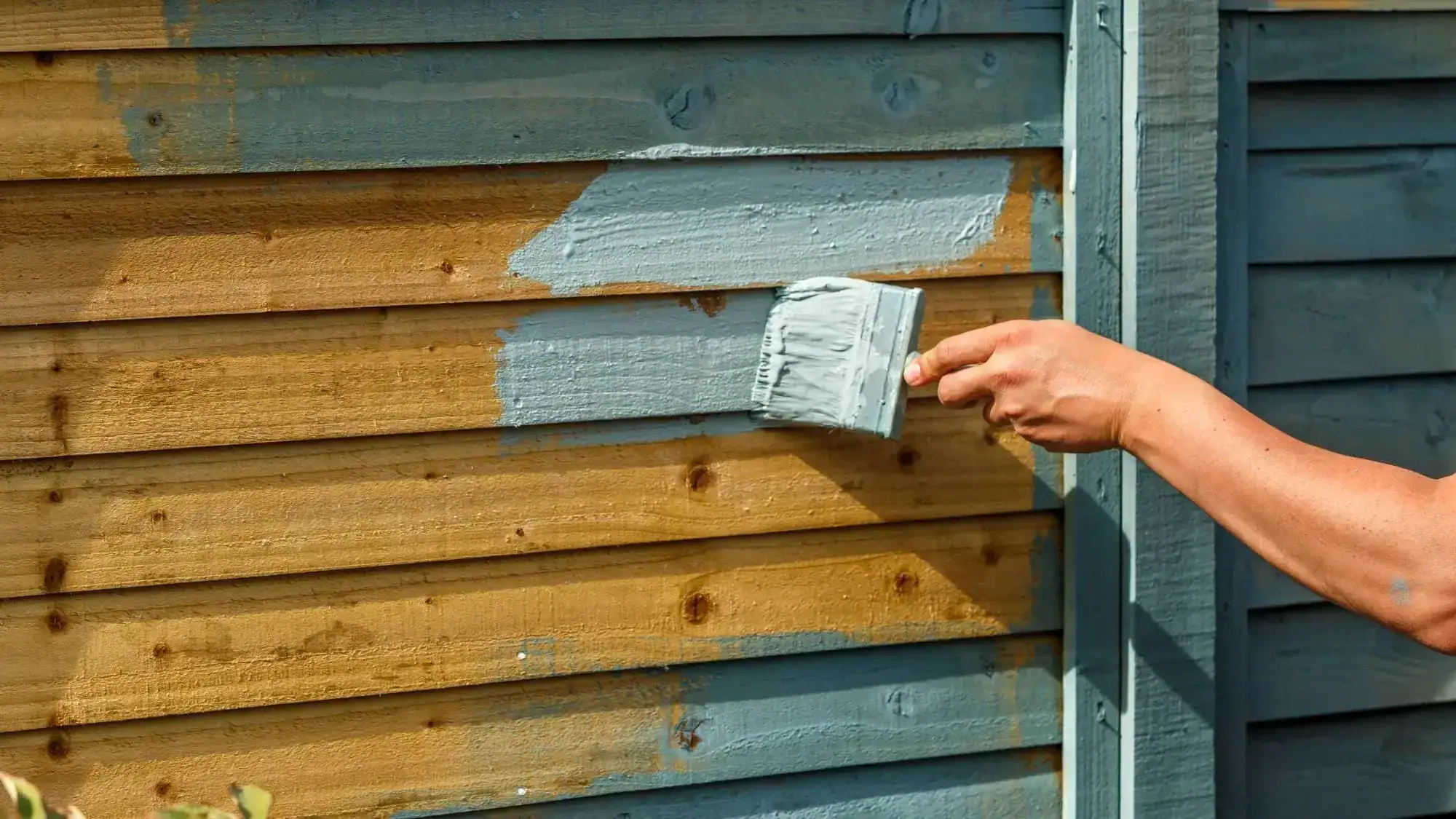
Stain penetrates into the wood fibers and creates a moisture barrier from the inside out. Paint forms a film on the surface. That distinction matters a lot in Michigan’s climate, where exterior wood is constantly expanding and contracting with temperature and humidity changes. Paint film doesn’t flex the way wood does — it cracks, blisters, and peels, especially on fence surfaces that take direct weather exposure season after season.
When paint fails, you’re looking at stripping, sanding, and priming before anything new can go on — a significantly more labor-intensive process than restaining. When stain reaches the end of its life, we clean the surface, let it dry, and restain. For wood fences in Memphis, MI — where freeze-thaw cycles and river-corridor moisture are constant factors — stain is almost always the better long-term choice. It’s lower maintenance, more forgiving on the wood, and easier to renew when the time comes.
Late spring through early fall is the viable window — roughly mid-May through mid-October. Stain needs temperatures above 50°F to cure properly, and it shouldn’t be applied in direct, intense midday sun, which causes it to dry on the surface before it can penetrate. Memphis’s open rural setting means a lot of fence lines sit in full, unobstructed sunlight, so we time applications for early morning or overcast days to ensure even absorption.
Spring timing in Memphis requires patience. After snowmelt and the ground saturation that follows, fence posts and base rails — especially on properties near the Belle River — can stay damp longer than expected. Staining wet wood is one of the most reliable ways to get a stain job that fails within a season. Late August through September is often the most reliable window: temperatures moderate, humidity typically drops, and the wood has had a full summer to dry. It also gives the stain maximum time to cure before the first hard freeze arrives.
Fence staining is typically priced by the linear foot, with most professional projects running somewhere between $2 and $14 per linear foot depending on fence height, wood condition, stain type, and the amount of prep work required. For a standard residential fence in Memphis, most homeowners are looking at somewhere in the $300 to $800 range for a typical project — though larger rural properties with longer fence runs will land higher.
The condition of the fence going into the job affects cost more than most people expect. A fence that’s been maintained and just needs a fresh coat is straightforward. A fence with significant mildew buildup, gray oxidation, or failing old stain requires more prep time before any new product can go on — and that prep is what determines whether the new stain actually lasts. We get an accurate estimate by looking at the fence in person, which is the only way to give you a real number without guessing.
You can stain a fence yourself — and plenty of people do. The challenge is that the results vary a lot based on prep work, product selection, and application technique. The most common DIY issues are staining over wood that isn’t fully clean or dry, using a product that isn’t right for the wood’s condition, and applying stain unevenly — which shows up as blotchy or streaky coverage that fades inconsistently.
In Memphis, the moisture environment near the Belle River and the open sun exposure on rural lots create conditions where those variables matter more than they might in a more forgiving climate. A stain job done without proper prep in this environment can fail within a year, which means you’re doing the whole thing over again — and spending more in the long run than a professional job would have cost upfront. If you have a straightforward fence in good condition and you’re comfortable with the prep process, DIY is a reasonable option. If your fence has weathering, mildew, or hasn’t been stained in several years, professional application is going to give you significantly better results and a longer service life.
It does both, but the protection is the more important part — especially in Memphis. The gray, weathered look that develops on unstained wood isn’t just cosmetic; it’s a sign that UV radiation has broken down the surface fibers and that moisture is moving in and out of the wood freely. Once that process is underway, fungal growth and rot follow, particularly at the soil line where fence posts meet the ground. That’s the most common point of structural failure for wood fences, and it’s accelerated by the ground-level moisture conditions in the Belle River watershed that runs through this part of Macomb and St. Clair County.
A penetrating stain slows that moisture cycle significantly. It doesn’t make wood invincible, but it dramatically extends the point at which rot becomes a real problem — which means the difference between a fence that lasts 10 years and one that lasts 20 or more. The cosmetic benefit is real too: a properly stained fence looks clean, intentional, and well-maintained. But for Memphis homeowners dealing with river-corridor humidity and hard Michigan winters, the structural protection is the reason fence staining is worth doing on a regular schedule, not just when the fence starts looking rough.