

Hear from Our Customers
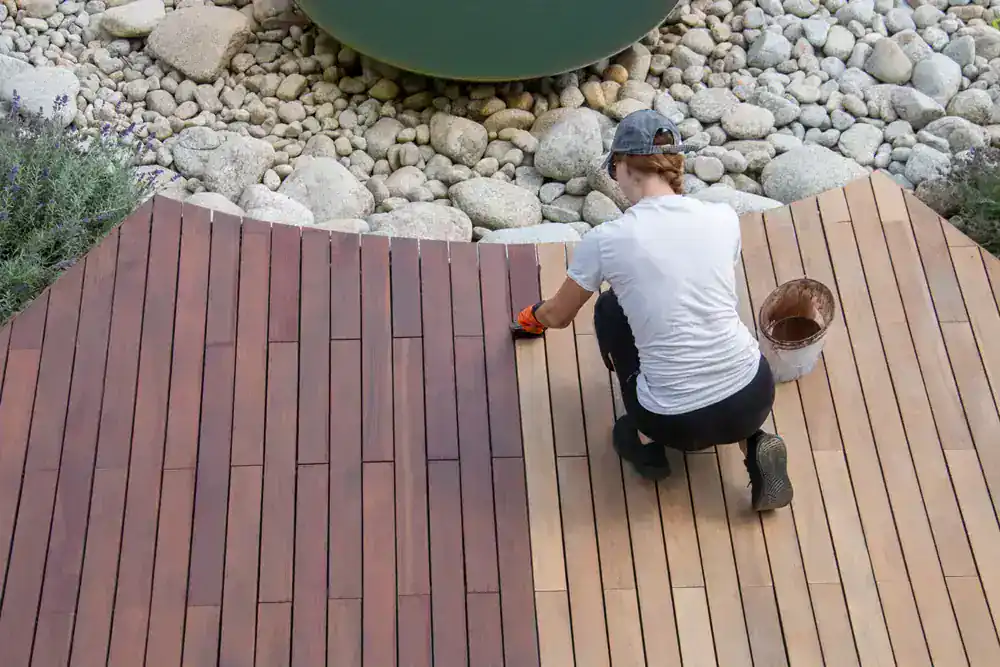
If your deck is graying, cracking, or starting to splinter along the edges, that’s not just a cosmetic issue — it’s the beginning of a much more expensive problem. Wood that’s left unprotected in Marine City’s climate absorbs moisture, freezes, expands, and breaks down from the inside out. By the time it looks bad enough to act on, the damage is already compounding underneath. A proper stain job stops that cycle before it gets worse.
Living along the St. Clair River or Belle River means your deck is dealing with conditions most Michigan homeowners never have to think about. Wind-driven moisture, elevated humidity near the water, and direct river exposure accelerate wood degradation at a pace that inland properties simply don’t experience. The right stain — applied correctly over properly prepped wood — creates a barrier that holds through freeze-thaw season, not just through the first summer.
Beyond protection, there’s the practical reality of how much you actually use your deck. In Marine City, that space isn’t just a backyard feature — it’s where you watch freighter traffic roll down the river, where you spend your summer evenings, where guests gather. A deck that’s clean, solid, and freshly stained looks intentional. It reflects the same care that makes Marine City’s historic homes worth preserving in the first place.
Legends Painting LLC is a family-run painting and exterior finishing company serving Marine City and the broader St. Clair County area. We’re two brothers doing the work — not a franchise, not a dispatch service, not a crew of rotating subcontractors. When you call, you’re talking to the people who will actually show up.
We’ve been operating under the Legends name for about two years, but the experience behind it goes back over a decade. That matters when you’re dealing with older wood — the kind you find on Victorian-era homes along Water Street in Marine City, wraparound porches near the Belle River, or weathered dock-side decks that have taken a few hard winters. Knowing how to prep that wood correctly, choose the right stain for the surface condition, and apply it in a way that actually lasts takes time to learn. That time has been put in.
The goal on every job is straightforward: do the work right, leave the customer with something they’re genuinely satisfied with, and earn the call back next time.
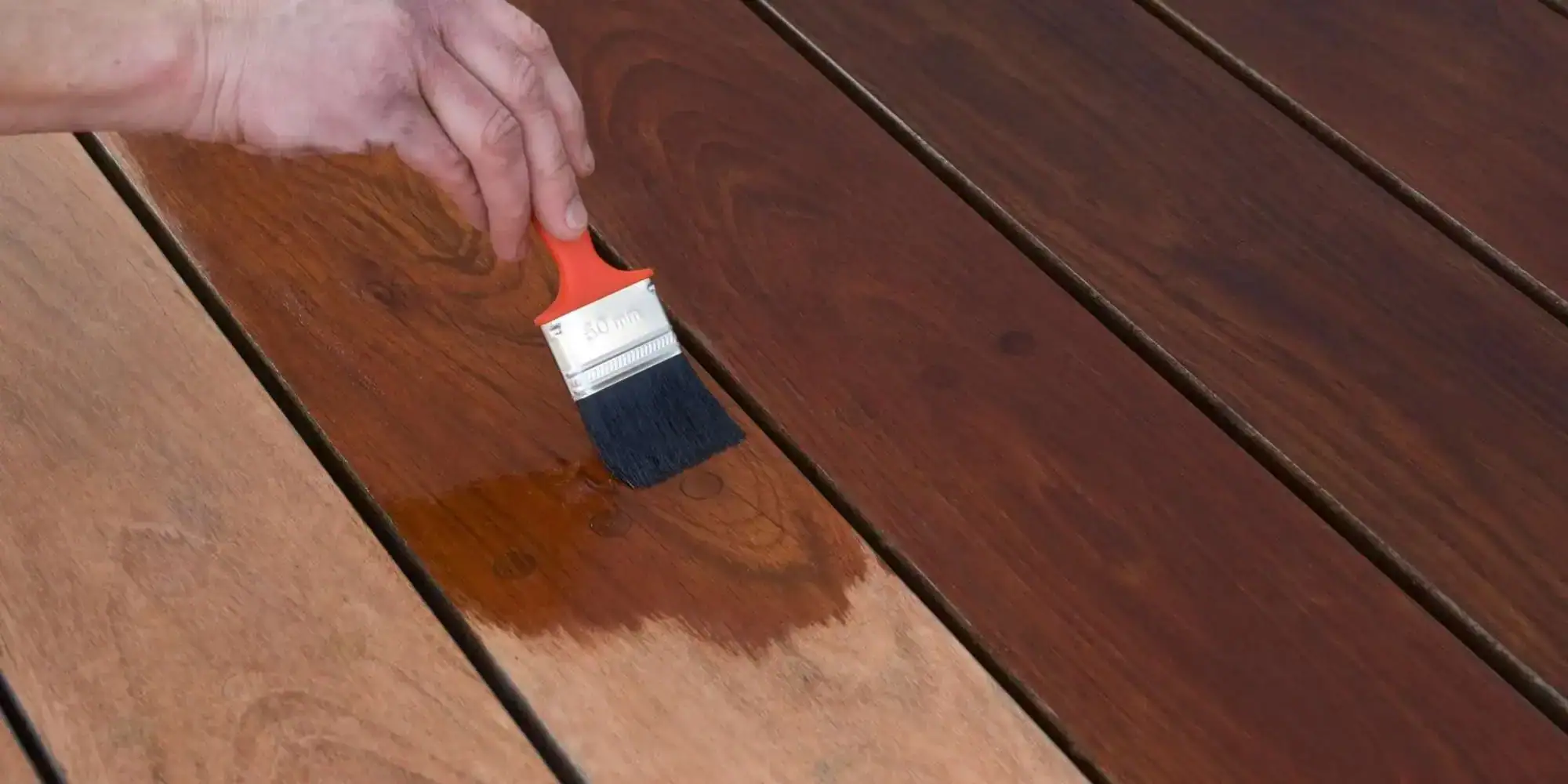
The first thing that happens is an honest assessment of your deck’s current condition. Not every deck needs the same approach — a newer pressure-treated surface has different requirements than aged wood that’s been previously stained or left exposed through multiple Michigan winters. That initial look determines what prep is needed and which stain type makes the most sense for your specific situation.
Prep is where most DIY and budget jobs fall apart. Power washing alone isn’t enough. Depending on the surface, that means cleaning, brightening, allowing proper dry time, and in some cases sanding or stripping failing old product before anything new goes on. In Marine City’s environment — where moisture levels near the river stay elevated even after a dry stretch — dry time isn’t something to rush. Applying stain to wood that hasn’t fully dried is one of the fastest ways to end up with a finish that peels within a season.
Once the surface is ready, stain is applied in the method and number of coats that fit the wood and the product. After the job is done, you get a finished deck that’s clean, even, and properly protected — not just for the summer ahead, but for the seasons that follow. Deck staining in Marine City doesn’t require a permit since it’s a maintenance service, not a structural modification, but any repair work identified during the process will be flagged so you know exactly what you’re working with.

Ready to get started?
Not every deck staining job looks the same, and it shouldn’t. The wood type, the age of the surface, the prior finish, and the specific exposure conditions all factor into which product and approach will actually hold up. For Marine City homeowners — especially those with riverfront properties or historic homes with original wood porches — that selection process matters more than it does on a standard suburban deck.
For decks with quality wood grain worth showing off, a semi-transparent penetrating stain lets the natural character come through while still delivering real moisture protection. For older or more weathered surfaces — the kind common on captain’s-era homes near the historic downtown in Marine City — a solid-color stain can restore a clean, finished appearance and cover the damage that years of exposure have left behind. Solid stains also tend to hold up longer in high-moisture environments, which is worth considering if your deck faces the river directly.
Every deck staining service we provide includes thorough surface prep, appropriate product selection for the specific wood and conditions, full application, and cleanup. There are no hidden add-ons after the estimate is given. The pricing reflects what the job actually requires — deck size, surface condition, and stain type — and that’s communicated upfront before any work begins. For Marine City homeowners making a practical investment in a property they’ve owned for years, that kind of straightforward approach is what makes the difference.

For most decks in Marine City, a semi-transparent penetrating stain will need to be reapplied every two to three years. Solid-color stains tend to last a bit longer — closer to three to five years — but that range shortens depending on how much direct weather exposure your deck gets. A deck facing the St. Clair River is dealing with elevated moisture, wind-driven spray, and freeze-thaw cycling that inland properties don’t experience at the same intensity, and that accelerates wear on the finish.
The honest answer is that the best indicator isn’t a calendar — it’s the wood itself. When water stops beading on the surface and starts soaking in, the stain has broken down and the wood is absorbing moisture unprotected. That’s the point where you want to act, not wait another season. Catching it early means less prep work and a cleaner application. Waiting too long means you’re dealing with grayed, cracked, or splintered boards that require significantly more work before anything new can go on.
Staining and painting both protect wood, but they do it differently and they’re suited for different situations. A stain — particularly a penetrating oil-based stain — soaks into the wood fibers and protects from within, allowing the surface to breathe while resisting moisture. It doesn’t sit on top of the wood, which means it doesn’t peel or chip the way paint does. For most exterior decks, especially those with decent wood quality, stain is the better long-term choice because when it wears, it wears gradually and evenly rather than failing in patches.
Paint forms a film on the surface that looks clean and opaque, but once that film cracks — and Michigan winters will crack it — moisture gets underneath and the peeling process starts. On a deck that sees foot traffic, UV exposure, and seasonal temperature swings, paint maintenance becomes a cycle of scraping and recoating that gets more labor-intensive every time. For Marine City homeowners with older wood or heavily weathered surfaces where the grain is already compromised, a solid-color stain gives you the coverage of paint with better flexibility and adhesion for exterior wood applications.
Yes, and it’s one of the more important factors in getting a stain job that actually holds. Most quality deck stains require surface temperatures between 50 and 90 degrees Fahrenheit during application and for several hours afterward, with low humidity and no rain in the forecast for at least 24 to 48 hours. In Marine City, that window is real but it requires some planning — spring can be damp and variable, and the proximity to the St. Clair River keeps ambient humidity elevated even on days that look dry.
The practical implication is that the best window for deck staining in Marine City runs roughly from late May through early September, with late spring and early fall being the most reliable in terms of temperature. Applying stain in conditions that are too cold, too humid, or too soon before rain is one of the most common reasons a finish fails within a season. A contractor who pays attention to the forecast and understands the local moisture environment isn’t being overly cautious — they’re protecting the quality of the work and the longevity of your investment.
Most professional deck staining projects in Marine City fall somewhere between $800 and $2,500, depending on the size of the deck, the condition of the wood going in, and the type of stain being applied. A smaller deck on a well-maintained surface with a straightforward one-coat application sits at the lower end. A larger deck — or one that needs significant prep work, stripping of old product, or multiple coats — moves toward the higher end of that range.
The condition of the wood is often the biggest variable. A deck that’s been maintained regularly takes less time to prep and less product to cover evenly. A deck that’s been left unprotected through several Michigan winters may need sanding, brightening, and possibly spot repairs before staining can begin, and that prep time is reflected in the cost. The estimate you get from us accounts for the actual scope of the job — not a low number to win the bid followed by add-ons once work starts. What’s quoted is what the job requires.
Yes, and it’s work that genuinely requires more care than a standard new-construction deck job. Marine City has an unusually dense concentration of Victorian-era homes — a legacy of the shipbuilding industry that made this one of the wealthiest communities in the region during the late 1800s. Those homes often feature original wood porches, wraparound decks, and architectural details that have been refinished multiple times over the decades. The surface history matters: what’s been applied before, how many layers, and how well each one was prepped at the time all affect how the current surface responds to new product.
On older wood, proper prep is non-negotiable. That typically means stripping or sanding any failing previous finish down to a stable surface, cleaning and brightening the wood to open the grain, and allowing adequate dry time before anything new goes on. Rushing that process on aged wood produces a finish that looks fine on day one and starts lifting by the following spring. The stain selection also matters — older, more porous wood often accepts penetrating oil-based stains better than film-forming products, and the choice between semi-transparent and solid depends on how much of the original grain is still worth showing. It’s a more involved conversation than a standard deck job, and that’s exactly how it should be treated.
You can do it yourself, and plenty of homeowners do. But the results vary significantly based on how thoroughly the prep work gets done, whether the conditions on application day are actually right, and whether the product selected matches the specific wood and exposure situation. Those aren’t complicated decisions once you’ve done it a few times, but the first time through — especially on an older surface or a deck with prior finish issues — there’s a real learning curve, and the cost of a failed application is another round of prep and product on top of what you already spent.
For Marine City homeowners with riverfront or near-water properties, the stakes on getting it right are a bit higher than average. Wood in that environment absorbs and releases moisture more aggressively than inland wood, which means a stain that wasn’t fully compatible with the surface condition or wasn’t applied in the right weather window will fail faster and more visibly. A professional who understands local conditions, has done the prep work hundreds of times, and knows which products perform in Michigan’s climate isn’t a luxury — it’s the difference between a finish that lasts two to three years and one that’s peeling before the next summer season starts.
