Summary:
Here’s something that catches people off guard: Michigan doesn’t require painters to hold a state license anymore. That changed in 2019. So if you’re waiting for some official certification to tell you who’s legit, you’re going to be waiting a while.
But that doesn’t mean credentials don’t matter. They absolutely do. What you’re looking for now is insurance, verifiable experience, and a track record you can actually check. A professional painter should carry general liability insurance at minimum. If they have employees, they need workers’ compensation too. Why does this matter to you? Because if someone gets hurt on your property or damages your home during the job, you don’t want to be the one footing that bill.
Ask to see proof. Not just a verbal “yeah, we’re insured.” Actual documentation. Any painter worth hiring will have this ready and won’t hesitate to show you.

Experience means nothing if you can’t verify it. That’s where references and portfolios come in. When you’re talking to a potential painter, ask for examples of recent projects similar to yours. If you’re painting a two-story exterior, you want to see that they’ve handled that before, not just touched up a bedroom.
Request at least three references from jobs completed in the last year. Not from five years ago. Recent work tells you how they’re operating now. When you call those references, ask specific questions. Did the painter show up when they said they would? Was the final cost close to the estimate? How did they handle problems that came up? Did they clean up after themselves, or leave you dealing with the mess?
Don’t skip this step because you’re in a hurry or because someone came recommended by a friend. Even well-meaning recommendations can lead you astray if that friend’s project was wildly different from yours. You’re looking for patterns of reliability, not one-off success stories.
Online reviews matter too, but read them carefully. Look for detailed accounts, not just star ratings. Pay attention to how the company responds to negative reviews. Do they get defensive, or do they try to make it right? That tells you a lot about how they’ll treat you if something goes wrong.
And here’s a red flag you can’t ignore: if a painter can’t provide any references or examples of past work, walk away. No portfolio means no proven track record. You’re not running a charity for aspiring painters. You’re protecting one of your biggest investments.
Let’s talk about what happens when things go wrong, because they do. A ladder slips. A painter falls. Paint splatters on something it shouldn’t. Your siding gets damaged during prep work. These aren’t hypothetical scenarios. They happen on job sites every single week.
If your painter doesn’t have insurance, guess who’s legally responsible? You are. That medical bill from the fall? Yours. The damaged property? Also yours. This is why insurance isn’t optional. It’s the baseline requirement for anyone you let work on your home.
General liability insurance covers property damage and accidents that occur during the job. Workers’ compensation covers injuries to the painting crew. Both matter. If a painter tells you insurance is “just a formality” or “not really necessary for a small job,” that’s not someone cutting you a deal. That’s someone cutting corners, and you’ll be the one paying for it later.
Ask to see current certificates of insurance. Not expired ones. Not “I’m working on renewing it.” Current, valid proof. And if you really want to be thorough, call the insurance company listed on the certificate to verify it’s active. Takes five minutes and could save you tens of thousands of dollars.
Some homeowners skip this because they don’t want to seem difficult or because the painter seems nice. Nice doesn’t pay your bills when something goes sideways. Professional does. And professional painters expect you to ask these questions. They respect it, actually, because it shows you’re serious.
One more thing: if a painter asks you to purchase the paint and materials yourself, that’s a major red flag. Legitimate painting contractors have accounts with suppliers and handle materials as part of their service. When they ask you to buy everything, it often means they don’t have the credit or relationships that established businesses have. It’s a sign they’re either brand new, unreliable, or trying to avoid accountability.
Want live answers?
Connect with a Legends Painting expert for fast, friendly support.
An estimate isn’t just a number. It’s a roadmap of what’s going to happen to your home, who’s doing it, and what it costs. If someone gives you a price over the phone without seeing your house, hang up. That’s not an estimate. That’s a guess, and guesses turn into surprise charges later.
A real estimate requires an in-person visit. The painter needs to see the space, measure it, check the condition of the surfaces, and understand what prep work is actually needed. Anyone who skips this step is either lazy or planning to hit you with “unforeseen costs” once the work starts.
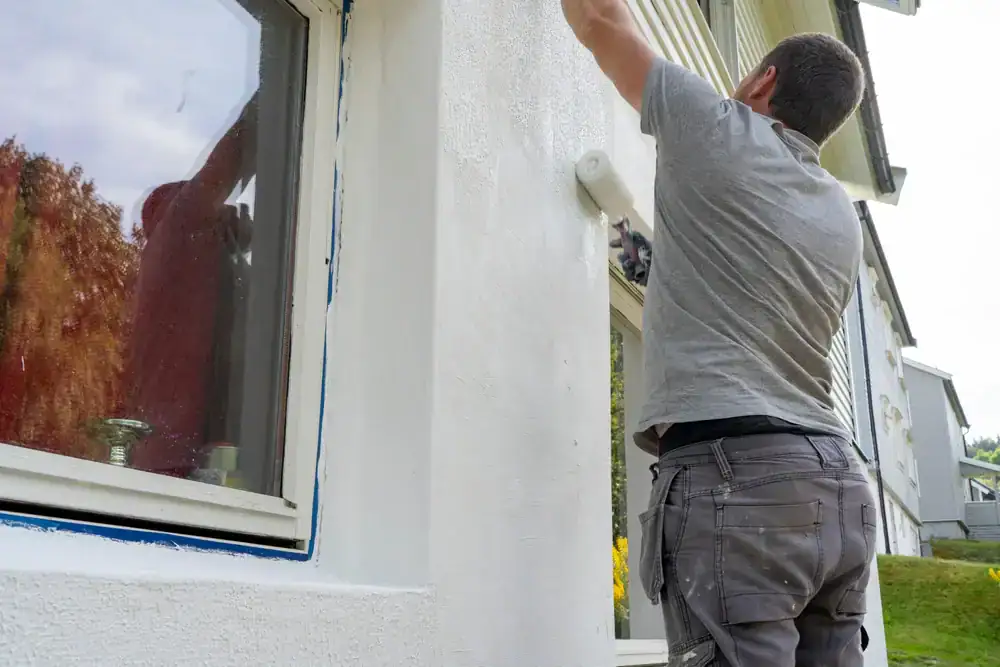
Here’s what a legitimate painting estimate should break down for you: the scope of work, labor costs, materials costs, prep work details, number of coats, timeline, and payment schedule. If any of those are missing, ask for them. If the painter can’t or won’t provide them, find someone else.
The scope of work section tells you exactly what’s getting painted. Which rooms, which surfaces, what’s included, and critically, what’s not included. This is where misunderstandings happen. You think the trim is included. They don’t. Suddenly you’re arguing about an extra $800. Get it in writing up front.
Labor costs should specify how many people are working, how long the job will take, and what the rate is. Materials should list the type and brand of paint, how much is needed, and the cost. Don’t accept “high-quality paint” as a description. What brand? What finish? How many gallons? Vague estimates lead to cheap paint and disappointed homeowners.
Prep work is where a lot of painters either prove their professionalism or reveal they’re cutting corners. Good prep makes or breaks a paint job. It should include cleaning, sanding, filling holes and cracks, priming, and protecting your floors and furniture. If the estimate doesn’t mention prep work in detail, ask about it directly. If they brush it off or say “we’ll do whatever’s needed,” that’s not reassuring. That’s avoidance.
The number of coats matters too. One coat of cheap paint is not the same as two coats of quality paint, even if the price looks similar. Make sure the estimate specifies how many coats you’re getting and whether primer is included as a separate step.
Timeline and payment schedule should be crystal clear. When does the work start? When should it be finished? How much do you pay upfront, and when are the remaining payments due? Be very cautious of anyone asking for a large upfront payment. Ten to fifteen percent is standard for a deposit. If someone wants half or more before they start, that’s a warning sign. You lose leverage once they have your money.
You should get at least three estimates. Not to play painters against each other, but to understand what a fair price actually looks like in your area. When you compare them, don’t just look at the bottom line. Look at what you’re getting for that number.
One painter might be cheaper because they’re using lower-grade paint. Another might be higher because they include more thorough prep work. A third might be right in the middle but plans to rush the job in half the time. These differences matter more than the price tag.
If one estimate is significantly lower than the others, don’t celebrate yet. Ask why. Sometimes it’s because they’re new and trying to build a client base. More often, it’s because they’re cutting corners you won’t notice until the paint starts failing six months later. Cheap bids usually mean cheap work, cheap materials, or both.
On the flip side, the most expensive estimate isn’t automatically the best either. Some companies charge premium prices because they’ve built a strong reputation. Others charge premium prices because they can, not because they’re better. This is where references and reviews become critical. What are you actually paying extra for?
Look for estimates that are detailed, realistic, and transparent. If something doesn’t make sense, ask about it. A good painter will explain their pricing without getting defensive. A bad one will dodge the question or make you feel like you’re being difficult for asking.
And here’s something most people don’t think about: communication during the estimate process is a preview of communication during the job. If a painter takes four days to return your call about an estimate, expect the same responsiveness when you have questions mid-project. If they show up late to the walkthrough without calling, they’ll probably show up late to work too. Pay attention to these signals.
Red flags to watch for: estimates that don’t include a detailed breakdown, pressure to sign immediately, claims that the price is “only good today,” reluctance to provide references, or any variation of “trust me, I’ve been doing this forever.” Trust is earned through transparency, not demanded through vague assurances.
Choosing a painter comes down to three things: credentials you can verify, communication you can rely on, and a detailed estimate that protects both of you. It’s not about finding the cheapest option or the fanciest website. It’s about finding someone who shows up, does what they said they’d do, and delivers results that last.
Take your time with this decision. A few extra days of research can save you months of regret. Check insurance, call references, compare detailed estimates, and trust your gut when something feels off. The right painter will make this process straightforward, not stressful.
When you’re ready to move forward with a painting project in Richmond, MI that’s backed by experience, transparency, and a commitment to quality, we’re here to help. At Legends Painting LLC, we bring over 10 years of painting expertise and a straightforward approach focused on customer satisfaction and competitive pricing.
Article details:
Continue learning: