Summary:
Michigan eliminated painter licensing requirements in 2019. That means anyone with a brush and a truck can call themselves a professional painting contractor. No testing. No proof of expertise. No state oversight.
Real professional painters separate themselves through what they can prove. Comprehensive insurance—both general liability and workers’ compensation—protects you from financial disaster if someone gets hurt on your property. Written contracts detail every phase, from surface preparation through final cleanup, so there’s no confusion about what you’re paying for. And we build our business on customers who call us back, not one-time jobs we’ll never see again.
The word “professional” should mean something beyond just showing up with paint. In 2026, with no licensing requirements protecting you, that distinction matters more than it ever has.

Here’s what most painting failures have in common: someone rushed the prep work. Professional painters spend 40-60% of total project time preparing surfaces because we understand something critical—paint only sticks as well as you let it.
Expert surface preparation starts before anyone touches sandpaper. Experienced painters inspect the substrate material, check for moisture problems, identify existing coating issues, and evaluate environmental factors. We’re looking for the problems that cause paint to fail: peeling layers, glossy finishes that block adhesion, hidden moisture, grease buildup. This inspection determines everything that follows.
Cleaning comes next, and it’s more involved than wiping with a damp cloth. Exterior surfaces need pressure washing to remove mildew, chalking, and weathered material. Interior walls require degreasing, especially in kitchens where cooking residue builds up. The surface must be bone dry before moving forward—painting over moisture guarantees failure.
Then comes repair work. Cracks get filled properly, not just smeared over. Damaged wood gets replaced. Loose siding is reattached. Caulking seals gaps where water could infiltrate behind your paint. These repairs prevent bigger problems down the road, not just cosmetic issues today.
Sanding creates the right surface texture for paint to grab onto. Glossy existing paint needs dulling. Rough patches require smoothing. Repaired areas must blend seamlessly. Professional painters match their approach to the surface condition and the finish you’re trying to achieve.
Priming finishes the preparation sequence. Quality primers seal porous surfaces, block stains from bleeding through, improve adhesion, and reduce how many finish coats you’ll need. But different surfaces need different primers—bare wood, previously painted drywall, and metal all require specific products. Professional painters don’t just grab whatever primer is on sale.
This preparation sequence isn’t where contractors should cut costs to lower their bid. It’s the foundation that determines whether you’re repainting in three years or ten. Skip these steps, and you’ll pay for it later.
Paint technology has evolved, but not every painting contractor keeps up. In 2026, professional painters select materials based on your specific project needs, not just whatever’s cheapest at the supply house.
Low-VOC and zero-VOC paints have become standard for interior work, and for good reason. These formulations eliminate the harsh chemical odors and health concerns of traditional paints. You don’t need to vacate your home for days while fumes dissipate. But professional painters understand these products cure differently and require proper application techniques.
For Michigan’s climate, paint selection becomes make-or-break. Your exterior coating needs to survive freeze-thaw cycles that crack inferior products. UV resistance prevents fading from sun exposure. Moisture barriers stop peeling when humidity fluctuates. We choose acrylic or elastomeric coatings engineered to flex with temperature swings—because rigid paints crack during our winters.
Application equipment matters more than most homeowners realize. High-volume, low-pressure sprayers provide precision with less overspray. Airless sprayers create smooth finishes on large exterior surfaces. But professional painters know when old-school methods work better—brushes for crisp edges, rollers for consistent wall texture, sprayers for siding. The tool matches the surface and the result you want.
Fast-drying formulations can reduce project timelines without compromising quality. Some paints cure in hours instead of days. But here’s the catch: professional painters don’t sacrifice proper drying time just to finish faster. Rushing between coats compromises adhesion and creates problems that show up months later.
Material quality shows up in longevity, not just initial appearance. Professional-grade paints pack higher concentrations of pigments and resins. They resist fading. They clean without losing color. They maintain their look through years of daily wear. The difference between contractor-grade and premium paint becomes obvious around year three—when cheap paint is failing and quality paint still looks fresh.
Want live answers?
Connect with a Legends Painting expert for fast, friendly support.
The Painting & Decorating Contractors of America defines a properly painted surface as “uniform in appearance, color, texture, hiding, and sheen.” Sounds simple. Achieving it requires expertise most people never see.
Uniformity means your wall looks like one continuous surface. No brush marks showing through. No roller texture variations. No color shifts where one section meets another. No spots where the old surface peeks through. Professional quality finishes appear seamless, not like a patchwork of different applications.
Inspection standards matter too. Professional work gets evaluated from normal viewing positions—standing at eye level, about 39 inches from the wall, under regular lighting. Not with work lights at close range hunting for microscopic flaws. The standard recognizes that real-world surfaces have inherent variations, but requires finished work to meet reasonable quality expectations.
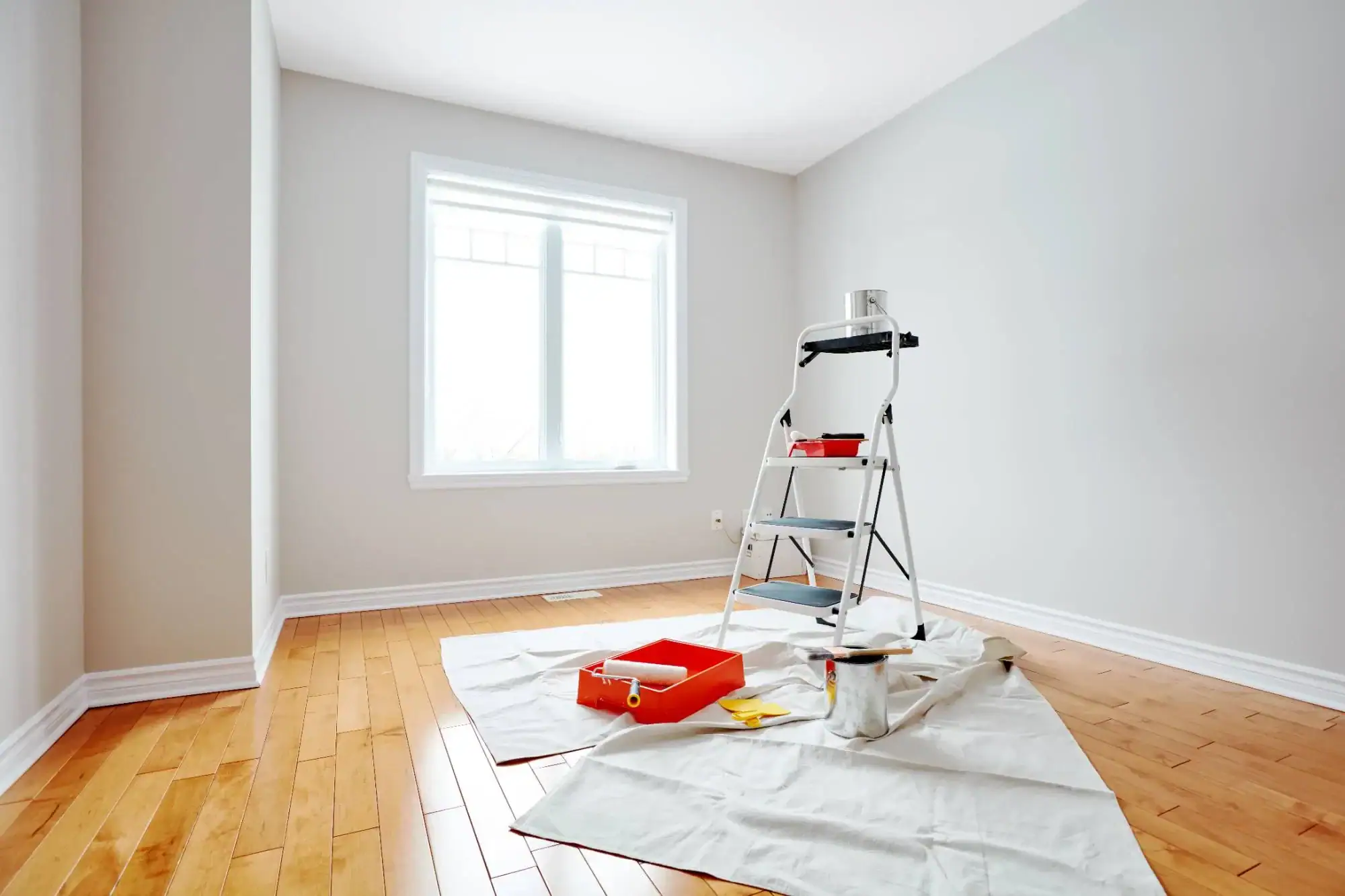
Consistency comes from systems, not just talent. Professional painting companies train their crews on standardized procedures that deliver predictable results across different projects and team members.
Application technique matters as much as preparation. Professional painters understand how temperature and humidity affect paint flow. We know exactly how much paint to load on brushes and rollers. We maintain wet edges to prevent lap marks. We apply even pressure for consistent texture. These details separate work that looks professional from work that looks DIY.
Multiple coats are standard, not optional. Your first coat provides base coverage and reveals remaining surface imperfections. Professional painters address these issues before applying subsequent coats. The final coat delivers the color, sheen, and uniformity you’re paying for. Contractors who skip coats to save time compromise both appearance and durability.
Cutting-in technique—creating clean lines where walls meet trim or where colors join—separates professionals from amateurs. Elite painters cut precise edges without tape in many situations, using quality angled brushes and controlled technique. When tape is necessary, we apply it carefully and remove it at exactly the right stage to prevent paint pulling or ragged edges.
Quality control happens throughout your project, not just during final walkthrough. Professional painters inspect their work at each stage. We catch and correct issues immediately. This ongoing quality assurance prevents the rework that eats into timelines and budgets.
Lighting affects how your paint appears, and professional painters account for this during application. We work with adequate lighting that reveals imperfections as they happen. We consider how natural light from your windows will hit finished surfaces. We think about how your artificial lighting will affect color perception. This attention prevents surprises when you see the finished work.
Cleanup is part of professional standards, not an afterthought. Drop cloths protect your floors and furniture throughout the project. Masking protects fixtures and surfaces that shouldn’t be painted. Daily cleanup prevents drips from hardening into permanent marks. Final cleanup leaves your space cleaner than before the project started.
Michigan’s weather creates challenges that professional painters must address or watch their work fail. Freeze-thaw cycles, humidity swings, UV exposure, and temperature extremes all attack paint performance. House painting professionals who don’t account for these conditions deliver work that peels within 2-3 years.
Exterior painting in Michigan requires weather-appropriate timing. Professional painters won’t work when temperatures drop below 50°F unless we’re using specialty low-temperature formulations. We avoid painting right after rain or when storms are forecast. We monitor humidity because excessive moisture prevents proper curing. We schedule projects during favorable weather windows and communicate honestly about delays—because rushing work in bad conditions guarantees problems.
Paint selection for Michigan exteriors focuses on flexibility and moisture resistance. Your coating must expand and contract with temperature changes without cracking. It needs moisture barriers that prevent water infiltration while allowing vapor transmission. UV inhibitors prevent color fading from sun exposure. We recommend products specifically formulated for harsh winters and humid summers.
Interior painting faces different but equally important considerations. Michigan homes experience dramatic humidity variations between seasons. Winter heating creates bone-dry conditions. Summer brings humidity that affects how paint cures. Professional painters select interior paints that handle these fluctuations without losing adhesion or developing mildew.
Older homes in Macomb and Oakland Counties—many built between the 1940s and 1970s—require special attention. These properties often contain lead-based paint that requires certified handling. They may have plaster walls instead of drywall, demanding different preparation techniques. They frequently need significant repair work before painting can begin. Professional painters with local experience understand these challenges and price projects accordingly.
Realistic timelines account for project complexity and weather factors. Exterior painting typically takes 4-7 days for average homes, depending on size, condition, and required prep work. Interior projects range from 1-2 days per room to several days for whole-house painting. Professional painters provide honest time estimates and communicate promptly about changes. We don’t overpromise completion dates just to win your contract.
Written contracts protect both you and your painting contractor. Professional painters provide detailed agreements specifying scope of work, materials to be used, preparation methods, number of coats, timeline, payment schedule, and warranty terms. Everything you discussed verbally goes into the written contract. This documentation prevents misunderstandings and provides recourse if disputes arise.
Warranties demonstrate confidence in workmanship. Professional painters stand behind their work with guarantees covering defects, adhesion problems, and premature failure. Warranty terms should be clearly stated in writing—duration, what’s covered, what’s excluded. These guarantees provide protection that DIY projects and unlicensed contractors simply can’t offer.
The gap between an elite painter and an average contractor comes down to preparation, materials, technique, and accountability. Professional painters invest in proper surface prep, select climate-appropriate materials, follow proven application methods, and stand behind their work with written warranties.
In Michigan’s challenging climate, these standards aren’t optional—they’re necessary. Paint jobs that skip proper preparation or use inferior materials fail within 2-3 years, forcing you to pay for premature repainting that costs more than doing it right initially. Professional work lasts 7-10 years or longer, protecting your investment and maintaining your property’s appearance through harsh winters and humid summers.
When you’re evaluating painting contractors, look beyond price to process. Ask about surface preparation methods. Request current proof of insurance. Get detailed written estimates. Check references from recent projects. Verify they understand Michigan’s specific challenges. The contractors who welcome these questions are the ones confident in their standards.
At Legends Painting LLC, we bring over 10 years of painting expertise to Macomb County, MI and Oakland County, MI projects. Our approach prioritizes proper preparation, climate-appropriate materials, and customer satisfaction that leads to repeat business—because getting it right the first time matters more than getting it done fast.
Article details:
Continue learning: