Summary:
The paint industry has spoken, and 2026 is the year of nature-inspired hues. We’re talking greens that remind you of eucalyptus leaves, browns that feel like warm clay, and neutrals with actual personality. Gone are the days of choosing between boring beige and sterile white.
Major paint brands are leaning into colors that connect us back to the natural world. Think smoky jades, soft sage, warm khaki, and rich tobacco browns. These aren’t loud, look-at-me shades. They’re the kind of colors that make a room feel calm but interesting, modern but timeless. Professional interior painting helps bring these grounded, sophisticated color palettes to life in a way that feels cohesive throughout the home.
What makes these trends different is that they’re built to last. Homeowners aren’t chasing the next viral color anymore. They want shades that’ll still look good in five years, colors that work with their furniture instead of fighting it, and palettes that don’t scream “I painted this in 2026.”
Green has officially taken over as the most popular direction for interior painting in 2026, and it’s not hard to see why. Multiple major paint companies chose green as their Color of the Year, which tells you everything you need to know about where design is headed.
But we’re not talking about the bright, primary greens you remember from elementary school. These are muted, sophisticated shades. Sage green brings a calming presence to bedrooms and living rooms. Olive adds warmth without feeling too earthy. Eucalyptus sits somewhere between green and gray, giving you color without committing to anything too bold. Dusty mint works beautifully in spaces that get good natural light.
What’s great about these greens is their versatility. They pair well with warm wood tones, which is perfect if you’ve got oak floors or walnut furniture. They look stunning next to brass or gold fixtures. And they create a backdrop that makes artwork pop without competing for attention. In Michigan homes specifically, these greens feel especially fitting since they echo the landscapes we see outside our windows.
The key is choosing the right shade for your space. North-facing rooms tend to make greens look cooler, so you might want to lean toward warmer olive tones. South-facing rooms with lots of sunlight can handle the cooler sages and eucalyptus shades without feeling cold. And if you’re nervous about committing to green walls, start with an accent wall or paint your trim and doors instead. It’s a smaller investment that still gives you the updated look.
One thing to keep in mind: lighting changes everything. That beautiful sage you saw on Pinterest might look completely different in your dining room. Morning light, afternoon sun, and evening lamps all affect how color reads, and you want to love it in every scenario.
If green isn’t your thing, you’re in luck. Warm neutrals and rich browns are having a major moment, and they’re nothing like the beige that dominated the early 2000s. These are deeper, more complex shades with actual character.
Think about colors like universal khaki, soft taupe, warm putty, and tobacco brown. These neutrals have moved away from the cool, gray-based tones that felt sterile and toward warmer, earth-inspired hues that make spaces feel inviting. They’re the kind of colors that work in almost any room and pair with virtually any decor style.
Benjamin Moore’s 2026 Color of the Year is Silhouette, a rich espresso brown with charcoal undertones. It’s dramatic without being overwhelming, sophisticated without feeling formal. Sherwin-Williams went with Universal Khaki, a sandy neutral that feels organic and grounded. Both choices signal a shift toward colors that feel lived-in and comfortable rather than showroom-perfect.
What makes these browns and neutrals so appealing is their staying power. They’re not trend-dependent. A well-chosen warm neutral will look just as good in 2030 as it does today. They also provide the perfect backdrop for layering textures and pops of color through furniture, rugs, and artwork. Your walls become the foundation instead of the focal point.
In practice, these colors work beautifully in living rooms, bedrooms, and dining spaces. They add depth without making rooms feel smaller. They hide minor wall imperfections better than stark white. And they create a cozy, enveloping atmosphere that cooler tones just can’t match. If you’ve got a room that feels too cold or impersonal, switching to a warm neutral can completely change the energy.
The finish you choose matters here too. Matte and eggshell finishes work best for these earthy tones in main living spaces because they soften the color and hide surface flaws. Satin works well in higher-traffic areas like hallways where you need something more durable and easier to clean. And if you’re painting trim or doors in these shades, a satin or semi-gloss finish adds just enough sheen to make architectural details stand out.
Want live answers?
Connect with a Legends Painting expert for fast, friendly support.
Color gets all the attention, but finish is what determines how your paint actually performs. Pick the wrong sheen and you’ll either be scrubbing marks off your walls constantly or staring at every imperfection the light reveals.
The three most common interior finishes are matte (or flat), eggshell, and satin. Matte gives you that smooth, velvety look with zero shine. It’s excellent for hiding wall imperfections and creating a soft, sophisticated atmosphere. Eggshell sits right in the middle with a subtle luster that’s durable enough for everyday life. Satin has a noticeable sheen that reflects light and cleans up easily, making it ideal for kitchens, bathrooms, and high-traffic hallways.
Your room’s function should drive your finish choice. Bedrooms and living rooms typically look best in matte or eggshell because you want that calm, non-reflective surface. Kitchens and bathrooms need satin or semi-gloss because moisture and splatters are part of daily life. Hallways take a beating from foot traffic, so satin holds up better than matte.
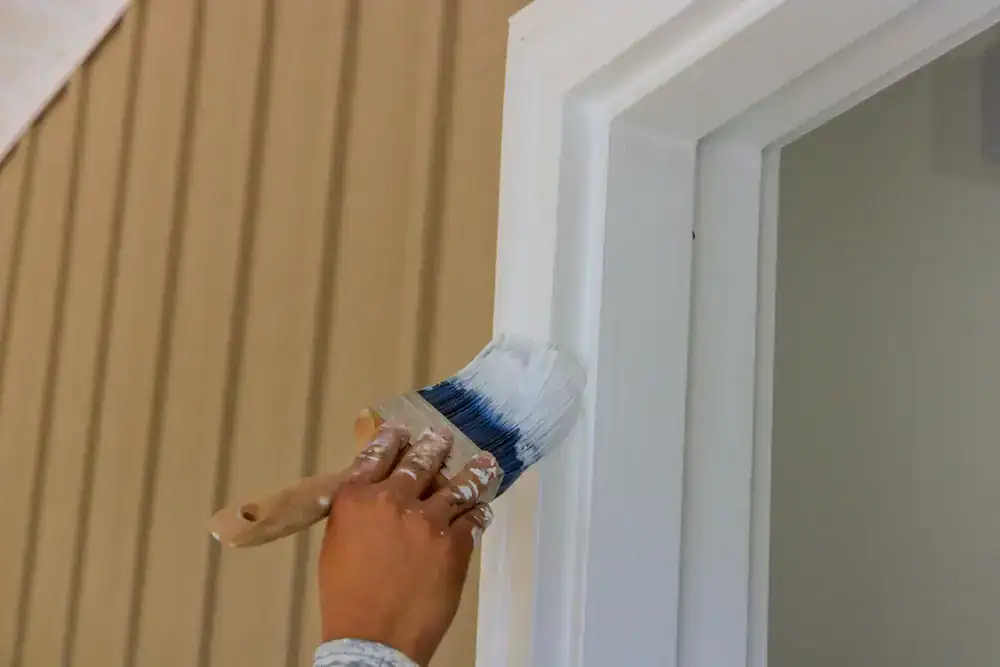
Eggshell has become the go-to finish for interior walls in 2026, and there’s good reason for that. It strikes the perfect balance between beauty and practicality, giving you just enough sheen to make colors look richer without highlighting every tiny flaw in your drywall.
The subtle luster of eggshell adds depth to paint colors. That sage green or warm taupe you chose will look more dimensional and interesting in eggshell than it would in flat paint. The slight reflection catches light throughout the day, so your walls shift subtly as natural light changes. It’s a small detail, but it makes spaces feel more dynamic and alive.
Durability is where eggshell really shines compared to flat paint. You can gently scrub marks and scuffs without removing the paint or leaving shiny spots behind. This matters in real homes where kids touch walls, furniture bumps against corners, and life happens. Flat paint shows every fingerprint and can’t be cleaned without damaging the finish. Eggshell handles normal wear without looking beat up after a year.
In Michigan homes specifically, eggshell works well because it handles the humidity changes we experience between seasons. Our summers can get humid, and our winters are dry from heating systems running constantly. Eggshell finish is durable enough to withstand these fluctuations without peeling or showing premature wear.
The application process matters with eggshell. Because it has some sheen, any imperfections in your surface prep will show through more than they would with flat paint. That means walls need to be properly cleaned, patched, and sanded before painting. Skipping these steps leads to an uneven finish where repairs and rough spots catch the light. We spend about 60 percent of our time on prep work for exactly this reason—it’s what separates a paint job that lasts from one that looks amateur.
When you’re choosing eggshell, consider how much natural light your room gets. South-facing rooms with lots of sunlight will show more of the sheen, while north-facing rooms might make eggshell look closer to flat. Test your color in eggshell finish on the actual wall and observe it throughout the day before committing to gallons of paint.
Every room in your home has different needs, and your paint finish should reflect that. What works beautifully in a bedroom will fail miserably in a bathroom, and vice versa. Understanding these differences saves you from repainting sooner than you’d like.
Bedrooms do best with matte or eggshell finishes. These rooms don’t see heavy traffic or moisture, so you can prioritize aesthetics over durability. Matte creates that soft, cocooning atmosphere that makes bedrooms feel restful. Eggshell works if you want a bit more durability without sacrificing the calm vibe. The key is avoiding anything too shiny—you don’t want your bedroom walls reflecting light when you’re trying to sleep.
Living rooms and dining rooms typically look best in eggshell. These spaces get moderate traffic and occasional bumps from furniture, so you need something cleanable. Eggshell provides enough durability while keeping the sophisticated, non-reflective look that makes these gathering spaces feel welcoming. If you’ve got kids or pets, eggshell is your friend because it wipes clean without showing every mark.
Kitchens and bathrooms require satin or semi-gloss finishes. These rooms deal with moisture, grease, food splatters, and steam on a regular basis. Satin’s higher sheen means water beads up instead of soaking in, and you can scrub surfaces without damaging the paint. In Michigan, where humidity swings between seasons, this moisture resistance helps prevent mildew growth and paint failure. Semi-gloss works especially well on trim and cabinets in these spaces because it’s even more durable and easier to keep clean.
Hallways take more abuse than most people realize. Between foot traffic, hands touching walls, and furniture being moved through, hallways need a durable finish. Satin is your best choice here. It cleans easily, resists scuffs, and the slight sheen helps reflect light in spaces that often don’t have windows. Some homeowners go with eggshell in hallways, but you’ll be repainting sooner if you’ve got an active household.
Ceilings are often overlooked, but the finish matters there too. Flat paint is standard for ceilings because it hides imperfections and doesn’t reflect light in distracting ways. The exception is bathrooms, where you might want eggshell or satin on the ceiling to resist moisture and prevent mildew. Most ceiling paint is formulated differently than wall paint, so make sure you’re using the right product for the surface.
Trim, doors, and molding benefit from satin or semi-gloss finishes. These architectural details should stand out slightly from your walls, and a higher sheen accomplishes that while providing excellent durability. Doors especially need semi-gloss because they’re touched constantly and need to withstand cleaning. The contrast between eggshell walls and semi-gloss trim creates visual interest and makes your space feel more finished and intentional.
The interior painting trends shaping 2026 aren’t about chasing what’s popular for the sake of it. They’re about choosing colors and finishes that make your home feel better to live in. Nature-inspired greens, warm neutrals, and rich browns all share one thing in common: they create spaces that feel grounded, personal, and built to last beyond this year’s trends.
The finish you choose matters just as much as the color. Eggshell for main living areas, satin for high-traffic and moisture-prone spaces, and the right prep work to make it all hold up through Michigan’s seasonal changes. These aren’t complicated decisions, but they make the difference between a paint job that looks good for a year and one that still looks fresh five years from now.
If you’re ready to update your interior with colors that actually work for how you live, we bring over a decade of painting experience to Richmond, MI homes. At Legends Painting LLC, we focus on quality work and competitive pricing, with the goal of making every project something you’re proud to show off.
Article details:
Continue learning: