
Hear from Our Customers
Royal Oak kitchens get used hard. Between the daily cooking, the entertaining, and the fact that most homes here were built somewhere between the 1940s and 1960s, a lot of cabinets in this city are carrying decades of wear. They’re not falling apart — the wood is solid, the frames are square — but the finish tells a different story. Dated color, worn edges, surfaces that no amount of cleaning makes look right. That’s not a replacement problem. That’s a painting problem.
When cabinet painting is done correctly, the result isn’t “painted cabinets.” It’s a kitchen that looks like it was just renovated. Smooth, clean, consistent finish across every door and drawer front. A color you actually chose, not one that came with the house in 1952. And because Royal Oak’s housing stock runs heavily toward bungalows, Arts and Crafts homes, and mid-century colonials — homes with original wood cabinetry that’s genuinely worth keeping — painting is often the smarter call over replacement. You’re not covering up quality. You’re restoring it.
The other thing worth saying plainly: a properly done cabinet paint job in a Royal Oak home lasts. Southeast Michigan’s humidity swings, cold winters, and heated interiors stress finishes over time. The right prep process — degreasing, sanding, bonding primer, cabinet-grade finish — is what separates a job that holds up for a decade from one that starts peeling in two years. That difference lives entirely in the prep, and it’s where most shortcuts happen.
We’re a family-owned painting company serving Royal Oak and Oakland County. It’s a two-brother operation built on over ten years of hands-on painting experience — the kind that comes from working in actual Royal Oak homes and the surrounding area, not managing a crew from a distance. When you call Legends Construction, you’re talking to the people doing the work.
Royal Oak is a city that knows the difference between a contractor who shows up and one who follows through. From the tree-lined streets near downtown to the larger homes along Vinsetta Boulevard, the kitchens here vary — but the expectations don’t. Homeowners in this city are design-aware, they’ve hired contractors before, and they can tell when prep work was skipped. That’s the environment we work in, and it’s the standard every project is held to.
A 4.9-star rating on HomeAdvisor and Angi reflects what happens when that standard is consistent. Not perfect marketing — just a track record of showing up, doing the work right, and leaving the space cleaner than we found it.
It starts with a free estimate. We walk through your kitchen, look at the cabinet style, the current finish, the condition of the wood, and what you’re going for. Royal Oak’s older homes — especially the bungalows and colonials built before 1960 — often have original wood cabinetry that needs more prep attention than newer stock. We factor that in before anything is quoted.
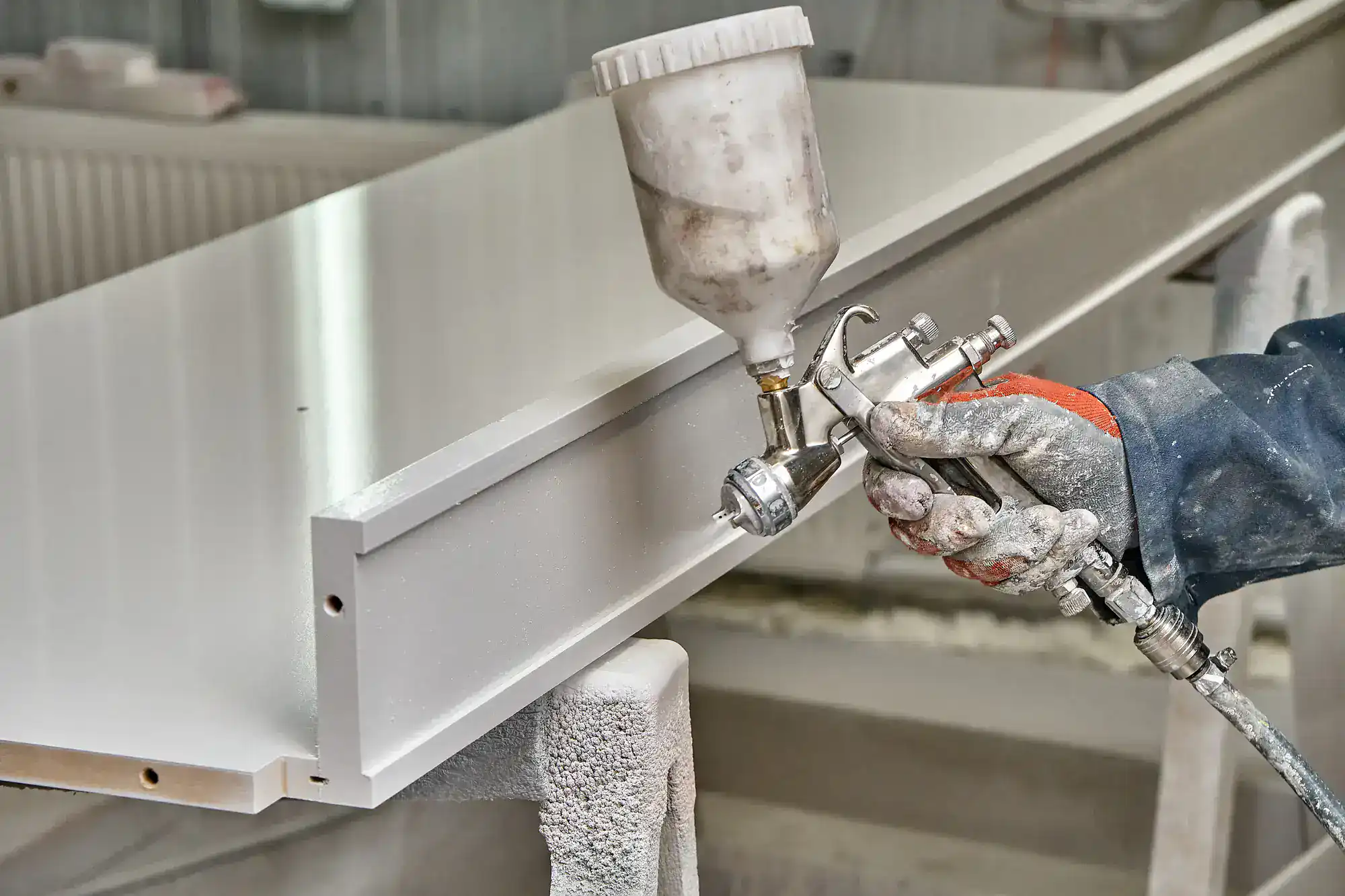
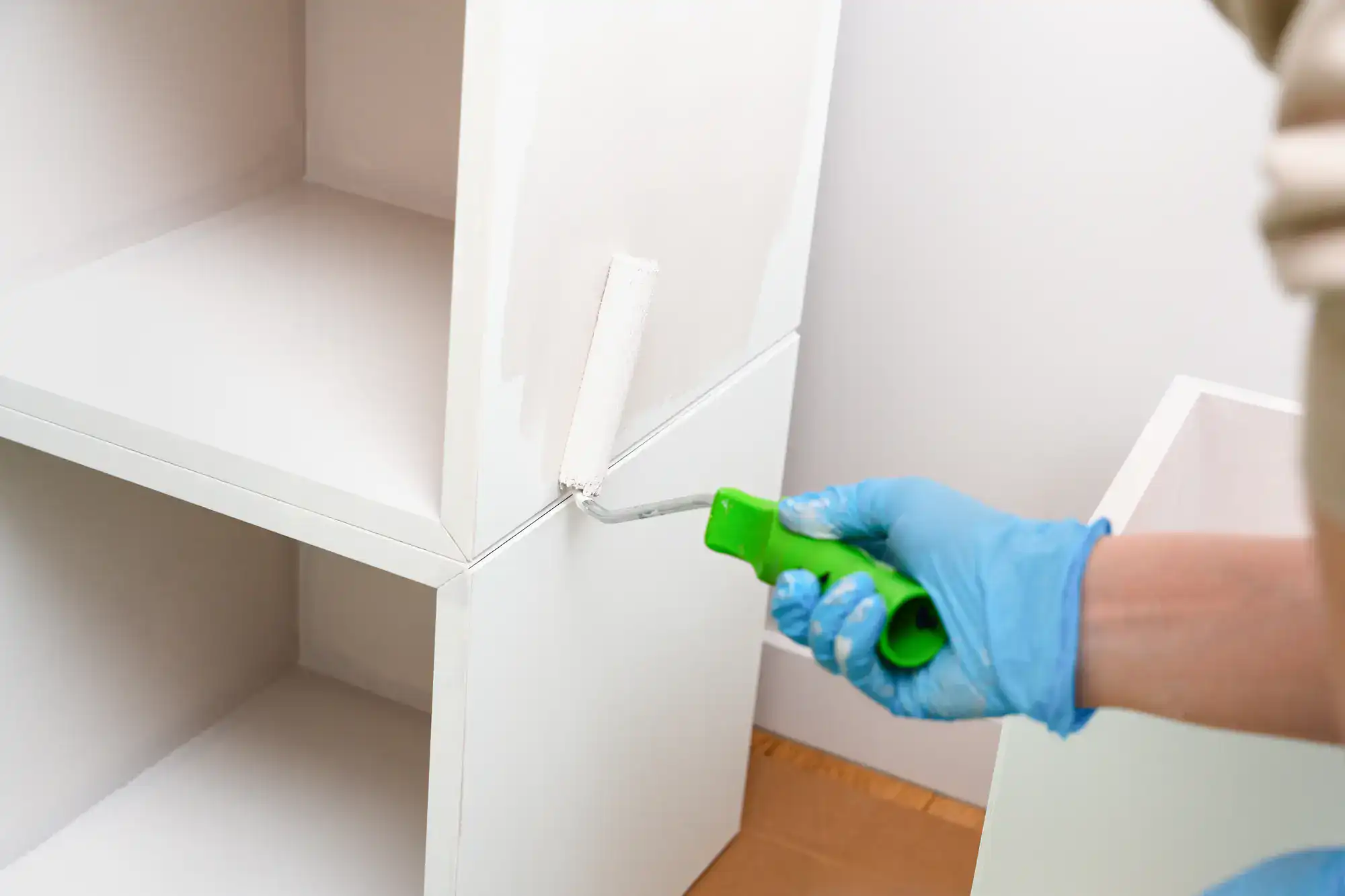
Once the project starts, every door and piece of hardware comes off. Cabinets stay in place, so your kitchen stays functional throughout most of the process. Surfaces are chemically degreased — kitchen grease is the single biggest reason painted cabinets fail early, and it has to be fully removed before anything else happens. From there, surfaces are sanded for mechanical adhesion, a bonding primer goes on, and then the finish coats are applied using cabinet-grade paint specifically formulated for kitchen environments. This isn’t wall paint. It’s a harder, more durable finish that handles heat, moisture, and daily contact the way a kitchen surface actually needs to.
Curing time matters, especially in Michigan winters when indoor heating drops humidity and affects how finishes set. We account for that. When the job wraps, doors and hardware go back on, everything gets inspected, and you do a walkthrough before we call it done. The whole process typically runs five to ten days depending on the size of the kitchen.
Ready to get started?
Cabinet painting in Royal Oak covers more than just the finish coats. The full scope includes hardware removal, thorough degreasing, sanding, bonding primer, cabinet-grade finish in your chosen color, proper cure time, full reassembly, and a final walkthrough. Every step is part of what makes the result last — skipping any one of them is how you end up with a paint job that looks fine for six months and starts failing by year two.
For Royal Oak homes built before 1978 — and there are a lot of them — lead paint handling practices apply under Michigan’s Lead Abatement Act and the EPA’s RRP Rule. It’s worth knowing that going in. A contractor who doesn’t bring it up probably hasn’t thought about it. We have.
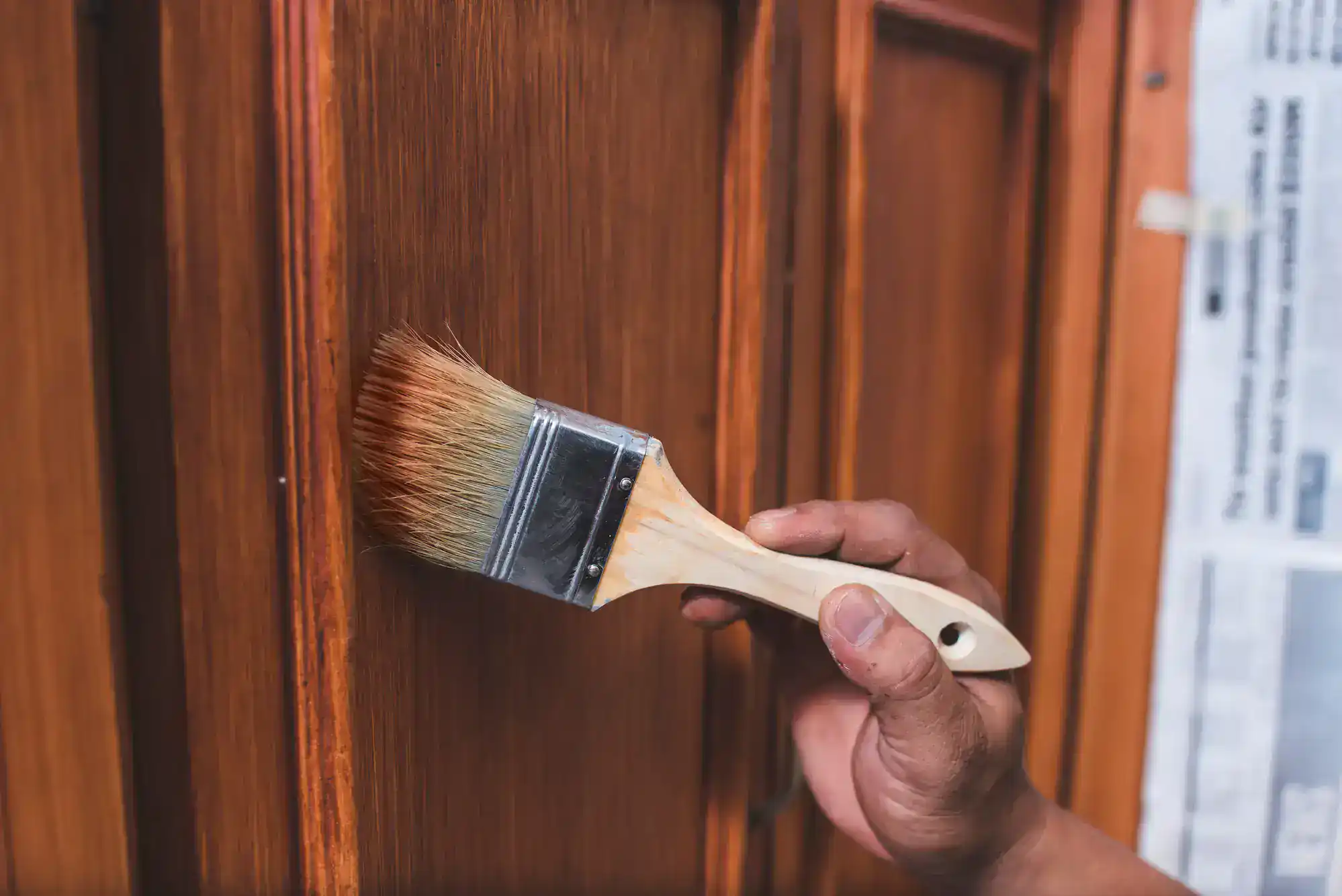
The finish we use on every project is a cabinet-grade product chosen for durability in high-use kitchen environments. It cures harder than standard interior paint, resists the oils and moisture that kitchen surfaces deal with daily, and holds up through Michigan’s seasonal humidity cycles. Color consultations are included — if you know what you want, great. If you’re still deciding between warm white, dark green, or charcoal, that’s a conversation worth having before the primer goes on. Royal Oak kitchens in older homes often have strong natural light from larger windows, which affects how colors read on finished cabinets, and that’s the kind of detail that matters when you’re making a decision you’ll live with for the next decade.
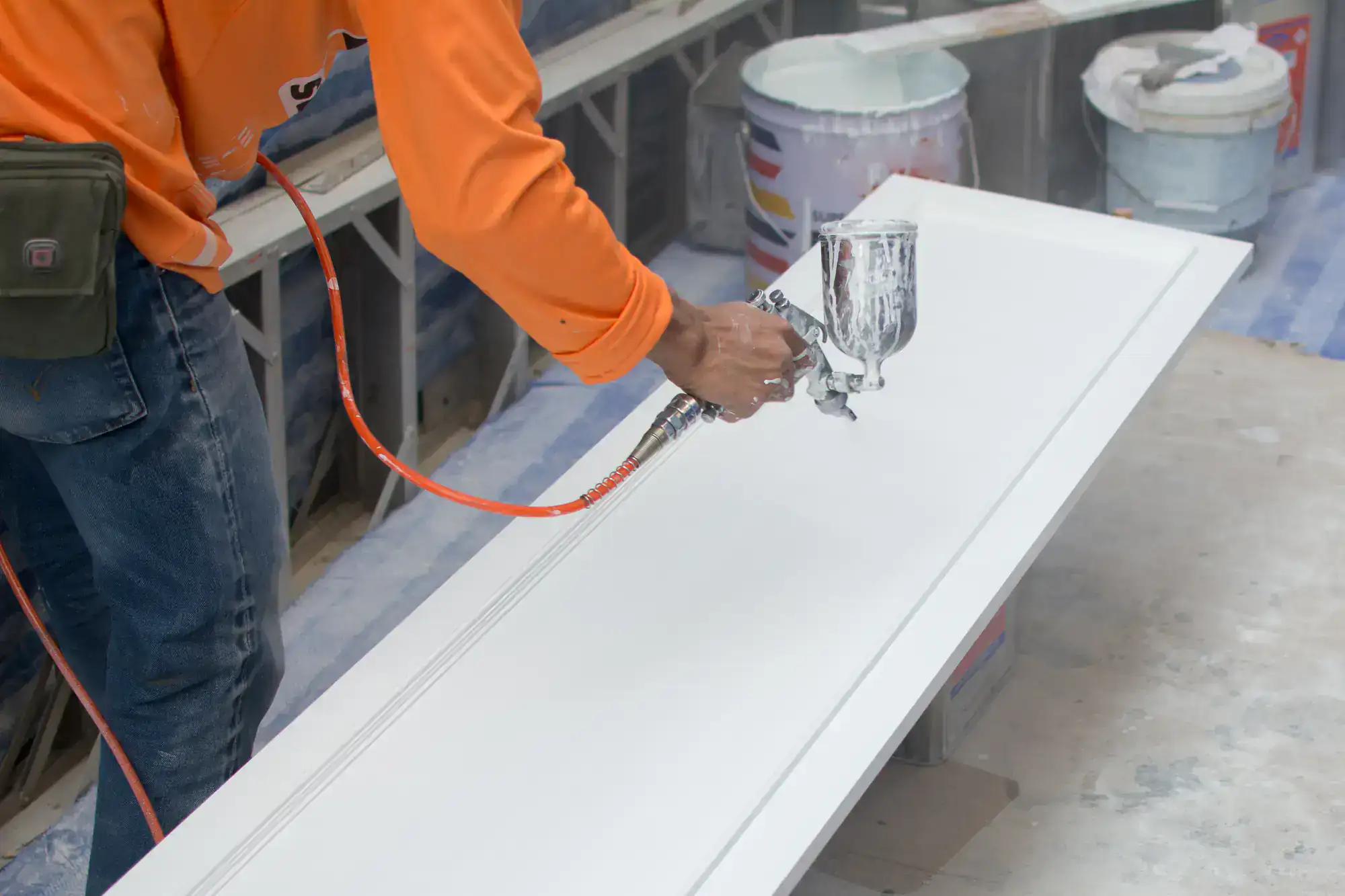
For most Royal Oak kitchens, professional cabinet painting runs somewhere between $2,000 and $6,500. Larger kitchens — or projects with more cabinet doors, glass inserts, or detailed millwork common in older Arts and Crafts and Colonial Revival homes — tend to land in the upper half of that range. The final number depends on the size of the kitchen, the current condition of the surfaces, and the finish type selected.
What’s worth putting in context: full cabinet replacement in a Royal Oak home typically costs $15,000 to $30,000 or more. Cabinet painting delivers a result that’s visually comparable to new cabinetry at a fraction of that cost. For homeowners in this city who are renovating to stay, updating before selling, or simply tired of looking at cabinets that haven’t changed since the house was built, the math tends to be straightforward. A free estimate will give you an exact number for your specific kitchen before any commitment is made.
Yes — when the prep work is done correctly. The reason some painted cabinets peel or chip isn’t because cabinet painting doesn’t work. It’s because the prep was skipped or the wrong materials were used. Kitchen grease builds up on cabinet surfaces over years of cooking, and if that grease isn’t fully removed before painting, nothing bonds properly. That’s the most common failure point, and it’s entirely avoidable.
The finish we use on professional cabinet painting projects is not standard wall paint. It’s a cabinet-grade product that cures to a harder, more durable shell — one that handles daily contact, heat, moisture, and cleaning without breaking down. Michigan’s climate adds a layer of consideration too: the humidity swings between a Royal Oak summer and a heated Michigan winter put real stress on interior finishes. The right bonding primer and finish combination accounts for that. Done correctly, a professional cabinet paint job in a Royal Oak kitchen lasts seven to fifteen years under normal use.
Most cabinet painting projects in Royal Oak take between five and ten days from start to finish. Smaller kitchens with fewer doors can wrap closer to the five-day end. Larger kitchens, or older homes with more detailed cabinetry that needs additional prep work, tend to run toward the full ten days.
Your kitchen stays functional for most of that time. The cabinets are open without doors while the work is in progress, but the counters, appliances, and sink remain accessible. The main disruption is the cure time after the finish coats are applied — during that window, you’re not opening and closing cabinet doors, which is a normal part of letting the finish harden properly. In winter months, when Royal Oak homes are running heat constantly and indoor humidity drops, cure time can be slightly longer. That’s accounted for in the project timeline upfront, not something that gets adjusted after the fact.
For most Royal Oak sellers, yes — it’s one of the better pre-listing investments available. The kitchen is consistently one of the top factors buyers evaluate when walking through a home, and Royal Oak’s median sale price of around $350,000 means buyers at this level have expectations. Dated or worn cabinets can pull attention away from everything else a home has going for it.
Cabinet painting returns roughly 60 to 80 percent of the investment at resale. On a $4,000 to $5,000 project, that’s a meaningful return — and the visual impact tends to be immediate. Updated cabinets in a fresh, current color make the kitchen feel renovated without the cost or timeline of an actual remodel. For sellers working with a real estate agent and preparing for Royal Oak’s spring listing season, cabinet painting is a one-week project that can meaningfully affect how buyers respond to the home. It’s not a guarantee, but it’s a well-supported investment in a competitive market.
The colors getting the most traction right now are warm whites, soft off-whites, deep greens, navy blues, and warm charcoal tones. In Royal Oak specifically, where a lot of the housing stock is bungalows and Arts and Crafts homes with natural wood floors and older architectural details, warmer neutrals tend to read better than stark cool whites — they work with the home’s existing character rather than against it.
That said, color is personal and it’s affected by the specific conditions of your kitchen. Natural light matters a lot — Royal Oak homes with larger windows facing south or west will read colors differently than a north-facing kitchen. The finish sheen also plays a role: a satin finish on a warm white reads differently than the same color in semi-gloss. These are the kinds of details worth talking through during the estimate, not after the primer is on. Color consultation is included with every project, so there’s no need to arrive with a firm answer already locked in.
No permit is required for cabinet painting in Royal Oak. It’s a cosmetic surface treatment, not a structural change, so it falls outside the scope of work that triggers a building permit under the city’s requirements.
There is one regulatory detail worth knowing if your home was built before 1978. Under Michigan’s Lead Abatement Act and the EPA’s Renovation, Repair and Painting Rule — commonly called the RRP Rule — contractors working on pre-1978 homes must follow certified lead-safe work practices. Royal Oak has a significant concentration of homes built before that cutoff, particularly in the bungalow and mid-century neighborhoods closer to downtown. If your home falls into that category, it’s a straightforward question to ask any contractor you’re vetting: are you familiar with RRP requirements and do you follow them? The answer tells you something useful about how seriously they take the details of the job. Beyond that, no special licensing is required for painting contractors in Michigan — the state eliminated its painting contractor license requirement in 2019 — but carrying general liability insurance remains a basic standard any legitimate contractor should meet.