
Hear from Our Customers
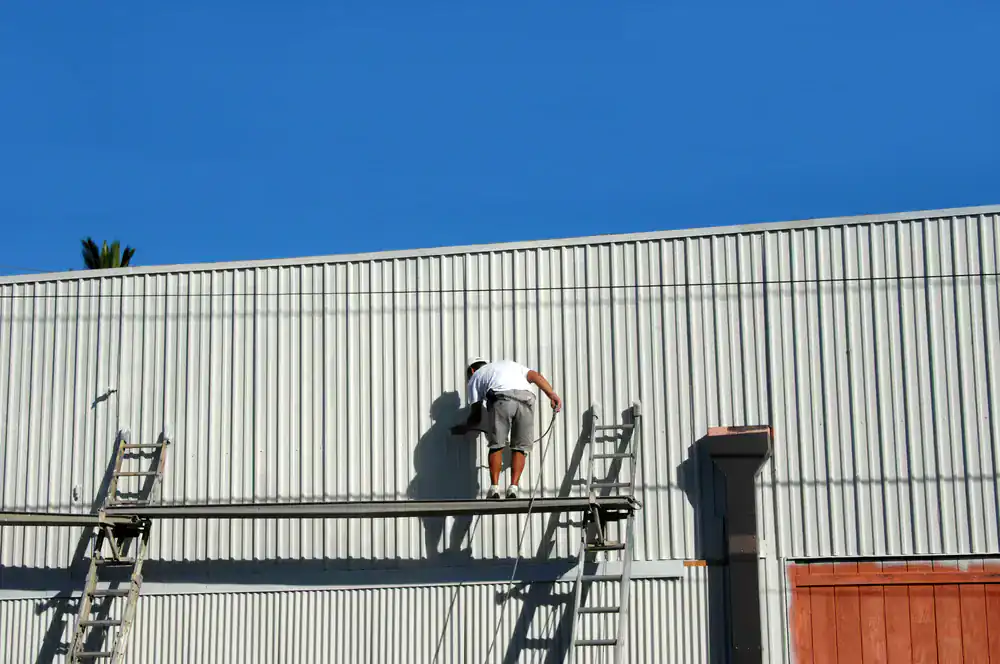
A fresh coat of paint on your commercial property isn’t just about looking good on Gratiot Avenue — it’s about keeping moisture out. New Haven sits in a climate that cycles between freezing and thawing repeatedly from November through March. Every unsealed gap, every skipped caulk line, every surface that didn’t get properly prepped is an entry point for water. Once water gets in and freezes, it expands. That’s when you start seeing bubbling, peeling, and eventually structural damage that costs far more to fix than a paint job ever would.
The Salt River runs along the east side of New Haven, and buildings in lower-lying areas face elevated moisture exposure year-round — not just in winter. That kind of environment accelerates paint degradation on wood substrates and creates conditions where mold can develop behind a failing paint film. The right primer, the right topcoat, and a prep process that actually addresses surface vulnerabilities before a drop of paint goes on — that’s what makes the difference between a job that lasts and one that needs to be redone in two years.
Beyond protection, a well-maintained exterior signals something to your customers. With MDOT actively investing $3.2 million into M-19 infrastructure through New Haven in 2025, traffic on that corridor is going to increase. A building that looks maintained and professional captures attention. One that’s peeling and faded blends into the background — or worse, sends the wrong message before a customer ever walks through your door.
We’re a family-owned company run by two brothers out of Macomb County. We’ve been operating under our current name for about two years, but the hands-on painting experience behind it goes back over a decade — through Michigan winters, humid summers, and every surface condition this climate produces.
You’re not dealing with a call center or a rotating crew of strangers. When you contact us about your New Haven commercial property, you’re reaching the people who actually show up to your site, assess what it needs, and do the work. That kind of direct accountability matters, especially in a community like New Haven where reputation travels fast and a poorly executed job on one Gratiot Avenue storefront gets noticed by every other business owner on the block.
We hold a 4.9-star rating on Angi — built on real reviews from real customers who specifically mention punctuality, professionalism, and fair pricing. That’s not a coincidence. It’s what happens when the people doing the work have their name and livelihood on the line with every project we take on.
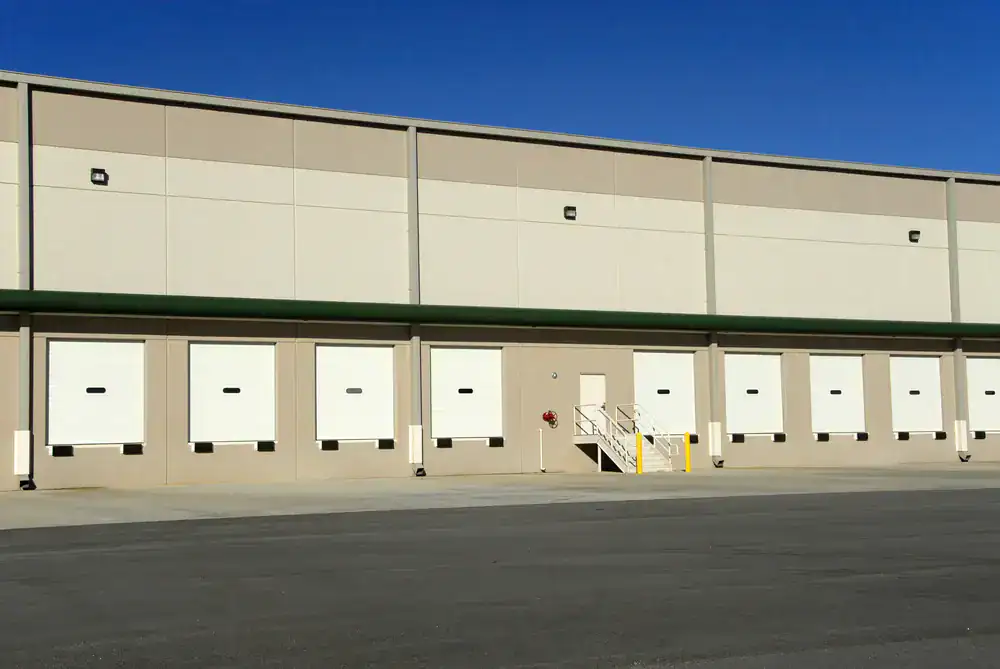
It starts with a free, detailed commercial painting estimate. Not a vague number scrawled on a notepad — an actual breakdown of what the job requires: the scope of the surface area, the prep work involved, the materials being used, and a realistic timeline. You know what you’re paying for before anything starts. That transparency is deliberate, because the number-one complaint from commercial property owners who’ve been burned before is that they didn’t know what they were actually getting until the job was done wrong.
Once you approve the estimate, prep work begins — and this is where most of the real work happens. Surfaces get washed, scraped, and sanded. Caulking is inspected and replaced where it’s failed. Minor surface repairs get addressed before a single drop of paint goes on. For older commercial buildings along New Haven’s Main Street corridor, this step is especially critical — structures that have been through decades of Macomb County winters often have compromised caulk lines and surface vulnerabilities that a rushed contractor will simply paint over. We don’t.
Painting is scheduled around your business operations. Early morning starts, phased sections, weekend availability — the goal is to get the work done without shutting you down. Michigan’s exterior painting window runs roughly late May through September, so if you’re planning ahead for a spring or summer project, getting your estimate locked in early puts you ahead of the demand curve that hits every year once the weather breaks.
Ready to get started?
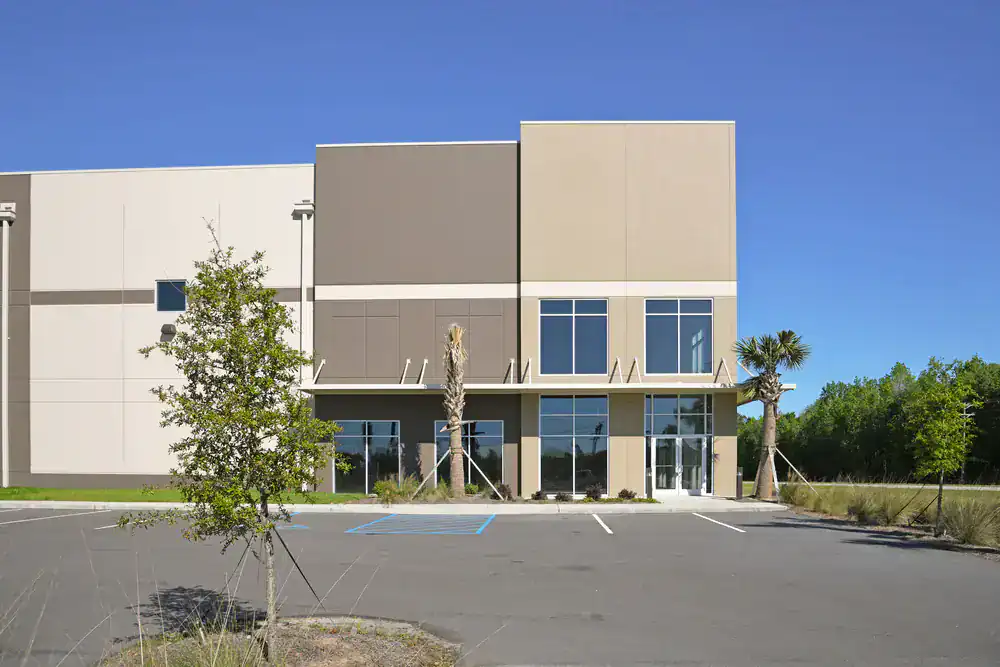
Commercial exterior painting in New Haven covers a range of building types — retail storefronts along Gratiot Avenue, small office buildings throughout Lenox Township, mixed-use properties, and institutional facilities. Each surface type has different requirements, and we approach each one accordingly. Older structures near New Haven’s historic Main Street corridor may involve wood trim, masonry facades, and metal accents — all of which require specific primers, appropriate topcoats, and careful prep to perform through Michigan’s temperature swings. Newer commercial development along M-19 often features metal panel systems, EIFS, or fiber-cement siding, which call for a different approach entirely.
Every commercial exterior painting project we complete includes thorough surface preparation — pressure washing, scraping, sanding, caulking, and minor surface repairs as needed. This isn’t presented as an upgrade or an add-on. It’s the baseline, because skipping prep is exactly how paint jobs fail. The coatings we select for each project are chosen based on the specific substrate, the level of moisture exposure the building faces, and the UV demands of the location. For buildings near the Salt River corridor on the east side of New Haven, moisture-resistant primers are a standard part of the system, not an afterthought.
If your commercial property on or near Gratiot Avenue hasn’t been repainted in several years, the 2025 M-19 corridor improvements are a practical reason to act now. More traffic, better infrastructure, and a freshly painted exterior are a combination that works in your favor. We offer free commercial painting estimates with no pressure and no obligation — just a clear picture of what the work involves and what it will cost.
The reliable exterior painting window in New Haven runs from late May through September. Surface temperatures need to stay consistently above 50°F for paint to adhere and cure correctly — and that’s surface temperature, not just air temperature. On a cold spring morning in Macomb County, the air might read 58°F while a north-facing masonry wall is still sitting at 44°F. We use infrared thermometers to verify this before work starts, not just glance at a weather app.
October can work depending on the year, but it’s borderline. If you’re planning a commercial exterior project in New Haven, the smart move is to get your estimate done in March or April and schedule for May or June. The demand spike hits every spring once the weather breaks, and contractors with quality reputations book up quickly. Getting ahead of that window means you’re not scrambling in August hoping someone can fit you in before the cold returns.
Commercial exterior painting costs vary based on surface area, substrate type, the condition of the existing paint, and how much prep work is required. For a small retail storefront or single-story commercial building in New Haven, you’re generally looking at a range that reflects the scope of the prep work as much as the painting itself. A building with failing caulk, peeling paint, and surface damage will cost more to do correctly than one that’s been maintained — but doing it correctly is what makes the job last through Macomb County winters instead of failing after one season.
What you should be cautious of is the low estimate that doesn’t account for prep. A number that looks attractive upfront often means the contractor is planning to skip the washing, the scraping, the caulking, and the priming — and paint over whatever’s already there. In New Haven’s freeze-thaw climate, that approach fails fast. The cost of redoing a job in two years is always higher than doing it right the first time. We provide detailed estimates that break down exactly what’s included, so you can compare apples to apples when you’re evaluating bids.
In most cases, routine repainting of an existing commercial exterior in New Haven does not require a separate painting permit. You’re maintaining the building, not altering its structure. That said, if your project involves significant facade modifications — changes that go beyond repainting into renovation territory — it’s worth confirming with the Village of New Haven before work starts. For commercial properties in Lenox Township outside the village limits, the township has a formal development review process for certain exterior modifications, and it’s better to verify early than to deal with a stop-work situation mid-project.
One area where compliance does matter is lead paint. Michigan requires contractors performing renovation, repair, or painting work on pre-1978 buildings to follow EPA lead-safe work practices. New Haven has commercial structures along its historic Gratiot Avenue corridor that date back to the late 19th and early 20th century — if your building was constructed before 1978, this is a real consideration, not a technicality. Ask any contractor you’re evaluating whether they follow lead-safe renovation protocols. It protects your tenants, your employees, and your liability exposure as a property owner.
Freeze-thaw damage is the most common reason commercial exterior paint fails prematurely in New Haven and throughout Macomb County. Here’s what actually happens: water infiltrates the surface through cracked caulk, failed paint seams, or areas where prep was skipped. When temperatures drop below freezing — which in New Haven means January lows averaging around 18°F — that trapped moisture expands. When it thaws, it contracts. Repeat that cycle dozens of times between November and March, and you get bubbling, peeling, and delamination that looks like the paint just gave up.
The prevention is straightforward but has to be done before the paint goes on. Every seam and joint needs to be inspected and caulked. Every area of failing or peeling paint needs to be scraped and sanded back to a stable surface. The right primer needs to be applied to create a proper bond between the substrate and the topcoat. And the topcoat itself needs to be a coating formulated to flex with temperature changes rather than become brittle in cold weather. None of this is complicated — it just requires a contractor who actually does it instead of skipping steps to move faster.
A commercial exterior paint job done with proper prep and quality coatings should realistically last seven to ten years in New Haven’s climate before it needs full repainting — and that’s in a climate that’s genuinely hard on exterior surfaces. Buildings along Gratiot Avenue face UV exposure, road dust from a high-traffic state highway, and the freeze-thaw cycles that hit Macomb County every winter. Those factors add up, but they’re manageable with the right system.
What shortens that lifespan significantly is skipped prep. A paint job applied over surfaces that weren’t properly cleaned, caulked, and primed will start showing failure signs within two to three years in this climate — sometimes sooner on north-facing walls that hold moisture longer. Regular inspection of caulk lines and paint film condition every few years can extend the life of a good paint job considerably, catching small failures before they become large ones. If you’re seeing peeling, bubbling, or chalking on your commercial building’s exterior, those are signs the existing paint system has failed and a full repaint — done correctly this time — is the right move.
Yes, and for most commercial clients in New Haven, this is one of the first things that needs to be worked out before a project starts. A retail storefront on Gratiot Avenue can’t close for a week. A small office in Lenox Township has employees and clients coming and going. Painting work that blocks entrances, creates fumes near open windows, or leaves equipment across a parking lot mid-week creates real problems for a business that’s trying to stay open.
We work around your schedule. That can mean early morning starts before your business opens, phased work that keeps one section of the building accessible while another is being painted, or weekend scheduling for sections that need uninterrupted access. The planning conversation happens during the estimate — not after the job has already started and someone realizes the front entrance is going to be unusable for two days. If you have specific scheduling constraints tied to your business hours, deliveries, or customer traffic patterns, that information shapes how the project gets structured from the beginning.