
Hear from Our Customers
Richmond isn’t a soft-weather market. You’re tracking road salt in from Gratiot Avenue every winter, dealing with temperature swings that crack bare concrete season after season, and watching a floor that looked fine in October start pitting and scaling by April. That’s not bad luck — that’s what unprotected concrete does in northeast Macomb County. A professionally applied epoxy floor coating stops that cycle before it takes another year off your slab.
Once the coating is down, you’re not mopping up oil stains or watching de-icing chemicals eat into the surface anymore. The floor cleans fast, holds up under vehicle traffic, and doesn’t absorb whatever gets spilled on it. For homeowners in Richmond with a working two-car garage, that’s a real difference in how the space functions every single day.
If you’re running a shop, a storage building, or any kind of light commercial space off the Gratiot corridor, the upside goes further. Chemical resistance, slip control, and a surface that doesn’t shed concrete dust into your equipment or your product — those aren’t cosmetic upgrades. They’re operational ones. And in an area where a lot of properties double as agricultural or equipment storage, that durability matters in ways a standard floor just can’t deliver.
We’re a family-run operation — two brothers with over a decade of painting and coating experience between us. We’ve been running Legends Construction for about two years, but the knowledge behind it was built over ten-plus years of working Michigan jobs, making real mistakes, and learning exactly what holds and what doesn’t in this climate.
When you call us for epoxy floor coating in Richmond, MI, you’re not getting handed off to a crew you’ve never met. The people who answer the phone are the same people who show up, prep the surface, and apply the coating. That’s not a pitch — it’s just how we run.
We serve Macomb County, and Richmond is well within our regular territory. We know the roads, we know the winters, and we know what northeast Macomb County concrete goes through between November and April. That familiarity shows up in the work.
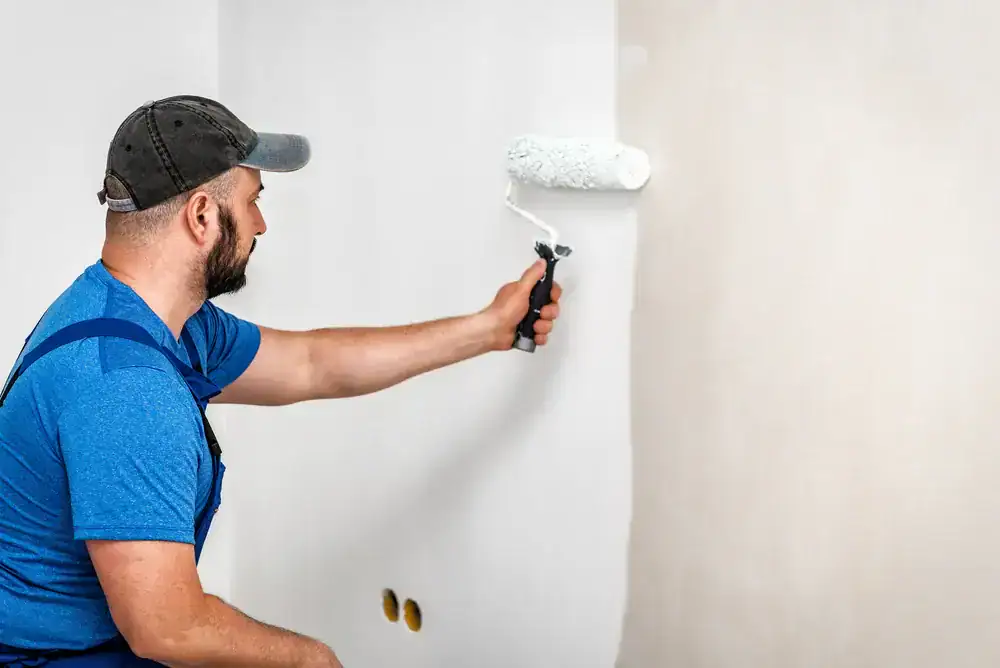
The first thing we do before any coating goes down is prep the surface — and this is where most jobs either succeed or fail before they start. We diamond grind the concrete to open the pores, remove any surface contamination, and create a mechanical bond that holds through Michigan’s freeze-thaw cycles. Acid washing is the shortcut a lot of contractors take. It leaves residue behind that prevents proper adhesion, and that’s why you see epoxy peeling at the edges within a year. Grinding takes more time. It also means the coating stays down.
After grinding, any cracks or surface damage get repaired before anything else is applied. In Richmond, where homes from the late ’80s and ’90s make up a big part of the housing stock, that step matters more than people expect — older slabs have usually absorbed years of salt and moisture, and the surface shows it.
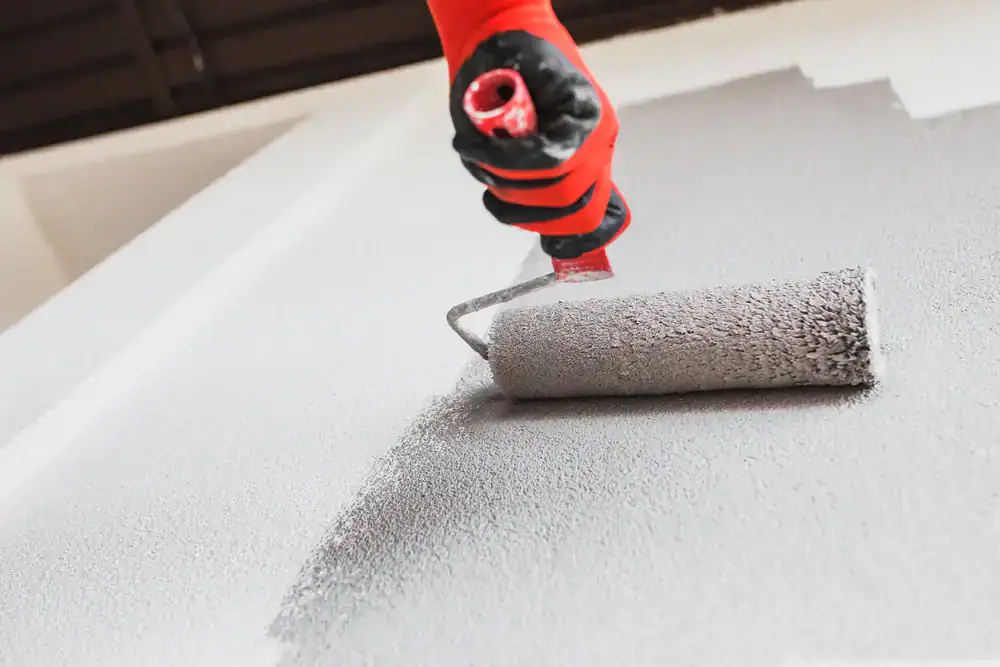
From there, it’s primer, base coat, and topcoat — in that order. Each layer has a job. The primer locks adhesion to the prepped concrete. The base coat is your commercial-grade epoxy floor paint, built for chemical resistance and impact load. The topcoat protects everything underneath and gives you the finished surface, with slip-resistant options available if you need them. Cure time before light foot traffic is typically around 24 hours. You’ll want to hold off on driving on it for five to seven days — and in Richmond’s colder months, concrete temperature has to be above 50°F for the epoxy to cure correctly, so timing the job to late spring through early fall gives you the best result.
Ready to get started?
We handle residential garage floors, commercial spaces, and light industrial or warehouse applications — including the kind of agricultural storage buildings that are common in the Richmond Township and Lenox Township areas surrounding the city. Bare concrete in those environments takes a different kind of punishment: fertilizers, hydraulic fluid, diesel, and heavy equipment traffic. Commercial-grade epoxy floor coating and warehouse floor paint are built to handle that load. A residential garage kit from the hardware store is not.
For homeowners, the most common job is a two-car garage floor — typically in the 400 to 500 square foot range. Professionally installed epoxy floor coating in the Richmond, MI market generally runs $3 to $8 per square foot depending on the condition of the slab and the coating system used. That puts a standard two-car garage in the $2,400 to $3,800 range. It sounds like a real number until you price out what it costs to have a failed DIY job removed and redone — which is more.
For commercial and warehouse clients, we scope each job individually. Surface condition, square footage, chemical exposure requirements, and operational downtime constraints all factor into what system gets specified. If you’re running a business and can’t afford to have your floor out of service for a week without a clear plan, that conversation happens upfront — not after the job starts. We offer specialty coating services across the full range of applications, and the process gets matched to what the space actually needs.
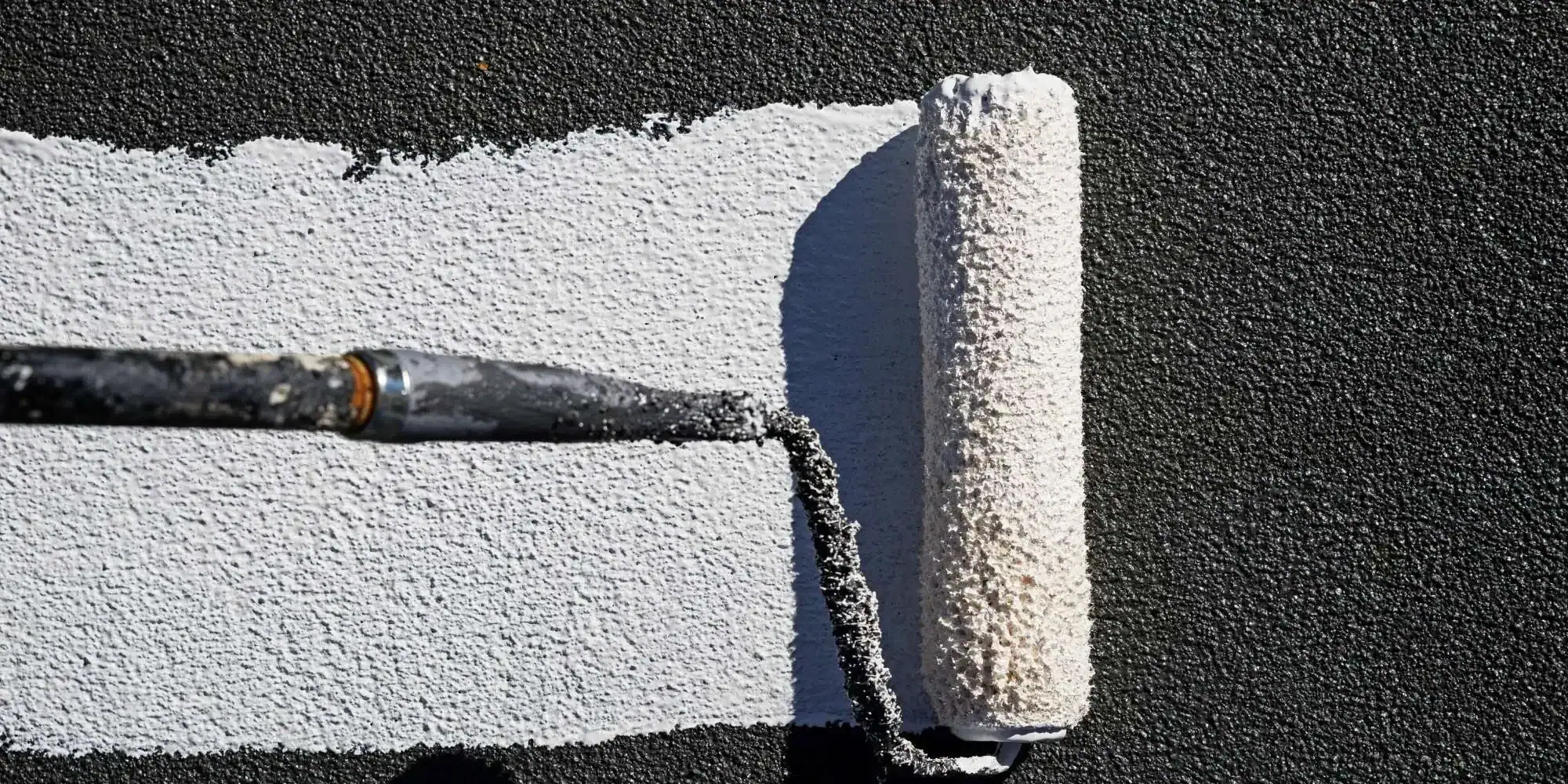
The most common reason epoxy peels is surface preparation that wasn’t done correctly — specifically, skipping diamond grinding in favor of acid washing or applying coating directly over contaminated concrete. When the surface isn’t properly opened and cleaned, the epoxy bonds to surface residue instead of the concrete itself. That bond fails under thermal stress, and in Richmond’s climate, thermal stress is constant. Concrete expands in summer heat and contracts in winter cold, and a coating that isn’t mechanically bonded to the slab will eventually separate at the edges or bubble up from below.
The way to prevent it is to grind first, every time. We use diamond grinding on every job before any product goes down. We also test for moisture — because slabs that have absorbed years of road salt and groundwater can off-gas moisture vapor that breaks adhesion from underneath. Catching that before coating is the difference between a floor that lasts and one that doesn’t. It’s a step that adds time to the job and gets skipped by contractors who are moving fast. It doesn’t get skipped here.
A professionally applied epoxy floor coating — properly prepped, properly applied, and properly cured — typically lasts 10 to 20 years in a residential garage setting under normal use. Commercial and industrial floors with heavier traffic and chemical exposure can see a shorter lifespan depending on conditions, but even in those environments, a well-specified coating system holds for many years before needing recoating.
The variables that shorten that lifespan are almost always tied back to the installation. Inadequate surface prep, wrong product for the application, skipped primer coat, or coating applied when concrete temperatures are too low — any one of those can cut the life of the job dramatically. In Michigan, applying epoxy when the concrete is below 50°F is a real problem, and it happens more than it should when contractors are trying to extend their season into late fall. Timing the job correctly and using commercial-grade product suited for Michigan’s climate range gives you the long end of that lifespan, not the short end.
Yes — with the right prep work, an older cracked slab is absolutely a candidate for epoxy floor coating. A lot of Richmond’s residential housing stock dates to the late 1980s and 1990s, which means garage floors that have been through 25 to 35 Michigan winters. Surface cracking, salt staining, and some degree of spalling are common at that age. None of that automatically disqualifies the floor from being coated.
What matters is the condition of the slab beneath the surface damage. If the cracks are cosmetic or shallow — the kind that come from freeze-thaw cycling rather than structural movement — they get filled and repaired as part of the prep process before any coating goes down. If the slab has deeper structural issues, that conversation happens before the job starts, not after. We assess the floor during the estimate, and if coating isn’t the right call, we’ll tell you that directly. Most older Richmond garage floors are good candidates once the surface is properly ground and repaired — the coating actually helps seal the slab and slow further deterioration from road salt and moisture.
For unheated residential garages in Richmond, winter application isn’t practical. Epoxy requires concrete temperatures above 50°F to cure correctly — below that threshold, the coating doesn’t bond properly, and you end up with adhesion failures that show up within the first season. Richmond’s winters regularly push concrete temperatures well below that, even in a closed garage, from roughly November through March.
For heated commercial spaces, warehouses, or any environment where you can control the ambient temperature and keep the slab consistently above 50°F, winter application is possible. But for the typical Richmond homeowner with an unheated two-car garage, the practical installation window runs from late April through October. Spring is actually the most popular time to book — homeowners assess the winter damage, see the new cracks and salt staining, and want the floor addressed before the next season starts. If you’re thinking about it now, getting on the schedule early in the season means you’re not waiting until summer to get the job done.
This is one of the most important distinctions to understand before you spend money on either one. Epoxy floor paint — the kind sold in hardware store kits — is typically a water-based or one-part product that sits on top of the concrete surface. It looks similar when it’s first applied, but it doesn’t create the same chemical bond as a true two-part epoxy system, and it doesn’t hold up to the same level of traffic, chemical exposure, or thermal cycling.
Professional epoxy floor coating is a two-part system — a resin and a hardener that chemically react when mixed and bond to the prepared concrete surface at a molecular level. The result is a coating that’s significantly harder, more chemically resistant, and more durable under real-world conditions. In northeast Macomb County, where garage floors deal with road salt, freeze-thaw stress, and regular vehicle traffic, the difference in performance between a hardware store kit and a professionally applied commercial-grade system is not subtle. The kit might look fine for six months. The professional coating, done right, is still holding a decade later.
For a standard two-car garage in Richmond — typically in the 400 to 500 square foot range — professionally installed epoxy floor coating generally runs between $2,400 and $3,800. The per-square-foot rate usually falls in the $3 to $8 range depending on the condition of the slab, how much crack repair is needed, and which coating system is specified. Larger square footage tends to bring the per-foot cost down. Floors with significant surface damage or moisture issues that require more prep work will sit toward the higher end.
It’s worth putting that number in context. A hardware store epoxy kit runs $100 to $300 and, when applied without proper surface prep, commonly fails within one to two seasons — at which point you’re paying a professional to remove it before recoating anyway. The total cost of doing it wrong is almost always higher than the cost of doing it right the first time. For Richmond homeowners on a practical budget, the question isn’t really whether professional coating is expensive — it’s whether you want to pay for it once or twice. We provide transparent, itemized quotes so you know exactly what’s included before any work starts.