
Hear from Our Customers
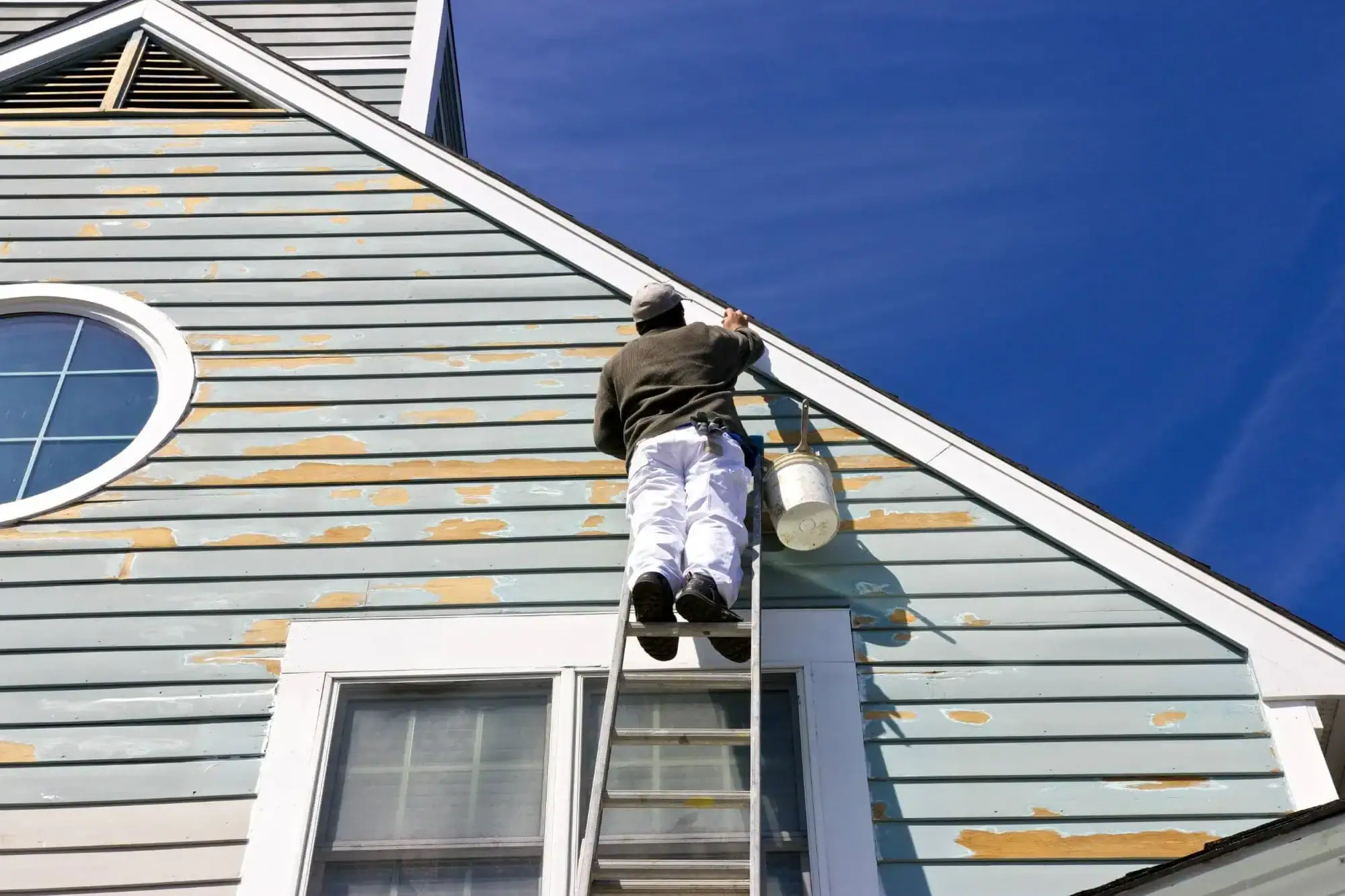
A fresh exterior paint job does more than make your Roseville home look better from the street. It seals the gaps that let moisture in, protects the wood underneath from the kind of freeze-thaw damage that turns a small problem into a costly repair, and gives your home a layer of real defense against the next Michigan winter. That matters more in Roseville than a lot of people realize — especially on homes built in the 1950s and 1960s, where the original wood siding has been absorbing decades of seasonal stress.
Roseville sits right on the border of St. Clair Shores, and that proximity to Lake St. Clair brings a humidity factor that accelerates mildew growth and shortens the life of any paint job that wasn’t applied with that in mind. When we use the right mildew-resistant formulations and take the time to properly seal every seam and window frame, the difference in longevity is real — we’re talking 8 to 12 years versus 3 to 4.
There’s also the financial side. Roseville homes are selling fast — around 18 days on average — and appreciation has been running close to 10% annually. Exterior painting returns roughly 51 to 55 cents on every dollar spent, and can add $7,500 or more to your home’s market value. Whether you’re planning to sell or just protecting what you’ve built, a quality paint job is one of the smarter investments you can make in a Roseville property.
Legends Construction LLC is a family-owned exterior painting company serving Roseville and the surrounding Macomb County area. We’ve been operating under our current name for about two years — but the two brothers running it have been painting Michigan homes for over a decade. That experience didn’t start when the LLC was filed. It started on job sites across Macomb County, on exactly the kind of postwar housing stock that fills neighborhoods throughout Roseville and north of I-696.
When you hire us, the people who show up are the same people who gave you the estimate. No subcontracted crews, no strangers. You know who’s on your property, and we know what your home needs — because we’ve been doing this long enough to have seen what happens when prep gets skipped or the wrong paint gets used in a Michigan winter. That’s not a small thing. It’s the whole job.
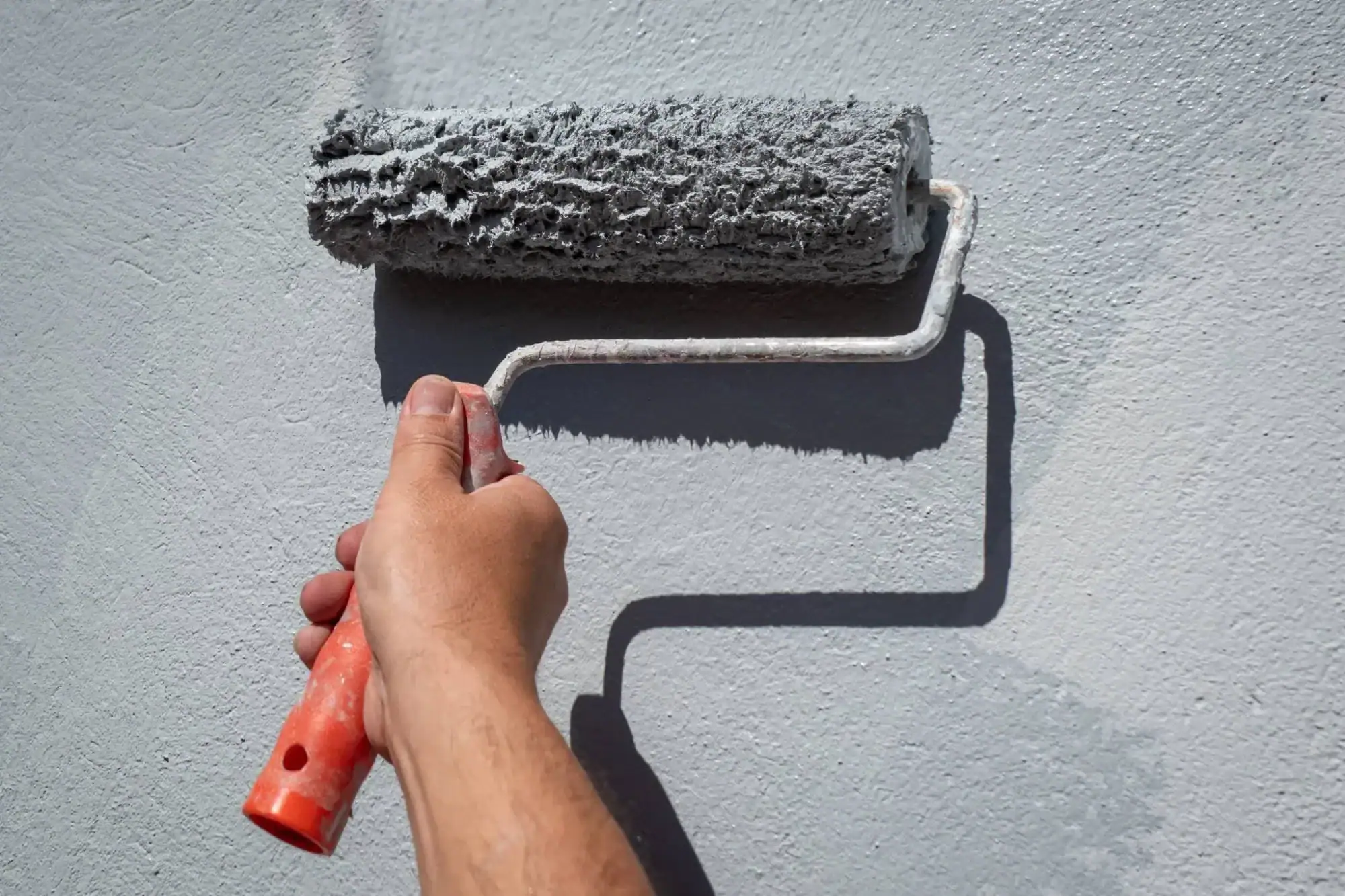
It starts with a thorough inspection of your home’s exterior surfaces — siding, trim, fascia, window frames, any area where caulk has cracked or wood has started to show wear. In Roseville, where a significant portion of homes were built before 1978, we also account for the presence of lead-based paint layers, following Michigan Lead Abatement Act requirements and EPA RRP protocols throughout the project. This isn’t a formality — it’s a legal requirement, and it protects your family.
Once the inspection is done, we pressure wash the entire exterior to remove dirt, mildew, and loose paint. Then comes the prep work that most people never see but determines how long everything holds up: scraping, sanding, caulking every gap and seam, and priming bare or compromised surfaces before any finish coat goes on. Given Roseville’s proximity to Lake St. Clair and the humidity patterns that come with it, we use mildew-resistant formulations and acrylic latex products engineered to flex with temperature swings rather than crack under them.
The finish coats go on after all of that — not before. When the job is done, we clean up completely and walk through the finished work with you before we leave. Michigan’s exterior painting season runs roughly late May through mid-September, so if you’re thinking about this for your home, earlier in the season is always better than waiting.
Ready to get started?
Exterior painting in Roseville isn’t just rolling paint onto siding. For homes in this part of Macomb County — many of them 60 to 70 years old with original wood siding, aging caulk, and multiple layers of paint underneath — the prep work is where the job is actually won or lost. What you get with us includes a full surface inspection, pressure washing, scraping and sanding of any failing paint, caulking of all gaps around windows, doors, and trim, spot priming where needed, and two finish coats of a premium exterior paint suited to Michigan’s climate conditions.
Siding, trim, doors, shutters, and fascia boards are all part of the scope. If there’s visible rot or wood damage found during prep, we flag it before painting so you can make an informed decision — because painting over a compromised surface is a short-term fix that costs more in the long run. Roseville’s older homes sometimes surface these issues, and a contractor who ignores them isn’t doing you any favors.
We’re fully licensed and insured in Michigan, which means you have real recourse if anything goes sideways. Every project is completed by the same team that quoted it, start to finish, with no handoffs and no surprises on the final invoice.
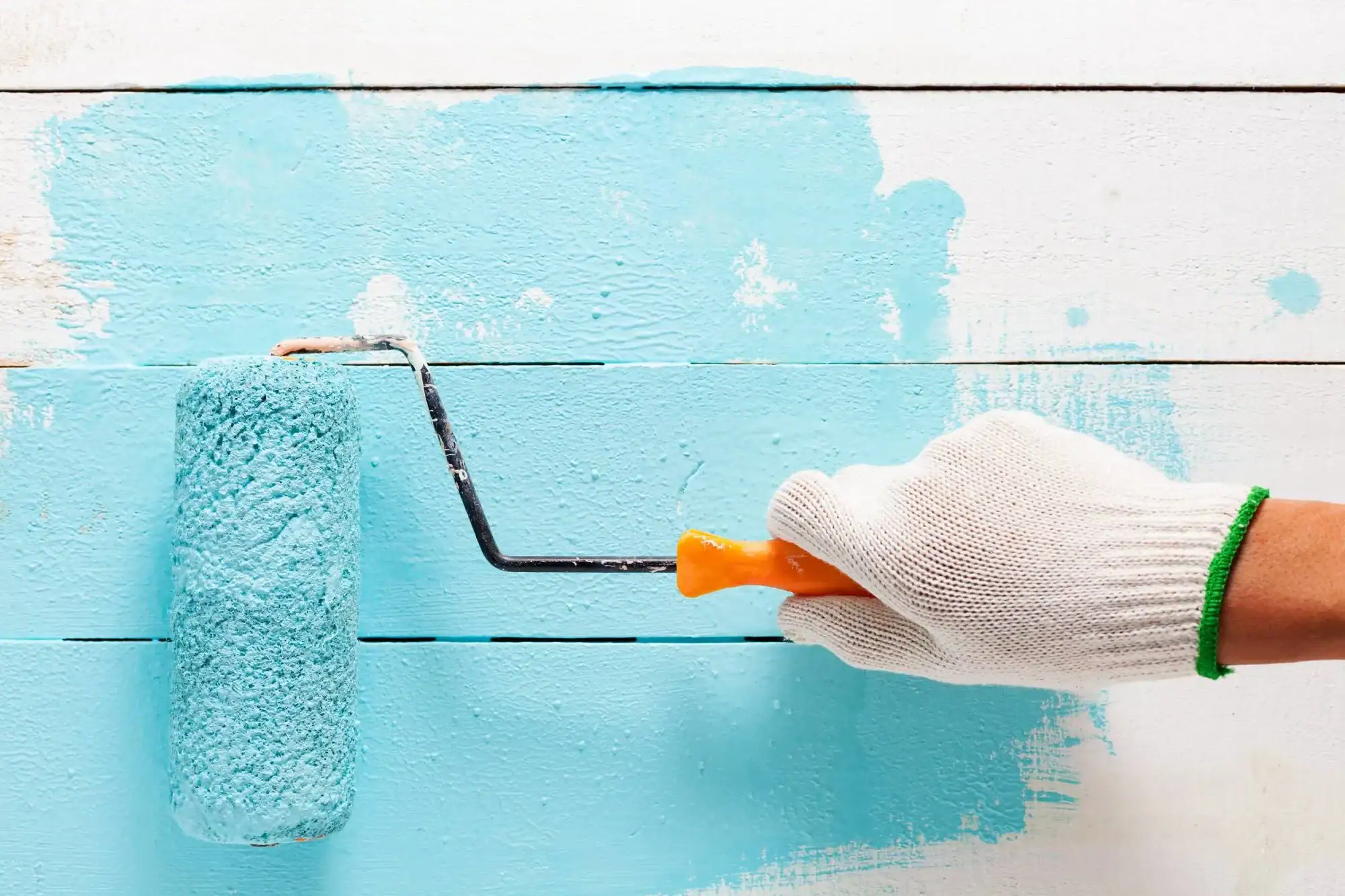
The honest answer is that it depends heavily on how the job was done — not just what paint was used. In Roseville’s climate, a properly prepped and properly painted exterior should hold up for 8 to 12 years. That means full surface prep, mildew-resistant formulations, caulked seams, and primed bare spots before the finish coats go on. Skip any of that, and you’re looking at peeling and cracking within three to four years — sometimes sooner on the north-facing sides of the house where moisture sits longer.
Roseville’s proximity to Lake St. Clair adds a humidity factor that accelerates mildew and paint film breakdown faster than what you’d see in more inland Michigan communities. The freeze-thaw cycles along I-696 and throughout Macomb County compound that. A paint job built for this specific environment — with the right products and the right prep — holds. One that isn’t will tell you by the second or third winter.
For a typical Roseville ranch or bungalow — most of which run between 1,000 and 1,500 square feet of living space — exterior painting generally falls in the range of $3,500 to $7,000 depending on the condition of the surfaces, the number of coats required, the scope of trim and detail work, and whether there are any prep complications like significant caulk failure or lead paint layers that need to be handled under Michigan’s abatement protocols.
The wider range you’ll see across quotes from different contractors usually reflects what’s being included — or left out. A lower quote often means lighter prep, fewer coats, or builder-grade paint that won’t hold up through a Michigan winter. When you’re looking at a home worth around $159,000 in a market appreciating close to 10% annually, a paint job that lasts a decade is a better financial decision than one that needs to be redone in three years.
The practical window for exterior painting in Roseville runs from late May through mid-September. Paint needs temperatures consistently above 50°F to cure properly, and it needs humidity at manageable levels — both of which are hit-or-miss in April and October in this part of Macomb County. Painting outside that window risks adhesion failures, slow curing, and a finish that looks fine at first but starts showing problems by the following spring.
The booking reality is that exterior schedules fill up fast. Most homeowners start thinking about this in February or March when they notice winter damage — peeling paint, cracked caulk around windows, frost-damaged trim — but the actual painting window is only about 16 to 20 weeks long. Contractors who do quality work book out weeks in advance. If your home needs exterior painting this season, reaching out early gives you the most flexibility on timing and scheduling.
If your home was built before 1978, the answer is yes — and this applies to a significant portion of Roseville’s housing stock, which was built predominantly during the 1950s and 1960s. Under the federal EPA Renovation, Repair, and Painting Rule and the Michigan Lead Abatement Act, contractors disturbing lead-based paint on pre-1978 homes are required to follow certified safe-work practices. This includes containment, specific disposal procedures, and documentation — not optional steps that a contractor can skip if the homeowner doesn’t ask about them.
When you’re getting quotes from exterior painting contractors in Roseville, ask directly whether they follow RRP protocols and whether they’re certified to work with lead paint. A contractor who dismisses the question or doesn’t know what you’re referring to is a contractor you should cross off the list. We’re fully licensed and insured in Michigan and operate in compliance with state and federal requirements on every project.
There are a few things to look for that tell you the paint is past its serviceable life. Peeling or bubbling paint — especially on north-facing walls or around window frames — is the clearest sign that moisture has already gotten behind the film. Fading and chalking, where the color looks washed out and leaves a powdery residue on your hand when you touch it, means the paint’s UV protection is gone. Cracked or missing caulk around windows and trim is a separate but related issue — once that seal is broken, moisture gets in and the freeze-thaw cycle does the rest.
On Roseville’s older homes, it’s also worth checking the wood siding and fascia boards closely. Soft spots, discoloration, or paint that’s separating from the wood at the edges often signal underlying rot or moisture damage that needs to be addressed before repainting. Catching these issues early is significantly cheaper than dealing with them after they’ve progressed through another winter.
In Roseville’s current market — where homes are selling in roughly 18 days and buyers are making fast decisions based on what they see from the street — exterior condition carries real weight. Research from Homelight puts the ROI on exterior painting at 51 to 55 percent, and the average value added runs $7,500 or more. Real estate professionals consistently rank exterior paint as one of the top factors in curb appeal before a listing goes live.
For Roseville specifically, where the median home price sits around $159,000 and appreciation has been running close to 10% annually, a fresh exterior paint job helps your home compete in a market where buyers have options and first impressions move fast. Even if you’re not planning to sell, maintaining your exterior protects the value you’ve already built — and in a city full of postwar homes where deferred maintenance shows up quickly, staying ahead of it is always the smarter play.