

Hear from Our Customers

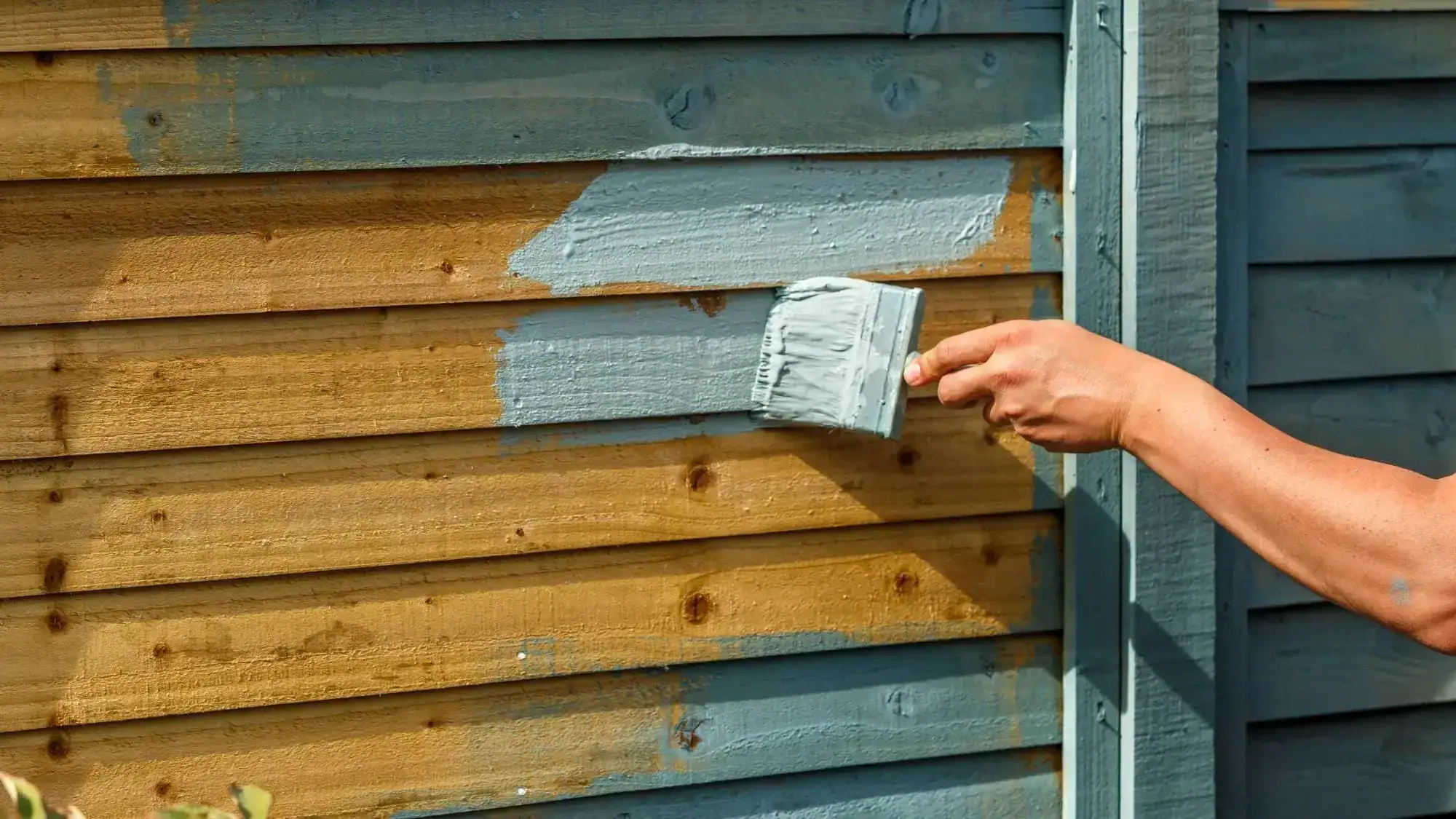
An untreated wood fence in Richmond doesn’t just look bad — it fails. The freeze-thaw cycle here is relentless. Moisture gets into the wood grain, freezes, expands, and works its way deeper every winter. Combine that with Macomb County’s clay-heavy soil retaining water around your posts, and you’ve got a fence that’s aging faster than it should. Professional wood fence staining in Richmond, MI stops that cycle before it starts by sealing the wood from the inside out — not just coating the surface.
The difference shows up fast. A properly stained fence stops absorbing moisture, resists UV breakdown through the summer, and holds its color and structure through multiple Michigan winters without peeling, cracking, or rotting at the base. You’re not just improving the look — you’re adding years to something that cost you real money to install.
And when you factor in that Macomb County home values jumped over 10% in 2024, the math gets even clearer. Your fence is protecting a more valuable asset than it was when it went up. Restaining every two to five years costs a fraction of what full fence replacement runs — typically $1,500 to $4,000 or more. It’s one of the most straightforward maintenance decisions a Richmond homeowner can make.
We’re a family-owned operation — two brothers who have been doing this work for over a decade. We’ve been running Legends Painting LLC for about two years, but the experience behind it goes back much further. Every fence staining job in Richmond and across Macomb County gets handled by us directly. There’s no crew of strangers showing up at your property. You know who’s coming, and we know what we’re doing.
We’re based in Macomb County, which means Richmond is part of our home market — not a far-off job we’re driving hours to reach. We know the soil conditions out here near the northeastern edge of the county. We know what Michigan winters do to wood that wasn’t prepped right. And we know that in a tight-knit community like Richmond, the work we leave behind speaks for itself long after we’re gone.
Our 4.9-star rating on Angi and HomeAdvisor wasn’t built by asking for reviews — it was built by showing up on time, doing the job right, and leaving properties cleaner than we found them. That’s the standard we hold on every project, whether it’s a fence along M-19 or a backyard privacy fence in Muttonville.

It starts with an honest assessment. Before any stain goes on, we look at the wood — its age, moisture content, condition, and how much sun exposure it gets. A fence on the south side of a Richmond property baking in full sun needs a different approach than a shaded backyard fence that stays damp into late spring. We’re choosing the right stain opacity and formulation for your specific fence, not just grabbing whatever’s on the truck.
From there, prep is everything. We clean the surface, let it dry to the right moisture level, and make sure it’s ready to actually accept the stain. This is the step most DIY jobs skip — and it’s exactly why those jobs fail within a season or two. In Michigan, staining over wood that hasn’t fully dried is one of the fastest ways to waste money. We don’t rush it.
Application is done with the right tools for the fence type and condition — brush, roller, or back-rolled spray — with proper masking to protect your landscaping, lawn, and anything adjacent to the fence line. Most residential fence staining projects in Richmond are completed in a single day. When we’re done, the site is cleaned up, and you’re left with a fence that’s sealed, protected, and ready for whatever Macomb County’s weather brings next.
Ready to get started?
Wood fence staining in Richmond, MI isn’t a one-product, one-method service — and we don’t treat it like one. The type of stain we use depends on your fence’s condition. A newer cedar or pine fence that’s never been stained gets a different treatment than a fence that’s been weathered for five or six Michigan winters and needs restoration work first. Transparent stains work well on newer wood with solid grain. Semi-transparent and semi-solid options are better for fences showing early weathering. If the wood has grayed significantly, a solid stain may be the right call to restore a clean, uniform appearance.
What’s included in every fence staining project we do: a full surface assessment before we touch anything, proper cleaning and prep, moisture-level evaluation, product selection matched to your fence’s actual condition, careful application with appropriate tools, and full site cleanup when the job is done. If your fence has posts showing signs of rot or structural damage, we’ll tell you before we stain — not after.
Richmond Township requires a permit for fence installation, so if you’re staining a newly installed fence, make sure your installation was permitted correctly before we start. Staining itself doesn’t require a permit, but it’s worth knowing where your fence stands. We work with homeowners across Richmond, Lenox Township, and the surrounding Macomb County area, and we’re happy to answer questions before you book.
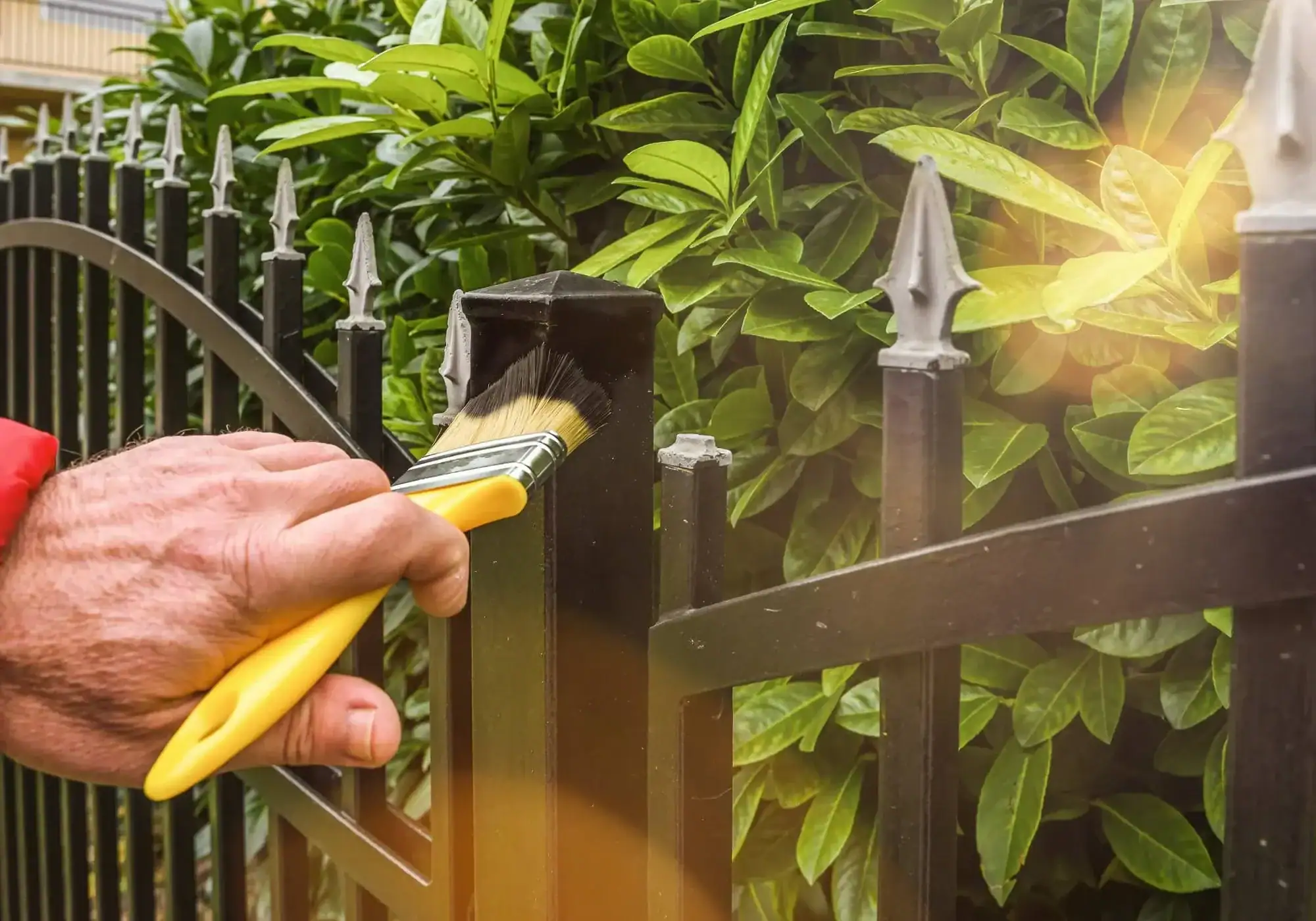
Professional fence staining in Richmond typically runs between $2 and $14 per linear foot, depending on the fence’s condition, height, wood type, and how much prep work is needed. For a standard residential privacy fence — say, 150 to 200 linear feet — most homeowners are looking at somewhere in the $300 to $800 range for a single staining application. If the fence hasn’t been stained in years and needs significant cleaning or restoration prep, the cost will be toward the higher end of that range.
The better comparison isn’t staining versus not staining — it’s staining versus replacement. Full fence replacement in Macomb County runs $1,500 to $4,000 or more depending on materials and size. Regular professional staining every two to five years keeps that replacement date much further out. For Richmond homeowners who have seen what Michigan winters do to untreated wood, it’s not a hard decision. We provide straightforward quotes before any work begins — no surprises.
In Michigan, most wood fences need restaining every two to five years — but that range depends heavily on exposure. A fence on the south or west side of your Richmond property that gets full sun and direct wind off the open farmland surrounding the area will break down faster than a shaded fence on the north side. UV exposure degrades the stain’s protective layer, and once that layer thins out, moisture starts getting back into the wood.
A simple test: splash some water on the fence surface. If it beads up, the stain is still doing its job. If it soaks in immediately, the wood is unprotected and you’re overdue. Graying, cracking, or visible weathering are also clear signs it’s time. In Richmond’s climate — with freeze-thaw cycles running from November through March — catching this before winter is the smarter move. A fence that goes into a Macomb County winter unprotected absorbs moisture, freezes, expands, and weakens at the grain level. Restaining in the fall window (September through October) is often the best insurance against that damage.
The two best windows for fence staining in Richmond are late April through May and September through October. Stain needs temperatures above 50°F to cure properly, and it needs dry conditions — no rain in the forecast for at least 24 to 48 hours after application. Michigan’s spring and fall hit that window reliably, which is why those are the busiest booking periods.
Summer is workable but requires more planning. Staining in direct afternoon sun when temperatures are pushing 85 or 90°F causes the stain to dry too fast on the surface, which prevents it from penetrating the wood grain the way it should. Early morning application in summer can work, but it’s not ideal. Winter is simply not viable — temperatures drop well below the curing threshold from November through March, and any stain applied in those conditions will fail. If you’re thinking about getting your Richmond fence stained, spring and fall slots fill up quickly. Booking ahead gives you the best shot at hitting the right weather window.
For most wood fences in Richmond, staining is the better long-term choice — and the reason comes down to how Michigan weather works. Paint sits on top of the wood as a surface film. When moisture gets underneath that film — which it will, especially with the freeze-thaw cycles Macomb County deals with every winter — it causes the paint to peel, blister, and crack. Once that happens, you’re looking at stripping the fence before you can repaint it. That’s a significant amount of additional labor and cost.
Stain penetrates into the wood fiber itself, creating a moisture barrier from the inside out. It doesn’t peel because there’s no surface film to lift. When it wears down, you clean and reapply — no stripping required. Solid stains can give you a paint-like opaque finish if that’s the look you want, while still behaving like a stain in terms of durability and maintenance. If your fence is already painted and peeling, we’ll give you an honest assessment of what makes sense — whether that’s stripping and staining, or another approach based on the wood’s current condition.
It depends on the wood. New pressure-treated lumber — which is common in fence installations across Richmond and Macomb County — is typically saturated with preservative chemicals and moisture when it’s installed. If you try to stain it too soon, the stain can’t penetrate properly because the wood is still releasing that moisture. The result is a stain job that peels or fails within the first season.
The general rule is to wait until the wood passes the water bead test: splash water on the surface, and if it soaks in rather than beading up, the wood is ready to accept stain. For pressure-treated lumber in Michigan’s climate, that can take anywhere from a few weeks to several months depending on when the fence was installed and how much sun and airflow it gets. Cedar and redwood fences can sometimes be stained sooner since they’re naturally lower in moisture. We assess the wood before we start — if it’s not ready, we’ll tell you, because staining too early wastes your money and ours.
This is one of the most common questions we get, and it’s worth answering honestly. Staining can restore a fence that has grayed, weathered, or lost its color — that’s surface-level damage that prep work and the right stain product can address. If your fence boards are still structurally sound, even if they look rough, professional fence staining in Richmond, MI can bring them back and add years of protected life.
The line gets crossed when the wood has rotted through. Soft spots, boards that flex or crumble when pressed, posts that have shifted or are leaning from frost heave — those are structural issues that staining won’t fix. In Richmond’s clay-heavy soil, post movement from repeated freeze-thaw cycles is a real issue, especially on older fences that weren’t sealed properly from the start. If we show up and find sections that are past the point of restoration, we’ll tell you directly — which sections can be stained, which may need board replacement first, and what the realistic options are. You won’t get a staining quote on a fence that isn’t a good candidate for it.
