
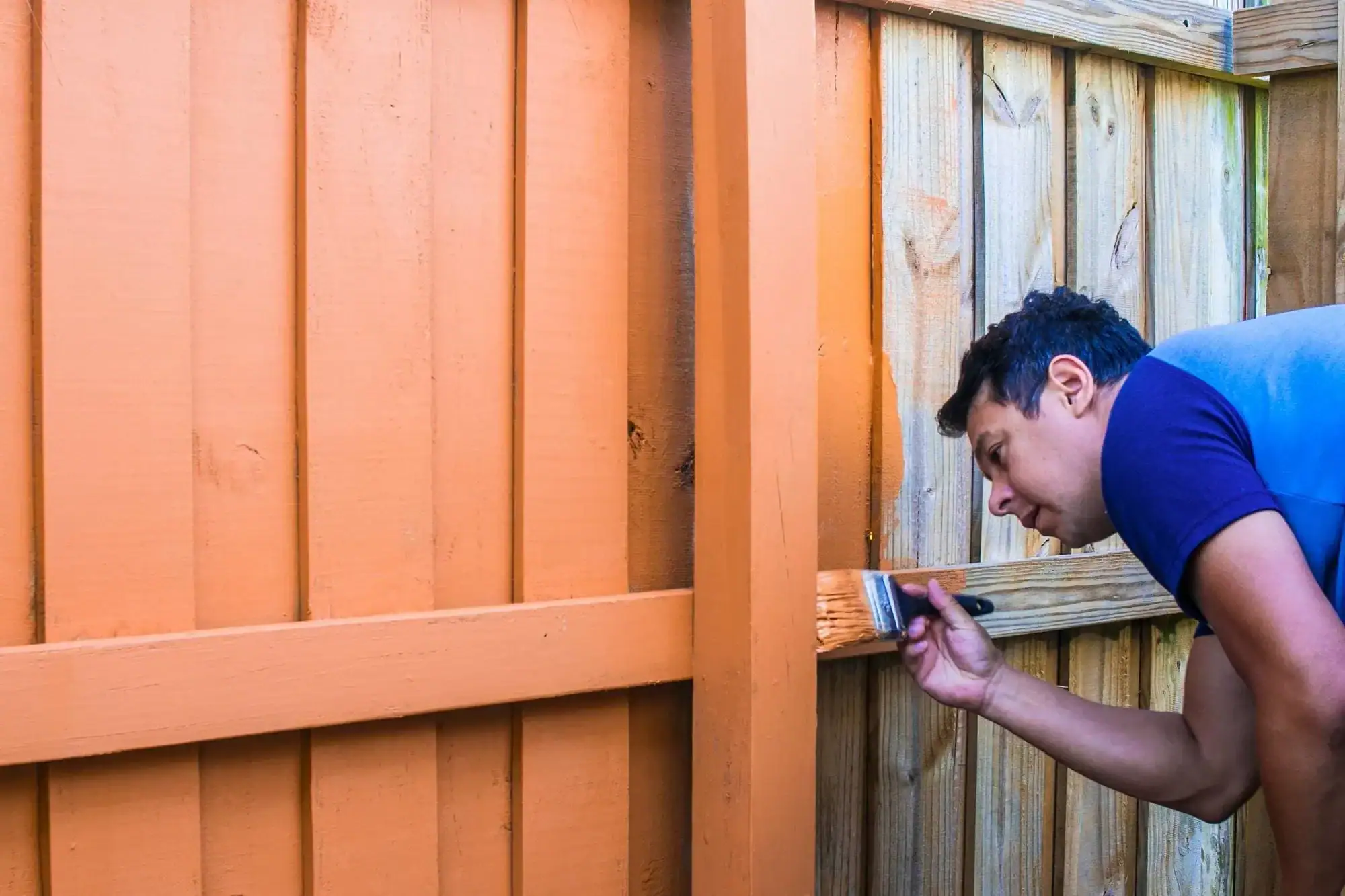
Hear from Our Customers
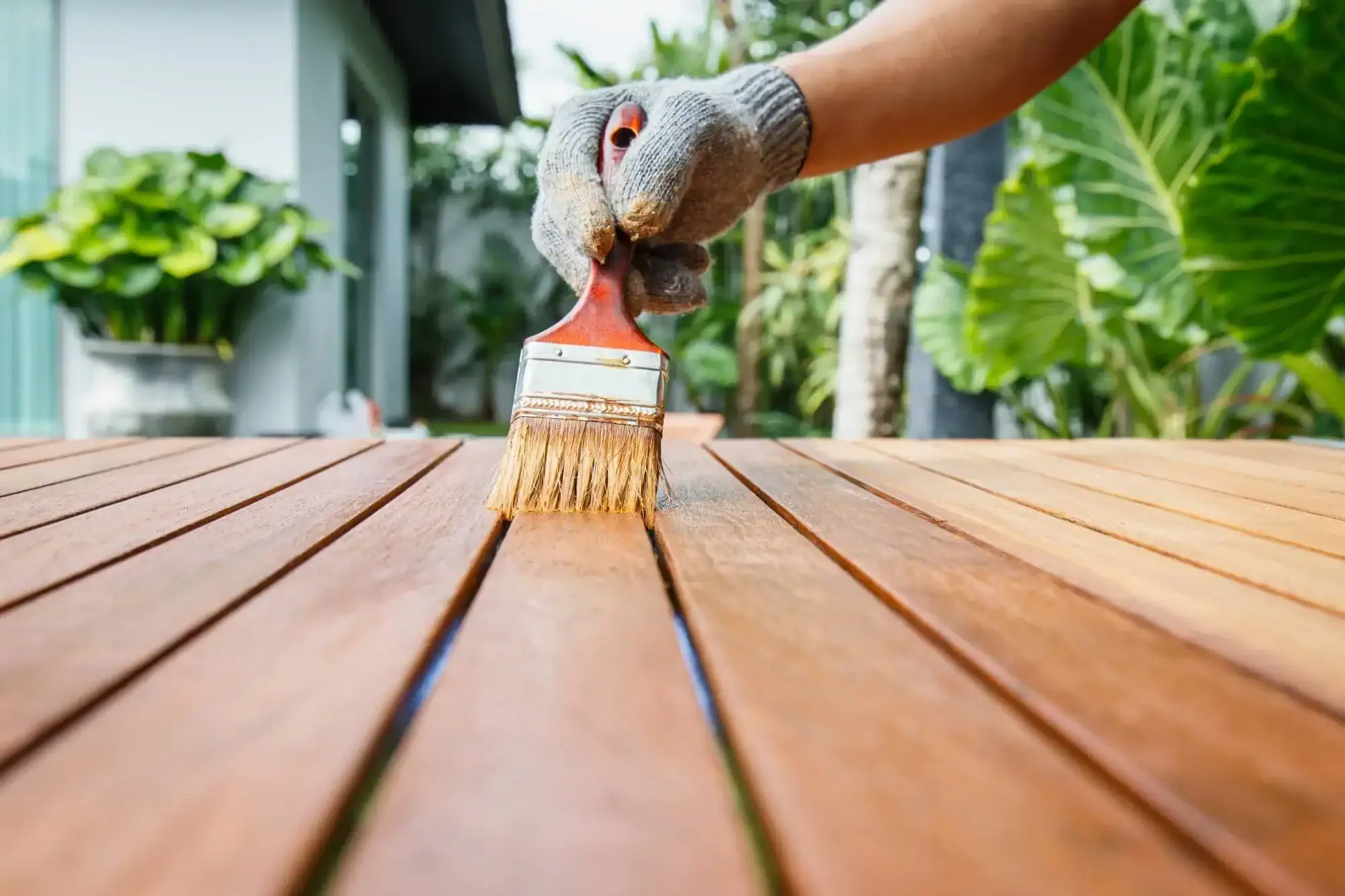
A stained fence isn’t just a better-looking fence. It’s a fence that isn’t rotting from the inside out. In New Haven, where winter temperatures push moisture deep into unprotected wood — and then freeze it — that expansion and contraction happens dozens of times before spring arrives. Every cycle that goes unprotected is a cycle that shortens your fence’s life. Staining creates a barrier that keeps that moisture out before it ever becomes a problem.
For homeowners in Decora Park and other subdivisions throughout New Haven, there’s also the HOA side of this. A weathered, graying fence isn’t just an eyesore — it can be a compliance issue. A professionally stained fence keeps your property looking maintained, keeps your neighbors happy, and keeps you off the HOA’s radar.
And if you’ve been watching what homes are selling for in the 48048 area lately, you already know your property is worth protecting. Median home prices in New Haven hit nearly $320,000 in 2025, up over 10% from the year before. A stained fence that adds curb appeal and signals a well-kept home is one of the lowest-cost, highest-visibility investments you can make in a rising market.
We’re a family-owned operation run by two brothers out of Macomb County. Between us, we have over 10 years of hands-on painting and staining experience — and when you hire us, that’s who shows up. Not a subcontractor. Not a day laborer. The people who own the business.
We’ve been serving homeowners across New Haven and Macomb County long enough to know what Michigan weather does to exterior wood. We know the staining window here is short. We know what products hold up through a Lenox Township winter and which ones don’t. And we know that in a community like New Haven — where neighbors talk and word travels fast — doing the job right the first time isn’t optional.
Our rating on Angi and HomeAdvisor sits at 4.9 stars. We didn’t get there by cutting corners or disappearing after the check cleared. We got there by showing up when we said we would, doing the work the way it should be done, and leaving every job site cleaner than we found it.
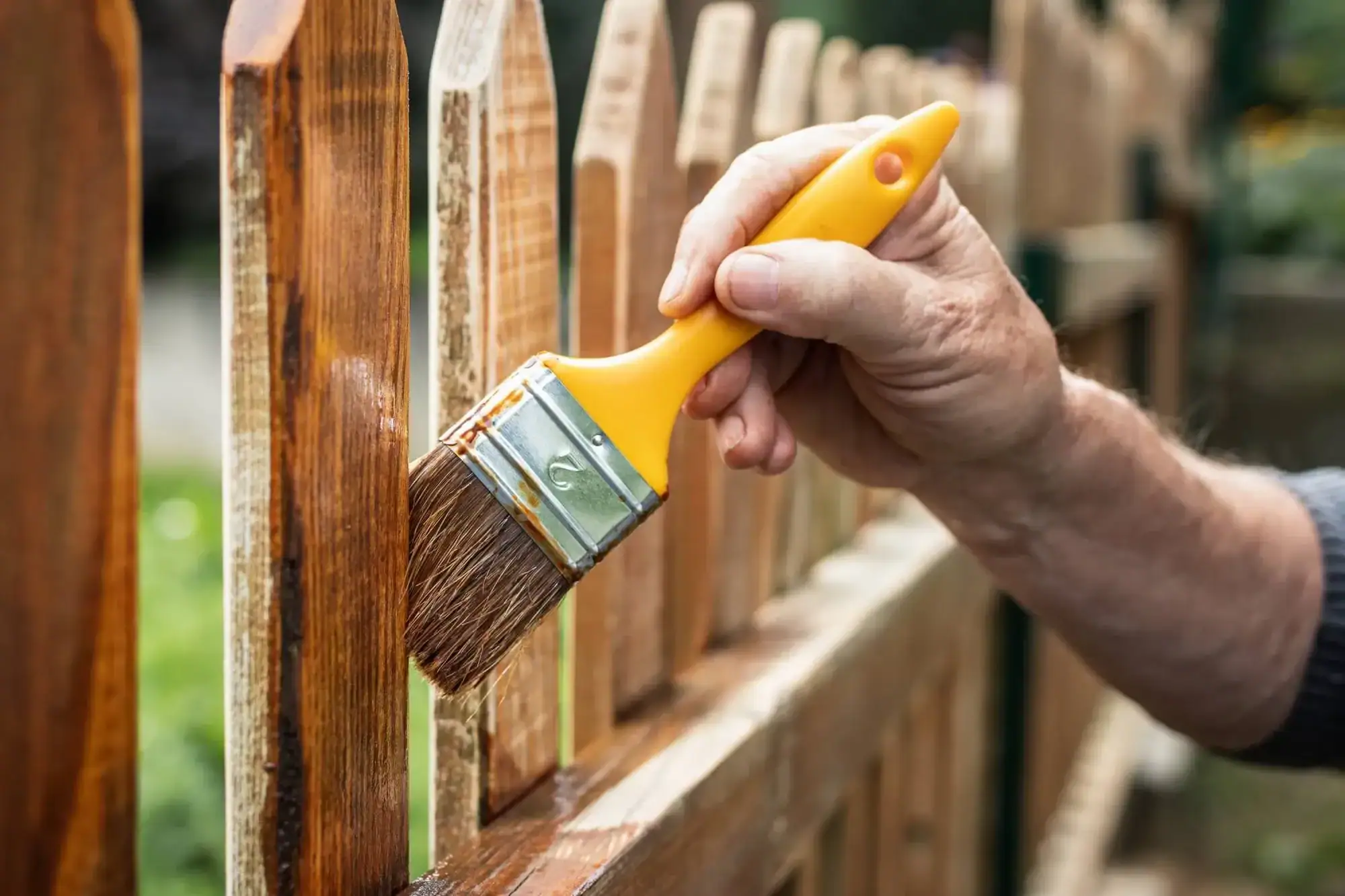
Before any stain goes on, the fence gets cleaned. Properly. That means removing dirt, mildew, oxidation, and any old failing finish that would prevent the new stain from bonding. Skipping this step is the single biggest reason DIY fence staining fails — and it’s why so many homeowners end up with blotchy, peeling results after a weekend of effort. We don’t skip it.
Once the surface is clean and fully dry, we assess the wood. The age of your fence, the wood species, and how much weathering has already occurred all factor into which stain type makes sense. A newer fence in a development like Decora Park with clean, tight grain calls for a different product than a 10-year-old privacy fence that’s been through a decade of New Haven winters. Transparent, semi-transparent, semi-solid — the choice matters, and we walk you through it before we start.
Application is done with the method that fits your fence’s style and the surrounding conditions. We mask off landscaping, driveways, and any adjacent structures before we begin. Most residential fence staining projects in New Haven are completed in a single day. When we leave, the fence is done, the site is clean, and you’re not waiting around for a second visit. One thing worth knowing: in this climate, the reliable staining window runs from May through June and again in September through October. If you’re thinking about getting this done, earlier in the season is always better than waiting.
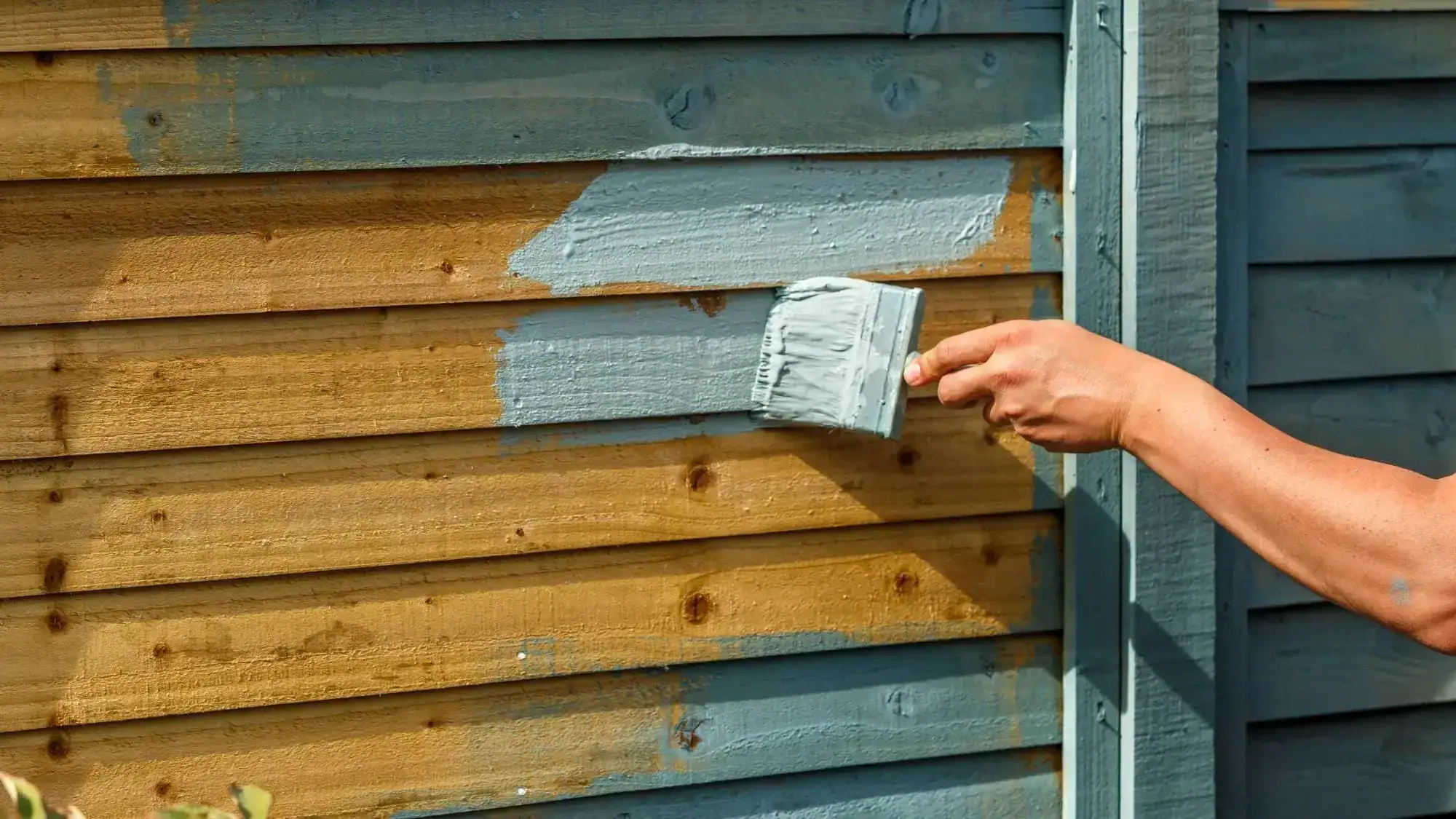
Ready to get started?
Every fence staining project we take on in New Haven starts with an honest assessment — not a sales pitch. We look at what your fence actually needs: how much weathering it’s dealt with, whether the wood is new construction that’s still curing or older stock that needs more aggressive prep, and what kind of exposure it gets throughout the year. South-facing fences bake in summer UV. Fences along property lines near trees deal with constant moisture and organic debris. The approach changes based on what’s actually in front of us.
For homeowners in New Haven and Macomb County, we work with oil-based and water-based stains from professional-grade product lines — not the box store options you’d grab off the shelf at the Lowe’s on Gratiot. The products we use are formulated to penetrate wood fiber rather than sit on top of it, which means they flex with the wood through freeze-thaw cycles instead of cracking and peeling when temperatures drop. That distinction matters a lot in this climate.
We also handle the full scope of prep — cleaning, light sanding where needed, and any spot treatment for areas showing early signs of mildew or gray oxidation. If your fence is new construction and the wood hasn’t fully cured yet, we’ll tell you that upfront and give you a realistic timeline for when it’s ready. There’s no benefit to rushing a stain job on fresh lumber, and we won’t do it just to close a booking.
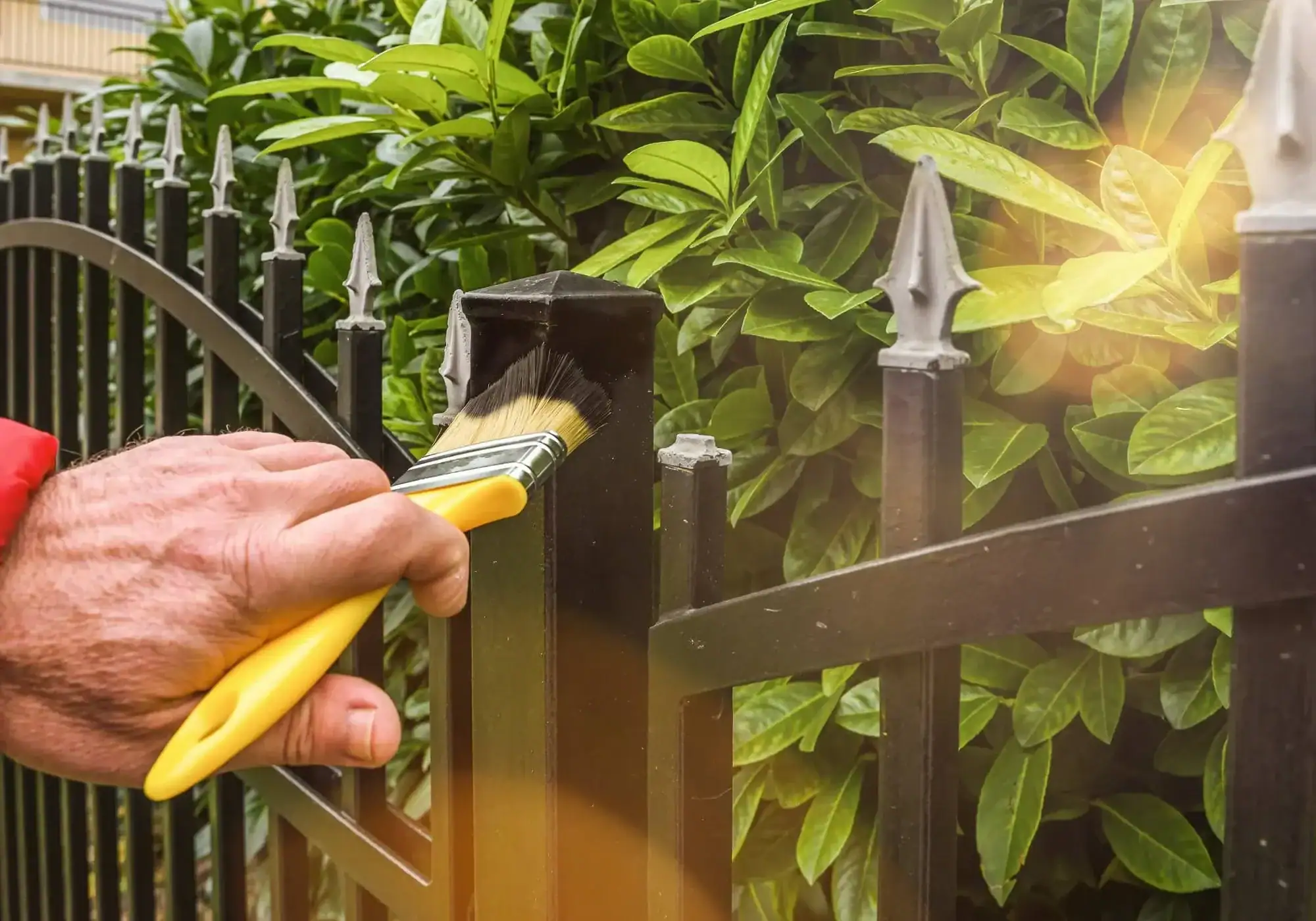
Most residential fence staining projects in New Haven fall somewhere between $300 and $800, depending on the size of the fence, the condition of the wood, and how much prep work is involved. Longer fences with significant weathering or old failing stain that needs to be stripped will run toward the higher end. A newer fence in good condition that just needs its first coat will typically come in lower.
The most important thing to understand is what you’re comparing that number against. A full wood fence replacement in this area runs $1,500 to $4,000 or more depending on material and linear footage. Regular staining — done every three to five years — can extend your fence’s lifespan by up to 30%. When you frame it that way, a professional staining job isn’t an expense. It’s the cheaper option by a significant margin.
In New Haven, the practical staining window is shorter than most homeowners expect. Stain needs to be applied when temperatures are consistently at or above 50°F, with no rain in the forecast for at least 24 to 48 hours after application. That gives you two reliable windows: spring, roughly May through June, and fall, roughly September through October.
Summer technically works, but it requires careful timing. Staining in direct afternoon sun or when temps are pushing 90°F causes the stain to dry too fast, which prevents it from penetrating the wood properly. You end up with surface coverage instead of real protection. Winter staining isn’t feasible in this climate — the temperatures alone disqualify it. If you’re thinking about getting your fence stained this season, the earlier you call, the better. Our schedule fills up during those peak windows, and homeowners who wait until late October often end up pushing to the following spring.
For a wood fence in Michigan, stain is almost always the better choice. Here’s why: paint forms a film on the surface of the wood. When wood expands and contracts through freeze-thaw cycles — which happens dozens of times in a single New Haven winter — that surface film cracks, blisters, and peels. Once paint starts peeling, you have to strip it before you can recoat, which adds significant time and cost to every future maintenance cycle.
Stain penetrates into the wood fiber itself. It moves with the wood instead of fighting it, which means it handles temperature swings and moisture fluctuations far better than a surface coating. When it’s time to reapply, you clean the surface and recoat — no stripping required. For a fence that’s exposed to the elements year-round, stain is simply more durable, more practical, and easier to maintain over the long run.
Graying is a surface-level UV response, and in most cases it doesn’t mean your fence is beyond help. What’s happening is that the sun is breaking down the lignin in the wood fiber — the natural binder that holds wood cells together — and the result is that silver-gray color you’re seeing. It looks like damage, but it’s usually still very treatable.
The key question is whether the wood has also started to check, crack, or show signs of soft spots and rot. Surface graying with structurally sound wood is a straightforward cleaning and staining job. If there are boards that have gone soft, split through, or show signs of fungal growth deeper than the surface, those may need to be replaced before staining makes sense. We assess this at the start of every project. If your fence can be restored, we’ll tell you. If there are boards that genuinely need replacing first, we’ll tell you that too — because staining over compromised wood is just covering up a problem that’s going to get worse.
A professional stain job on a properly prepped fence typically lasts three to five years in Michigan’s climate, depending on the product used, the fence’s sun and moisture exposure, and how well the prep work was done before application. Fences on the south or west side of a property — where UV exposure is highest — tend to show wear sooner. Fences in shaded areas or under tree cover may hold up longer but can deal with more mildew buildup over time.
The prep work is the biggest variable. Stain applied over dirty, damp, or oxidized wood will fail early regardless of how good the product is. That’s why we don’t skip the cleaning and drying phase. When the surface is right and the product is matched to the wood’s condition, you can realistically expect a solid four to five years before you’re looking at a recoat. We’ll also give you an honest read on where your fence falls in that range after we assess it.
It depends on what the fence is made of. If it’s pressure-treated lumber — which is common in new construction throughout New Haven and Macomb County — the wood needs time to dry out before stain can penetrate properly. Pressure-treated wood is saturated with preservative chemicals during the treatment process, and that moisture content needs to drop before a stain will absorb the way it should. Depending on the conditions, that curing period can range from a few weeks to a few months.
A simple test: flick a few drops of water onto the wood. If the water beads up and sits on the surface, the wood isn’t ready. If it absorbs quickly, you’re in the window. For cedar or untreated pine fences, the timeline is shorter — sometimes as little as 48 hours after installation if the wood was dry to begin with. If you’re not sure where your fence stands, we’re happy to take a look and give you a straight answer before scheduling anything. There’s no point in staining before the wood is ready, and we won’t push you to book before it is.