Summary:
You picked a color you loved on the swatch. It went on the wall. Now it looks completely different — too dark, too cold, or somehow flat in a way you didn’t expect. Sound familiar? You’re not alone, and it’s not your fault. Choosing interior paint involves more than pulling a chip off the rack at the hardware store. The finish matters just as much as the color. The lighting in your home matters. The age of your walls matters. This guide walks through what actually drives a paint job that looks great and holds up — so you can make confident decisions before the first can is cracked open.
Here’s something most people don’t hear until after a bad experience: interior paint applied without proper surface preparation typically lasts two years or less before it starts peeling, chipping, or fading. Done right — with thorough prep, the correct primer, and two quality finish coats — that same paint should look good for 8 to 12 years.
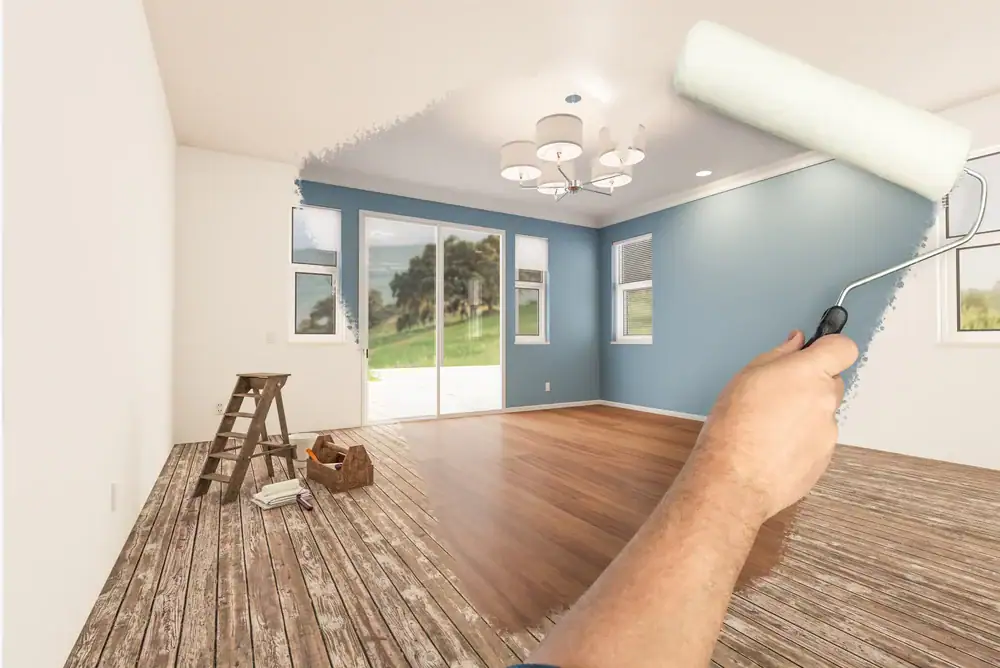
The difference isn’t the brand of paint. It’s everything that happens before the paint goes on. Cleaning the walls, patching drywall, caulking gaps, sanding rough areas, and applying the right primer — these steps are what bond the paint to the surface and keep it there. Skip them, and even the most expensive paint in the store won’t save you.
There’s a pattern that plays out constantly in the residential painting world, and it’s worth knowing about before you start collecting quotes. A contractor comes in with a number that’s noticeably lower than everyone else. The job gets done. And within a year or two, the paint is already showing its age — scuffing, peeling near edges, or looking uneven in certain light. What happened? The prep work got cut.
Surface preparation is the most time-consuming part of a professional paint job. It’s also the easiest thing to skip when a contractor is trying to win a bid on price alone. The problem is that you won’t see the consequences until months later, when it’s too late to do anything about it without repainting entirely.
This is why we include all prep work — drywall repair, caulking, priming — in our original quote, upfront, with no surprise charges added later. That’s not a bonus feature. It’s just how the job should be done. But it’s worth asking any painter you’re considering: what exactly is included in your prep? If the answer is vague, that’s a signal worth paying attention to.
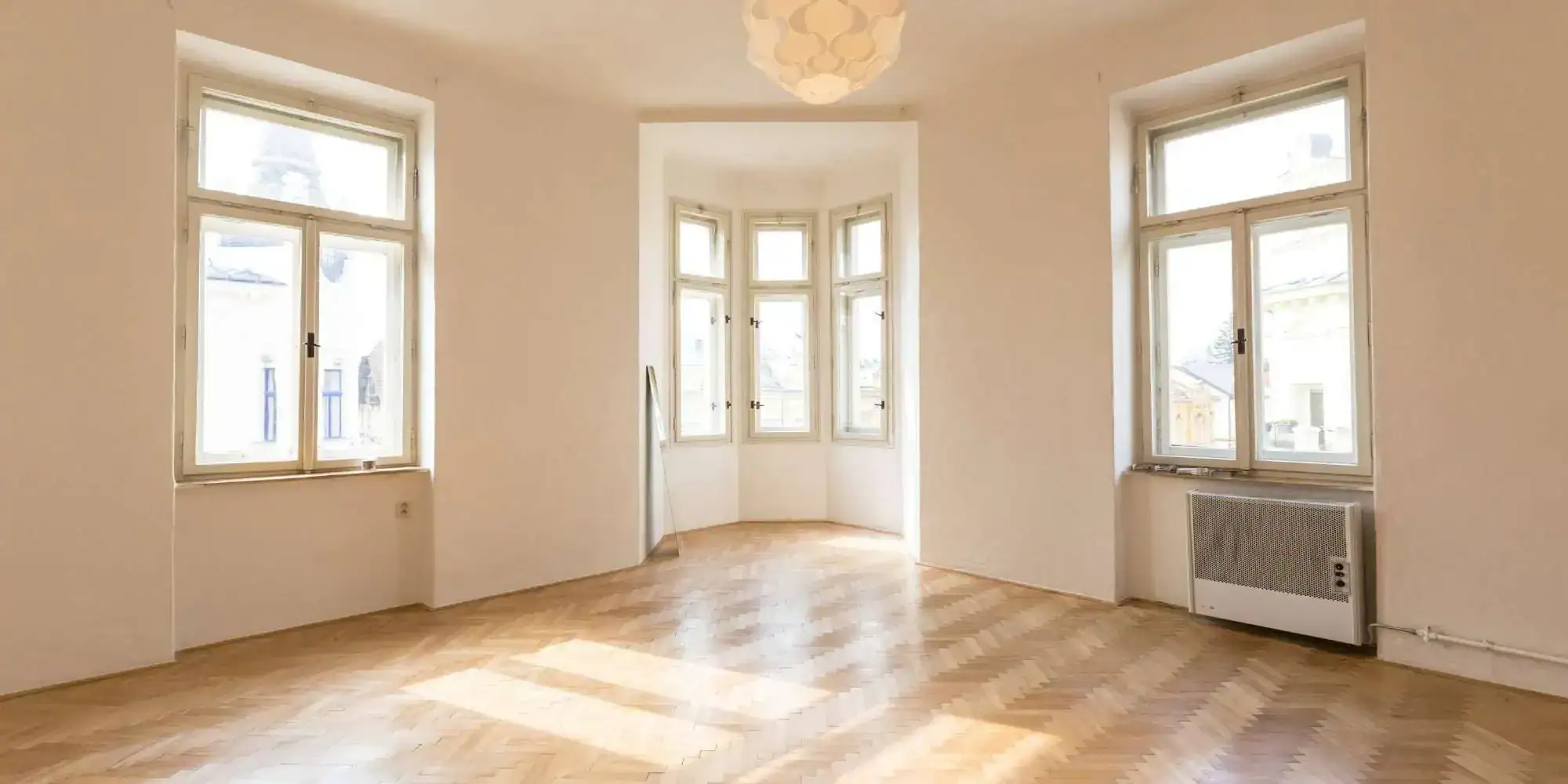
In Macomb County and Oakland County, where a significant portion of the housing stock was built between the 1950s and 1980s, prep work isn’t optional — it’s essential. Plaster walls, surfaces that have been painted over multiple times, and older drywall with settling cracks all require extra attention before any finish coat goes on. A painter who hasn’t worked with older homes regularly may not know what they’re looking at when they walk into a room like that. We do. It’s the kind of thing you only learn from years of actual experience, not just showing up with a roller.
The short version: the cheapest quote often isn’t the cheapest outcome. When you factor in repainting in two or three years instead of ten, the math shifts pretty quickly.
Southeast Michigan homeowners spend roughly four to five months of the year in genuinely low-light conditions. From November through March, natural daylight is limited, gray skies are the norm, and most rooms rely heavily on artificial lighting for the majority of the day. This matters more than most people realize when it comes to choosing interior paint colors.
A color that looks warm and inviting in a sun-drenched showroom or on a phone screen can read as flat, cold, or even slightly dingy in a north-facing living room in January. The reason is simple: paint colors shift dramatically depending on the light source. Natural light shows the truest version of any color. Incandescent bulbs add warmth and push yellows and reds. Fluorescent lighting tends to flatten colors and introduce a cool, slightly blue cast. LED lighting varies widely depending on the bulb’s color temperature.
The practical takeaway is this: never commit to a color based on a small chip or a digital swatch. Buy a sample, paint a large patch directly on the wall — at least a foot square — and look at it at different times of day and under different lighting conditions. What it looks like at noon with the blinds open is not what it will look like at 7 PM with your overhead lights on. Both versions are your reality, and your color needs to work in both.
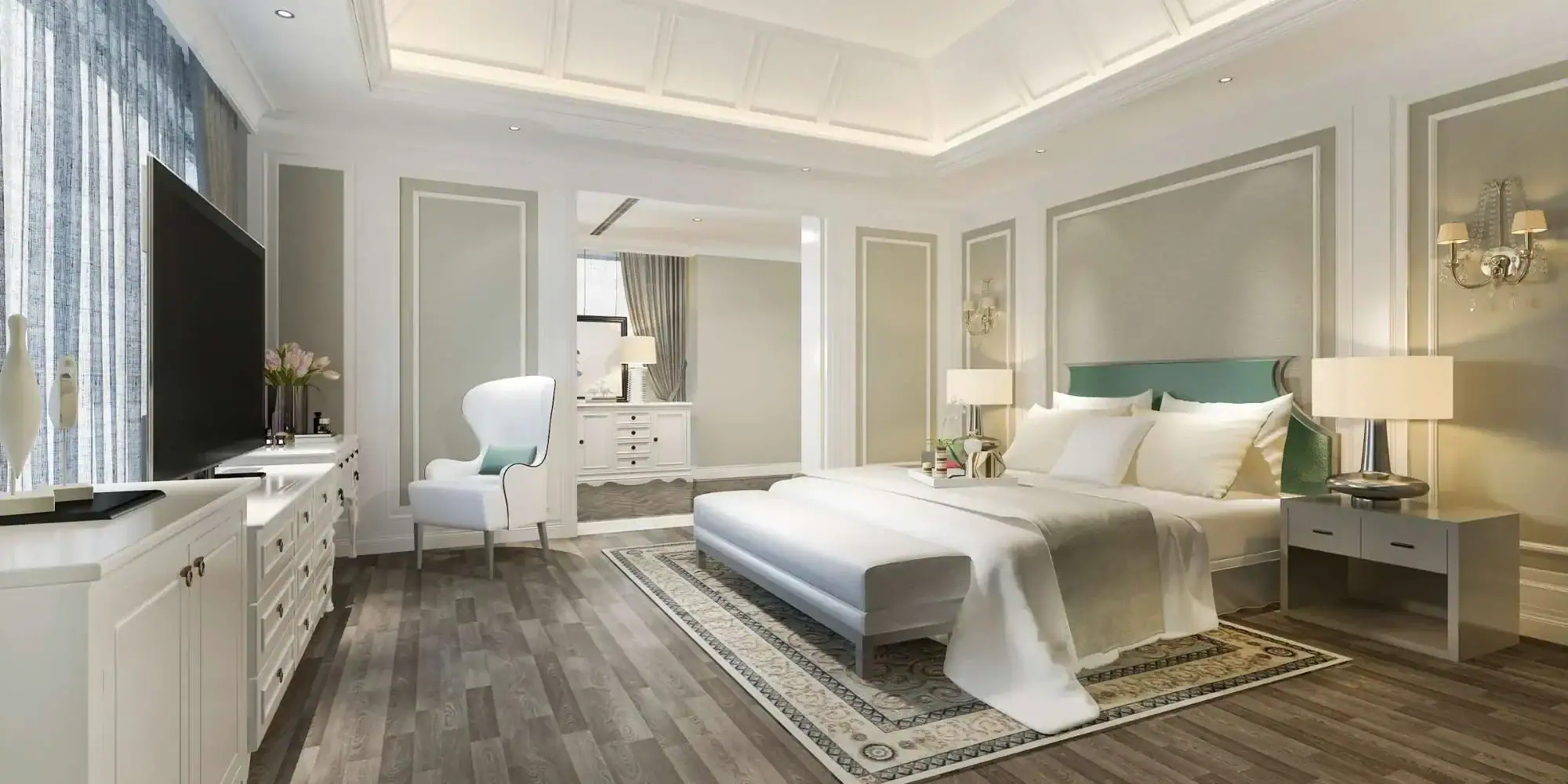
For rooms in older Macomb County and Oakland County homes that tend to run smaller or have fewer windows, warmer tones and finishes with a slight sheen — like eggshell or satin — can help bounce light around and make the space feel less closed in. It’s a small detail, but it makes a real difference in how a room feels to live in through a Michigan winter.
Want live answers?
Connect with a Legends Painting expert for fast, friendly support.
The finish — or sheen — of your paint determines how it reflects light, how easy it is to clean, and how long it holds up in different conditions. There are five main categories: flat/matte, eggshell, satin, semi-gloss, and high-gloss. Each one has a place, and putting the wrong finish in the wrong room is one of the most common — and most frustrating — mistakes homeowners make.
The general rule is straightforward: the higher the traffic and moisture exposure, the higher the sheen you want. Low-traffic spaces can handle flatter finishes. High-traffic or high-moisture spaces need something more durable and cleanable.

Flat and matte finishes are the go-to choice for ceilings and for walls in low-traffic rooms like bedrooms and formal dining rooms. They have the most pigment of any finish, which means excellent coverage and the ability to hide surface imperfections — small bumps, texture variations, old repair patches. The tradeoff is that they’re the hardest to clean without damaging the finish. Scrubbing a flat-painted wall too aggressively will leave a shiny spot where the sheen has been worn away.
Eggshell is the most popular finish for interior walls overall, and for good reason. It has just enough sheen to be wipeable without looking glossy, it applies evenly, and it works well in most living spaces — bedrooms, living rooms, hallways, and dining rooms. If you’re not sure what to use in a given room and it’s not a kitchen or bathroom, eggshell is usually the right answer.
Satin is a step up from eggshell in both sheen and durability. It’s the right call for rooms that see more action — kids’ rooms, hallways, playrooms, or any space where you’re going to be cleaning the walls more than occasionally. It holds up to scrubbing better than eggshell and still looks clean and intentional rather than industrial.
One thing worth knowing about both eggshell and satin: they can show application marks if not applied carefully. Roller lines, lap marks, and brush strokes are more visible in higher-sheen finishes than in flat paint. This is another reason why professional application matters — an experienced painter knows how to work with these finishes to get a smooth, even result.
Kitchens and bathrooms are the two rooms where finish selection matters most, and where getting it wrong causes the most visible problems. Both spaces deal with moisture, steam, grease, and frequent cleaning — conditions that will destroy a flat or matte finish within months.
Semi-gloss is the professional standard for kitchens, bathrooms, trim, doors, and cabinetry. It’s highly durable, moisture-resistant, and easy to wipe clean without losing its finish. The sheen is noticeable but not overwhelming, and it holds up to the kind of regular cleaning that kitchen and bathroom walls require. If you’ve ever seen paint in a bathroom that looks chalky, stained, or worn in patches near the shower — that’s almost always a flat or eggshell finish that wasn’t suited to the environment.
High-gloss is reserved for specific applications: accent trim, cabinetry, furniture, and decorative elements where you want maximum durability and a reflective finish. It’s not typically used on full walls because it reflects so much light that every surface imperfection becomes visible. On trim and doors, though, it’s excellent — it creates a clean, sharp look and holds up to years of handling and cleaning.
One detail that catches a lot of homeowners off guard: high-gloss and semi-gloss finishes make colors appear slightly darker than they look on the swatch. If you’re painting a kitchen with a semi-gloss and you want a specific shade of white or light gray, go a half-step lighter than you think you need. The sheen will do the rest.
For homeowners in Oakland County and Macomb County who are updating kitchens or bathrooms in preparation for sale — or just wanting a cleaner, more finished look — getting the finish right in these rooms is one of the highest-impact changes you can make without a full renovation.
The decisions that determine how good your paint job looks — and how long it lasts — happen before the first coat goes on. Choosing the right finish for each room, understanding how your home’s lighting will interact with your color choices, and making sure the walls are properly prepped: these are the things that separate a paint job you’ll love in ten years from one you’ll be redoing in two.
If you’re in Macomb County or Oakland County and you want a straight answer on what your home actually needs, that’s exactly what we do. We’ve been in the painting business for over 10 years, we work on everything from single rooms to full interiors, and we include all prep work in our quotes — no surprises, no add-ons after the fact.
Reach out to Legends Painting when you’re ready to talk through your project. We’re happy to take a look and give you an honest assessment of what it will take to get the result you’re after.
Article details:
Continue learning: