Summary:
Most people searching for an interior painter aren’t just looking for a quote. They’ve probably already been burned — by a lowball bid that turned into a mess, a crew that skipped prep, or a painter who disappeared after the deposit cleared. You’re not looking for the cheapest option. You’re looking for someone who will actually do it right.
This guide is for Macomb County homeowners who want honest answers: what interior painting actually costs, what the process should look like, how cabinet painting fits into the picture, and what separates a professional result from one that starts peeling in two years. Let’s get into it.
The honest answer is that interior painting costs vary — but not as wildly as some contractors would have you believe. For a full home interior in Macomb County, most homeowners pay somewhere between $3,500 and $10,000 depending on square footage, surface condition, and the number of rooms involved. A single 12-by-12 room typically runs $400 to $950 all in, with labor alone landing between $180 and $650 per room.
Labor is where most of the budget goes. Depending on the project, it accounts for 70% to 85% of the total cost — sometimes more. That’s not padding; it’s the reality of a skilled trade. The materials matter, but the hands applying them matter more. A painter who charges significantly less is almost always cutting somewhere — fewer coats, skipped prep, or a crew that moves fast and leaves problems behind.
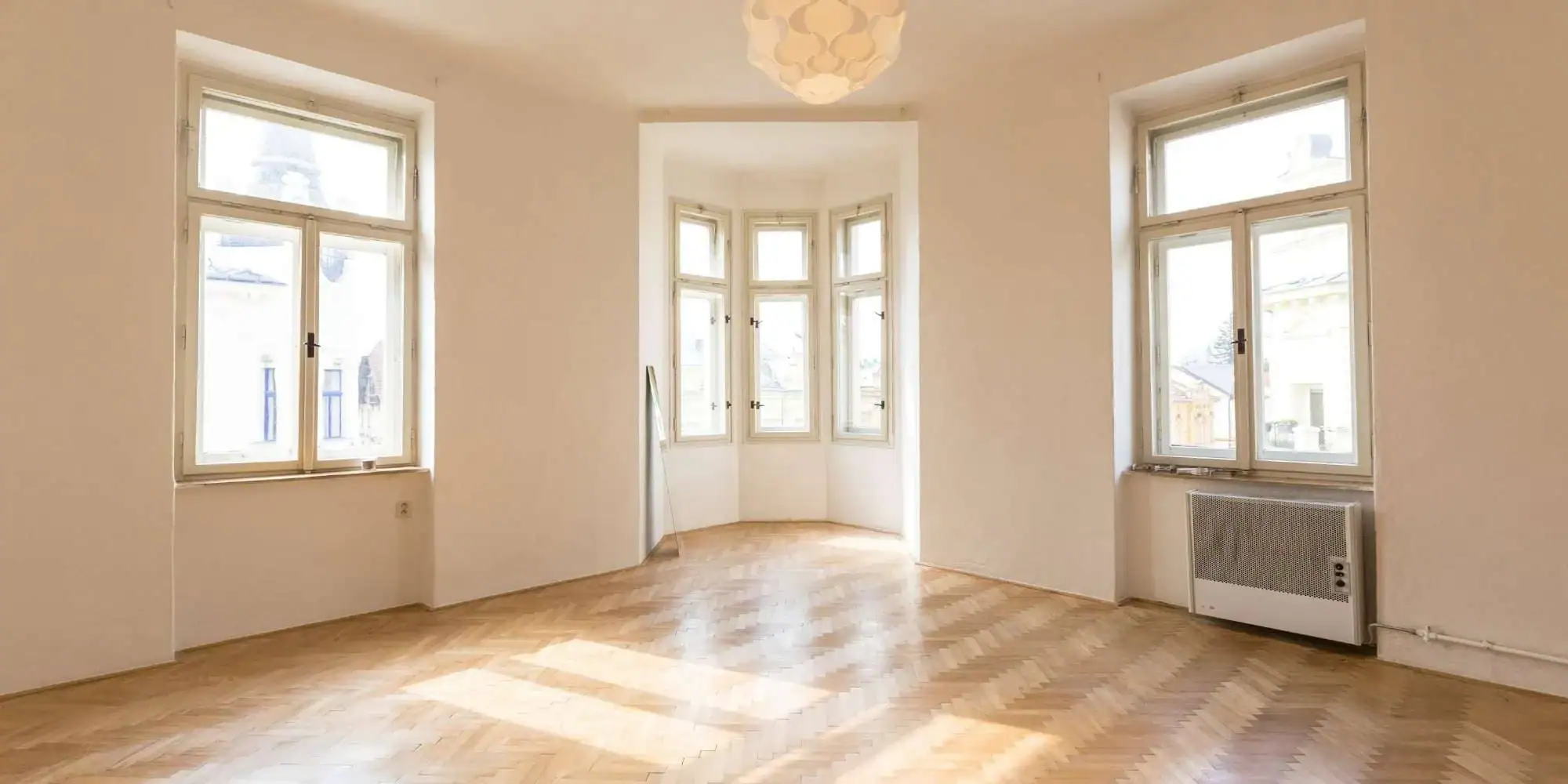
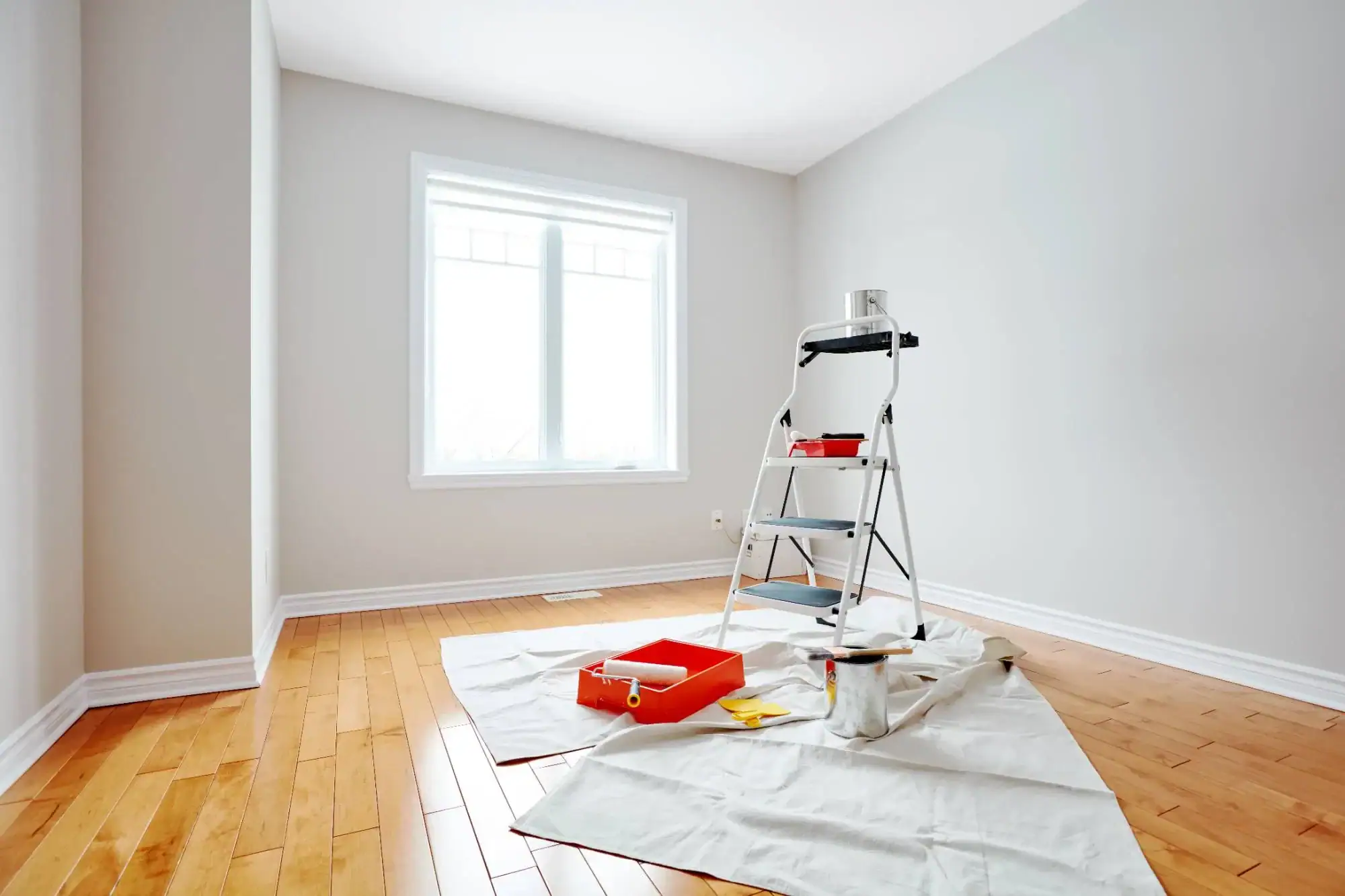
When you see a labor estimate, it’s easy to wonder what exactly you’re paying for beyond someone rolling paint on a wall. The answer is more than most people realize. A professional painter’s time covers surface inspection, cleaning, sanding, patching holes and cracks, priming bare spots, masking trim and fixtures, protecting floors and furniture with drop cloths, applying two full coats of paint, and doing a final walkthrough to catch anything that needs touching up. That’s a full day of skilled work — sometimes two — for a single room done properly.
The prep work is where quality is actually determined. Anyone can roll paint. Not everyone takes the time to sand down rough patches, fill nail holes, and prime the right surfaces before the color goes on. Skipping those steps saves an hour or two on the front end and costs you years on the back end. A paint job done with proper prep should last seven to ten years. One done without it can start failing in one to three — which means you’re paying for a repaint far sooner than you should be.
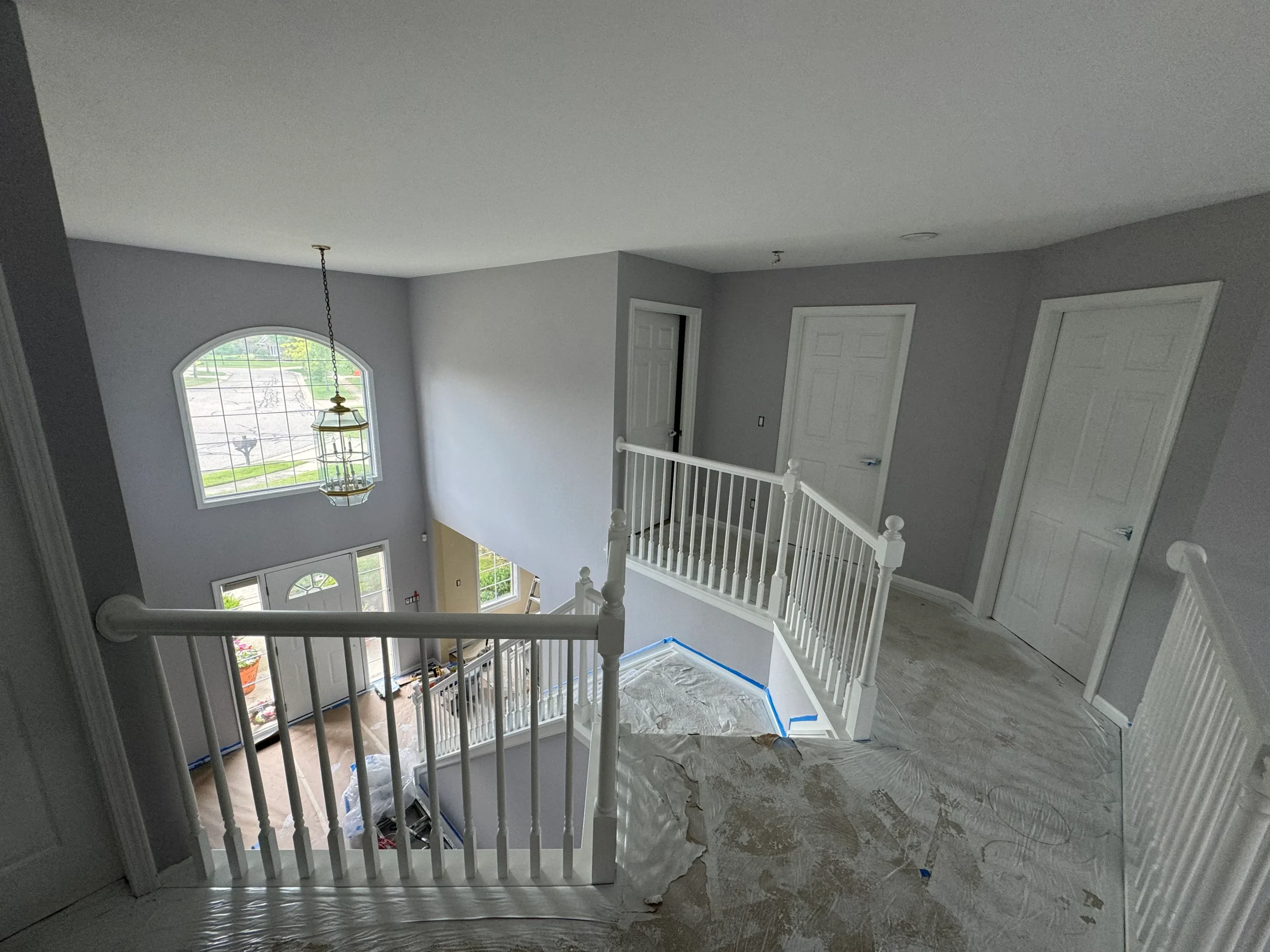
In Macomb County, a lot of homes along the M-59 corridor in Shelby Township and Utica — and throughout the older neighborhoods in Warren and Clinton Township — were built in the 1980s and 1990s. Those homes often have walls that have been painted over multiple times, surfaces with minor texture inconsistencies, and trim that needs careful masking. That’s not a problem; it’s just something we account for in the estimate. If a contractor walks through your home and gives you a number without mentioning prep, that’s worth asking about directly.
Adding the ceiling to a room estimate changes the math. Ceilings require their own prep, their own product (typically a flat finish to hide imperfections), and additional time for masking and cutting in around light fixtures and edges. For most rooms, adding the ceiling adds roughly $100 to $300 to the total, depending on ceiling height and condition.
A few other variables that affect the final number: the current condition of the walls matters a lot. Walls with significant damage — holes, water stains, or old texture that needs to be smoothed — take more prep time and sometimes drywall repair, which can add an average of $600 to the project. The number of colors you’re using matters too; switching between multiple colors in a single space means more masking, more careful cutting in, and more time. And the type of finish you choose for each surface has a small but real effect on material cost.
For a specific reference point: painting the interior of an 1,800 square foot house — a size that’s common in Sterling Heights, Macomb Township, and across much of Macomb County — typically falls in the $3,500 to $7,000 range depending on the factors above. That’s not a number to hold a contractor to without seeing your specific space, but it gives you a reasonable baseline to compare quotes against. If someone comes in dramatically below that range, ask them exactly what they’re including — and what they’re not.
Want live answers?
Connect with a Legends Painting expert for fast, friendly support.
Paint finish is one of those things most homeowners don’t think about until they’ve made the wrong choice — and then they really notice it. The sheen of a paint determines how it reflects light, how it wears over time, and critically, how easy it is to clean. Using the wrong finish in the wrong room is one of the most common mistakes, and it’s something we guide you on from the start.
The basic breakdown: flat and matte finishes are best for ceilings and low-traffic areas where you want to hide imperfections. Eggshell is the go-to for bedrooms and living rooms — it has a soft, subtle sheen that’s more washable than flat but doesn’t highlight wall texture the way a shinier finish would. Satin steps up from there and works well in hallways, kids’ rooms, and kitchens. Semi-gloss is the standard for trim, doors, and bathrooms because it holds up to moisture and wipes clean easily. High-gloss is reserved for cabinets and surfaces that need to be durable above all else.
Here’s where a lot of homeowners run into trouble: they pick a color they love and don’t think about the finish until they’re standing at the paint counter. The finish affects the final look just as much as the color does. A deep navy in flat finish looks completely different from the same color in satin — and behaves completely differently on the wall over time.
In kitchens, the finish question is especially important. Flat paint in a cooking space will absorb grease, moisture, and splatter and become nearly impossible to clean without damaging the surface. A satin or semi-gloss finish in the same space wipes clean easily and holds up to the humidity that comes with cooking. The same logic applies to bathrooms, laundry rooms, and any other area that sees moisture regularly.
For Macomb County homes, Michigan’s climate adds another layer to this conversation. The humidity that comes with being close to Lake St. Clair — particularly in communities like St. Clair Shores and Harrison Township — can affect how paint performs in spaces that aren’t well-ventilated. Choosing the right finish and the right product for those conditions isn’t just an aesthetic decision; it’s a durability one. We factor local climate conditions into our product recommendations, not just default to whatever’s cheapest on the shelf.
Not every painter who takes on cabinet work has the equipment or experience to do it well. Spray application requires specific tools and a controlled environment; grain filling requires knowledge of wood species and primer behavior; high-performance enamel requires understanding of cure times and topcoat compatibility. When you’re vetting cabinet refinishing companies, ask directly about their process — not just their price.
Specifically: Do they remove the doors or paint them in place? Do they spray or brush? What primer do they use on previously finished surfaces? How long do they let each coat dry before applying the next? The answers will tell you quickly whether you’re talking to someone who knows cabinet work or someone who treats it like wall painting with a different substrate.
The right interior painter for your Macomb County home isn’t necessarily the one with the lowest bid. It’s the one who gives you a clear, itemized estimate before work starts, explains their prep process without being asked, and stands behind the result. Those things matter more than price in the long run — because a paint job done right should last seven to ten years, and one done wrong will cost you again long before that.
We’re Legends Painting, a family-owned painting contractor serving 60-plus cities across Macomb County and the surrounding area. We’ve been in the painting trade for over 10 years, and we built this business around two things: doing the work right and being straight with people about what it involves and what it costs. If you’re ready to get a real estimate — detailed, honest, and back to you within 24 hours — reach out to Legends Painting and let’s talk about your project.
FAQ 1: Q: How much does it cost to refinish kitchen cabinets in Macomb County? A: Professional cabinet painting in Macomb County typically runs $425 to $1,466 for most kitchens, with the average landing around $941. Full refinishing — stripping and restaining rather than painting — can run higher depending on the wood species and the condition of the existing finish. Either way, it’s a fraction of what full cabinet replacement costs, which starts around $3,200 and can exceed $20,000 for a full kitchen. For the large number of Macomb County homes with 1980s and 1990s oak cabinetry, cabinet painting is one of the highest-value updates you can make without touching the layout.
FAQ 2: Q: Can you paint oak kitchen cabinets, and will they look good? A: Yes — and when done correctly, the results are genuinely impressive. The key step that separates a professional oak cabinet paint job from a DIY attempt is grain filling. Oak has an open grain that will show through paint if you skip this step, leaving a textured finish that looks unfinished rather than updated. A professional process — grain filling, bonding primer, and high-performance enamel applied by spray — produces a smooth, factory-like finish in white, greige, or any other color. In Macomb County, where oak cabinets are extremely common in homes built along the M-59 and Van Dyke corridors in Shelby Township, Sterling Heights, and Utica, this is one of the most requested transformations we do.
FAQ 3: Q: What paint finish should I use for interior walls? A: It depends on the room. Eggshell works well for bedrooms and living rooms — it has enough sheen to be washable but doesn’t highlight wall imperfections the way satin or semi-gloss would. Satin is better for kitchens, hallways, and kids’ rooms where the walls take more abuse. Semi-gloss belongs on trim, doors, and in bathrooms. Flat or matte is best reserved for ceilings. If you’re not sure what’s right for a specific space, we’ll walk you through it before the project starts — not after the paint is already on the wall.
FAQ 4: Q: How do I know if a painter is doing proper prep work? A: Ask before they start. A painter who is doing the job right will clean the surfaces, sand where needed, fill holes and cracks, and prime bare spots before any color goes on. They’ll protect your floors and furniture with drop cloths and mask trim and fixtures carefully. If a contractor gives you a quote without mentioning prep — or if they can’t explain what prep they’re including — that’s worth pressing on. The prep is where the quality of a paint job is actually determined. Everything else is just application.
Article details:
Continue learning: