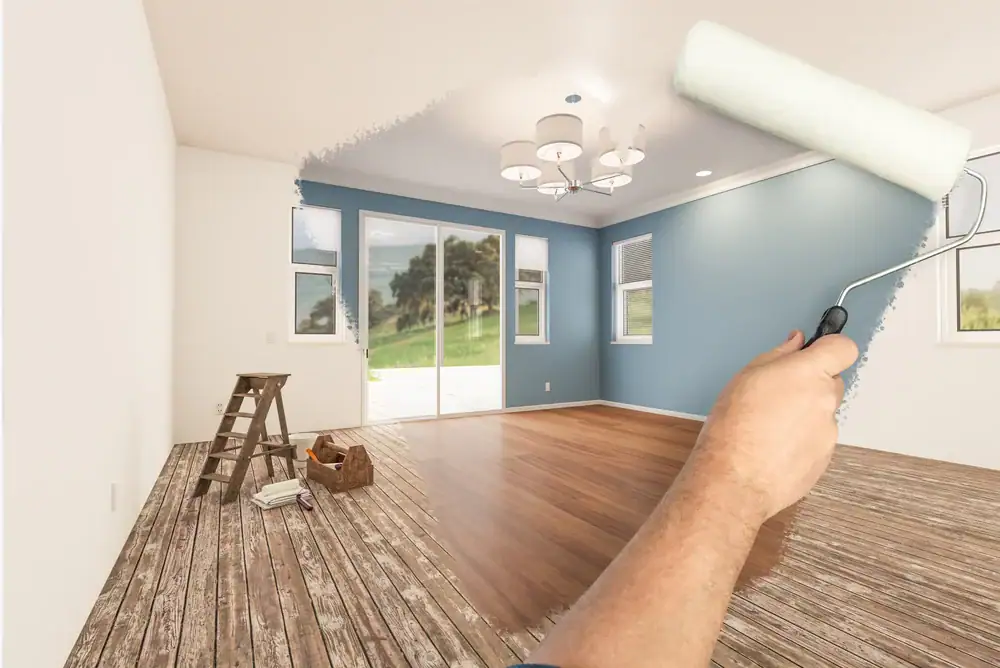
Crown molding is making a comeback in 2026, but not the way you remember. Modern trends favor clean lines and strategic color choices that work for both commercial and residential spaces.

Summary:
Crown molding isn’t dead. It’s just gotten smarter. The ornate, dust-collecting profiles that dominated the ’90s and early 2000s have given way to something more refined—clean lines that add architectural interest without overwhelming a space. Whether you’re managing a commercial property in Oakland County or updating your home’s interior, the trim and molding trends shaping 2026 are about intentional design that actually serves a purpose. You’re not looking for something trendy that’ll feel dated in two years. You want details that elevate your space now and hold their value when it matters. Let’s talk about what’s actually working in both commercial painting and residential painting projects across Michigan.
Walk into a room with well-executed trim work and you feel it immediately. There’s a sense of completion, of intention, that flat walls and ceilings just don’t deliver. Crown molding and trim create visual boundaries that help your eye understand a space. They add dimension. They signal that someone cared enough to finish the details.
For commercial spaces, this matters more than you might think. A polished office or retail environment communicates professionalism before anyone says a word. For residential properties, it’s about creating a home that feels custom rather than builder-grade. The difference isn’t always something people can articulate, but they notice it.
The key is understanding that 2026’s approach to trim isn’t about adding ornamentation for its own sake. It’s about using clean, minimal profiles that frame a space without competing with it. Simple cove molding, stepped profiles with one or two subtle layers, or even painted trim in strategic contrast colors—these are the details that make spaces feel intentionally designed rather than just painted.

The crown molding making waves in 2026 doesn’t announce itself when you walk into a room. It’s there, doing its job, creating that finished look without demanding attention. Think simple cove molding—a clean, angled piece that sits where wall meets ceiling. No frills, no fuss, just a crisp line that adds architectural interest.
Stepped profiles are having a moment too, particularly in commercial painting projects where you want something beyond basic but not overly decorative. These feature one or two simple layers that create subtle shadow lines. They’re easy to clean, which matters in high-traffic commercial environments, and they photograph well, which matters when you’re trying to lease office space or attract customers to a retail location.
For spaces where you want a more substantial presence—think executive offices, upscale residential dining rooms, or boutique retail environments—the full build-up approach works beautifully. This involves using a riser to close the gap between the top of your molding and the ceiling, making the trim look like it’s part of the architecture rather than something added later. It creates a custom, high-end appearance without requiring ornate profiles.
The beauty of these minimalist approaches is their versatility. They work in contemporary commercial buildings with clean lines and modern furnishings. They work in traditional residential spaces where you want to honor the home’s character without feeling stuck in the past. And they work in Michigan’s mix of architectural styles, from mid-century modern homes in Oakland County to historic properties throughout Macomb County.
What you’re seeing in successful painting projects is a focus on proportion and placement rather than complexity. The molding should feel appropriate to the room’s scale. In spaces with 8-foot ceilings, a simple profile keeps things from feeling cramped. In rooms with higher ceilings, you have more flexibility to go slightly larger without overwhelming the space. We understand these relationships and help you choose profiles that work with your specific property.
The days of defaulting to bright white trim are over. Don’t get me wrong—white trim still works in plenty of applications. But 2026 is bringing more intentional color choices that create different effects depending on what you’re trying to accomplish with your space.
Color drenching is one of the biggest trends we’re seeing in both residential painting and commercial painting. This technique involves painting your walls, trim, and ceiling the same color to create a cohesive, enveloping effect. It makes rooms feel larger because your eye doesn’t stop and start at color breaks. It’s particularly effective in smaller commercial spaces like boutiques or office conference rooms, and in residential bedrooms or home offices where you want a calm, focused environment. The key is choosing colors with enough depth to be interesting—think warm taupes, soft sage greens, or muted blues—rather than flat white or beige.
On the opposite end, high-contrast trim is making a strong showing, especially in commercial environments where you want to make a statement. Painting trim black or charcoal against lighter walls creates crisp, defined lines that feel modern and intentional. This works beautifully in retail spaces where you want architectural details to pop, in contemporary office buildings, and in residential spaces with strong design direction. The contrast hides imperfections better than you’d think, and it ages well because it’s a deliberate choice rather than trying to match colors perfectly.
Then there’s the subtle contrast approach—using trim colors that are a few shades lighter or darker than your wall color rather than stark white. This creates gentle definition without the hard lines of high contrast. It’s sophisticated, it photographs well for property listings or commercial marketing, and it works across different lighting conditions, which matters in Michigan where natural light changes dramatically between seasons.
For commercial painting projects specifically, your trim color choices should align with your brand identity and the impression you want to create. Professional services firms often lean toward classic combinations that communicate stability. Creative industries might embrace bolder contrasts. Retail environments need to consider how trim colors interact with product displays and signage.
In residential painting, you’re thinking about how trim colors affect the mood of different rooms and how they’ll photograph if you’re planning to sell in the next few years. Warm neutrals with cream or greige trim appeal to the broadest range of buyers. Bolder choices work well in spaces where you spend time but won’t turn off future buyers—think home offices or secondary bedrooms rather than main living areas.
The practical side matters too. In Michigan’s climate, your paint needs to handle temperature swings and humidity changes. Quality products formulated for our weather conditions prevent the cracking and peeling that happens when trim paint can’t flex with the building’s natural movement through freeze-thaw cycles. We specify materials based on performance, not just color.
Want live answers?
Connect with a Legends Painting expert for fast, friendly support.
You can spot quality trim work from across a room, even if you’re not sure what you’re looking at. The corners meet perfectly. The lines are crisp. The paint coverage is even, with no visible brush marks or gaps. It looks like it’s always been there, which is exactly the point.
The difference between acceptable trim work and exceptional trim work comes down to preparation and attention to detail. Proper installation means precise measurements and clean cuts, especially at corners where molding meets. Quality painting means filling any gaps or nail holes, sanding smooth, priming appropriately, and applying finish coats with care.
In commercial painting projects, this level of detail signals professionalism to everyone who walks through your space. In residential painting, it’s what separates a DIY-looking job from something that adds real value to your property. Michigan’s real estate market is competitive enough that these details matter when you’re ready to sell.

Here’s what most people don’t see but absolutely should care about: the work that happens before any paint touches your trim or crown molding. This preparation phase determines whether your paint job looks good for two years or ten years, and in Michigan’s demanding climate, that difference matters more than in most places.
Surface preparation starts with inspection. Any existing trim needs to be checked for damage, loose sections, or areas where previous paint is failing. Wood trim can develop cracks or separations at joints, especially in older homes common throughout Macomb County and Oakland County. These issues need addressing before paint goes on, or you’re just covering problems that’ll show up again soon.
Cleaning comes next. Trim collects dust, grease from cooking in kitchens, soap residue in bathrooms, and general grime from years of use. Paint doesn’t adhere properly to dirty surfaces. Period. We know this and take the time to clean thoroughly before doing anything else. In commercial spaces with high traffic, this step is even more critical.
Filling and sanding create the smooth surface that makes finished trim look professional. Every nail hole gets filled. Any gaps where trim meets wall or ceiling get caulked. Previous paint drips or imperfections get sanded down. This is tedious work that takes time, which is exactly why some contractors skip it or rush through it. We don’t skip it, which is why our work still looks good years later.
Priming serves multiple purposes in Michigan’s climate. It creates a uniform base for your finish coats, which means better color coverage and consistency. It seals the surface, which is particularly important on wood trim that can absorb moisture during our humid summers. And it provides better adhesion for your topcoat, which matters when temperature swings cause materials to expand and contract through freeze-thaw cycles.
The finish coats themselves require patience. Rushing the drying time between coats leads to problems. Applying paint too thick creates drips and uneven surfaces. Not using enough coats leaves thin coverage that won’t hold up to cleaning or wear. We understand these timing and application details because we’ve seen what happens when you get them wrong.
For commercial painting projects, there’s an additional consideration: minimizing disruption to business operations. We can work in sections, protecting areas not being painted and cleaning up thoroughly at the end of each work period so your business can continue functioning. We understand that in a commercial environment, time is money, and a project that drags on unnecessarily costs you more than just the painting bill.
Let’s be honest about DIY trim painting. If you’re handy, have the right tools, and aren’t in a hurry, you can probably handle painting existing trim in good condition. What you can’t easily replicate is the efficiency and finish quality that comes from experience, and you definitely can’t match the results when it comes to installation and painting of new crown molding.
Crown molding installation requires precise angle cuts, especially at corners and where walls meet at anything other than 90 degrees. Getting these angles wrong means gaps that no amount of caulk can hide convincingly. It requires specialized tools—compound miter saws, nail guns, and sometimes scaffolding or tall ladders for high ceilings. And it requires understanding how to work with different materials, from traditional wood to modern synthetic options.
The painting aspect of trim work is deceptively difficult. Cutting clean lines where trim meets walls or ceilings takes a steady hand and the right technique. Getting smooth, even coverage without visible brush marks requires good brushes and knowing how to use them. And doing all of this efficiently, without spending your entire weekend on one room, comes from repetition that DIYers simply don’t have.
For residential painting projects, the decision often comes down to your timeline and opportunity cost. Can you do it yourself? Probably, if you’re patient and willing to learn. Will it take you three weekends to do what we could finish in a day or two? Almost certainly. Is your time worth more than the cost difference? That’s the real question.
In commercial painting situations, DIY isn’t really an option. You need licensed, insured professionals who can work efficiently, meet timelines, and deliver results that reflect well on your business. You need people who understand commercial building codes and can work around business operations without creating safety issues or unnecessary disruptions.
The quality difference also matters more in commercial environments. A slightly imperfect paint line in your home office might not bother you. That same imperfection in a client-facing space communicates a lack of attention to detail that can affect how people perceive your business. Professional painting services exist specifically to deliver the level of finish that commercial properties require.
Even in residential settings, there are situations where professional help makes sense regardless of your DIY skills. If you’re preparing to sell your home, professional painting typically delivers better results and can be completed on a timeline that aligns with your listing date. If you’re dealing with older trim that needs repair or preparation work beyond basic cleaning, we have the experience to handle those issues correctly. And if you simply don’t have the time or interest in spending weekends on ladders with a paintbrush, there’s no shame in hiring someone whose job this is.
What you’re really paying for with professional painters isn’t just the paint on the wall. You’re paying for experience that prevents mistakes, efficiency that saves you time, and results that look polished rather than homemade. You’re paying for someone who knows which products work in Michigan’s climate and won’t fail after one winter. And you’re paying for accountability—if something isn’t right, you have someone who will make it right.
The crown molding and trim trends shaping 2026 aren’t about chasing what’s popular on social media. They’re about making intentional choices that add real value to your property while creating spaces that feel polished and complete. Clean, minimal profiles work across different architectural styles. Strategic color choices create the mood and visual impact you’re after. And quality execution ensures your investment holds up through Michigan’s demanding seasons.
Whether you’re updating a commercial building or refreshing your home’s interior, the details matter. The preparation work that happens before paint touches trim. The products chosen based on performance in our climate, not just color. The precision that creates clean lines and smooth finishes. These aren’t complicated concepts, but they make the difference between work that looks good for a year and work that still looks professional five years from now.
If you’re ready to update your trim and crown molding with an approach that balances current trends with lasting quality, we bring over 10 years of painting experience to both commercial and residential projects throughout Macomb County and Oakland County. Quality work and competitive pricing aren’t mutually exclusive when you’re working with people who understand that your satisfaction today leads to your referral tomorrow.
Article details:
Continue learning: