Michigan homeowners are ditching expensive kitchen renovations for cabinet refinishing—a residential painting solution delivering brand-new kitchens at 78% less cost in 2026.
Summary:
Your kitchen cabinets are structurally sound. The layout works. But every time you walk in, you see outdated oak, tired white, or that builder-grade finish from 2005. You’ve checked replacement costs—$15,000, $25,000, even $40,000 for what you actually want. That’s when most Michigan homeowners start looking at cabinet refinishing, and they’re discovering something the residential painting industry has known for years: you can get a completely transformed kitchen without ripping everything out. In 2026, cabinet refinishing isn’t just popular—it’s the smartest move you can make. Here’s what’s driving the trend and what you need to know before you start.
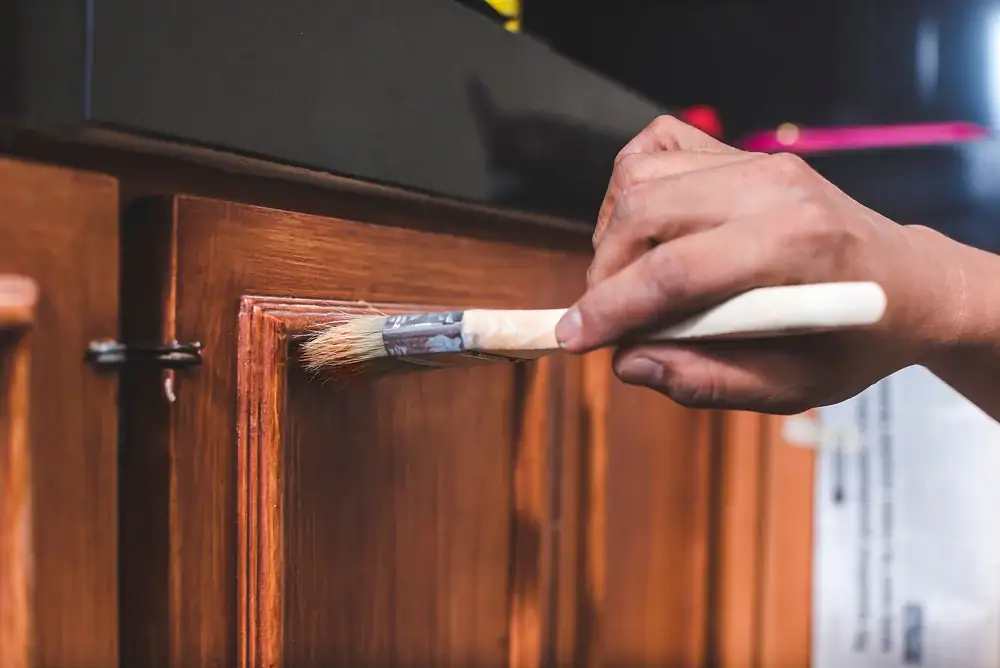
Cabinet refinishing updates your existing cabinets by changing their surface appearance—new color, new finish, same solid bones. The process keeps your cabinet boxes, frames, and structure intact while transforming what you see every day. For Michigan homeowners dealing with structurally sound but aesthetically outdated kitchens, it’s a faster, cleaner, and dramatically more affordable alternative to replacement.
The numbers tell the story. Full cabinet replacement in Michigan runs between $15,000 and $40,000 depending on materials and kitchen size. Cabinet refinishing typically costs $3,000 to $8,000 for professional work. That’s not a small difference—it’s 50% to 85% less, and you’re getting 70% to 90% of the visual impact of brand-new cabinets.
Refinishing makes sense when your cabinet boxes are sturdy, your layout functions well, and you simply want a style update. If your cabinets are structurally failing, warped, or you need to change the kitchen layout, replacement becomes necessary. But for the majority of Michigan homes built in the last 20-30 years, those cabinets were built better than what you can buy today at any price, and refinishing lets you keep that quality while getting the look you want.
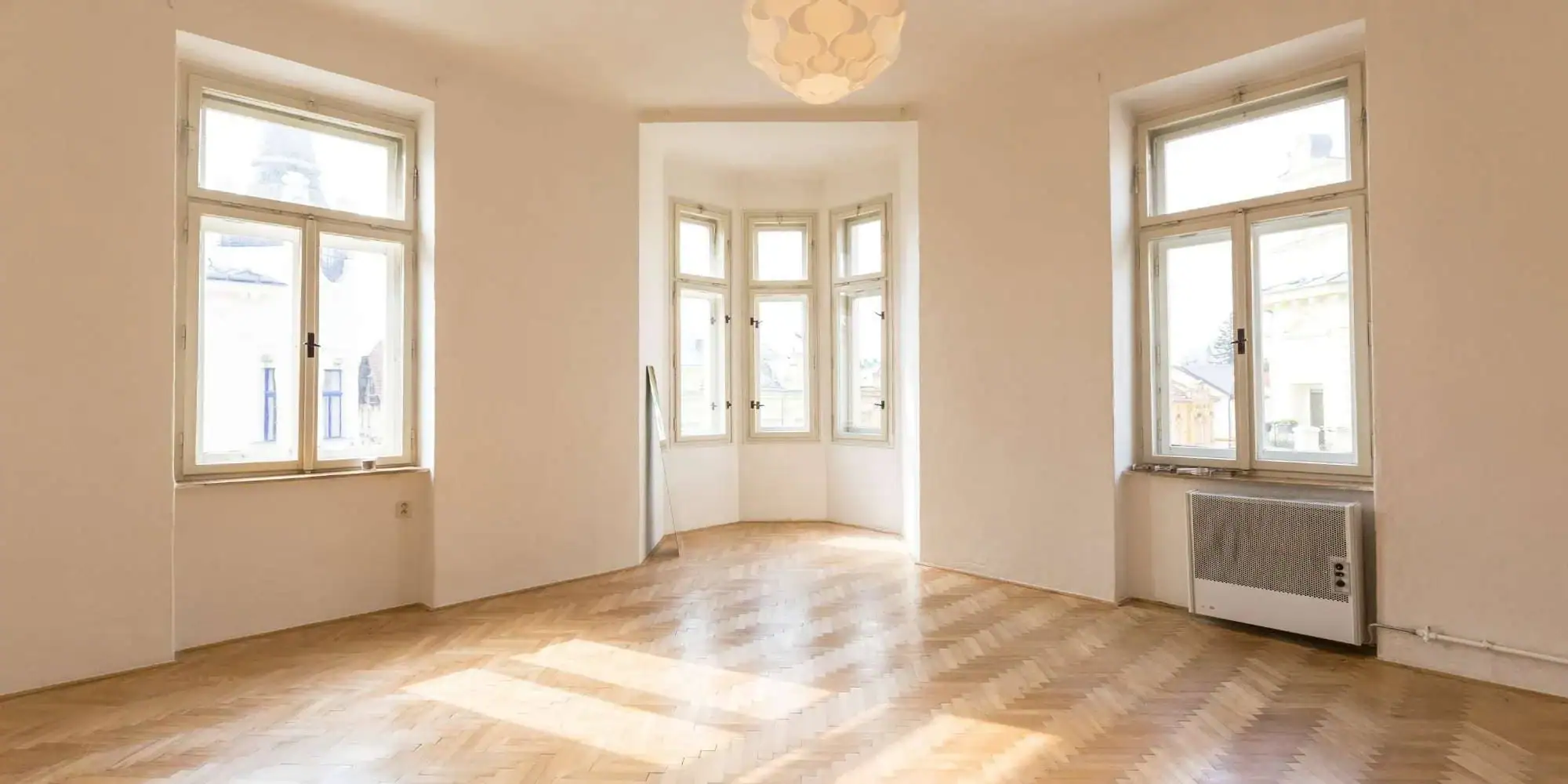
Professional cabinet refinishing follows a systematic process that separates lasting results from DIY failures. Understanding what’s involved helps you evaluate contractors and set realistic expectations for your project.
The process starts with a thorough assessment. A professional residential painting contractor examines your cabinets’ condition, material type, and current finish. Not all cabinets are good candidates—laminate and thermofoil require different approaches than wood. This evaluation determines whether refinishing, refacing, or replacement makes the most sense for your specific situation.
Next comes preparation, which is the most critical phase. Cabinets get removed from the kitchen and taken to a controlled environment for proper work. All hardware comes off. Surfaces get cleaned to remove years of grease, cooking residue, and grime that prevent new finishes from adhering. Then comes sanding—not just a quick pass, but methodical surface prep that creates the right profile for paint or stain to bond properly.
If you’re going darker or making a dramatic color change, primer application comes next. Going from dark to light requires even more prep—sometimes multiple primer coats to prevent the old color from bleeding through. This is where inexperienced contractors cut corners, and it’s why some refinishing jobs start showing problems after six months.
The finish application is where skill matters most. Professional-grade paints formulated for cabinets—not wall paint—get applied in thin, even coats. Most projects need at least two finish coats, sometimes three depending on the color and coverage. Each coat needs proper drying time. Rushing this phase leads to soft finishes that chip, scratch, or show brush marks.
Finally, everything gets reassembled. New hardware often goes on at this stage, which dramatically enhances the transformation. Doors get rehung with proper alignment. Drawers slide smoothly. The kitchen that looked tired two weeks ago now looks like it belongs in a 2026 design magazine, and you didn’t have to live without a functional kitchen for two months while contractors demolished and rebuilt everything.
Michigan’s climate adds another layer to this process. Humidity affects drying times. Temperature swings impact how finishes cure. We understand these variables and adjust our process accordingly. That’s why hiring someone with specific experience in Michigan cabinet work matters—they know what products perform in our conditions and how to time the work for optimal results.
The terms refinishing, refacing, and replacement get used interchangeably, but they’re three distinct approaches with very different price points and outcomes. Knowing the difference helps you have productive conversations with contractors and make the right choice for your budget and goals.
Cabinet refinishing is the most budget-friendly option, typically costing $3,000 to $8,000 for professional work in an average Michigan kitchen. This process keeps everything you have—boxes, doors, drawer fronts—and updates only the surface finish. You’re getting new paint or stain applied to your existing cabinet components. The result is a dramatic color change and updated appearance, but the door style, hardware, and cabinet interiors stay the same unless you choose to upgrade those separately. Refinishing works best when you like your current door style and just want a fresh, modern color. The project usually wraps up in 3-7 days once materials are ready, making it the fastest option.
Cabinet refacing is the middle ground, costing $7,000 to $15,000 on average. This process replaces your cabinet doors and drawer fronts entirely with new ones in your chosen style and finish. The cabinet boxes stay in place, but they get covered with a matching veneer to coordinate with the new doors. Refacing lets you change door styles—going from raised panel to shaker, or from traditional to flat panel modern—while keeping your existing layout. You can also upgrade to soft-close hinges, add pull-out shelves, or install other functional improvements. The transformation is more complete than refinishing, and the project typically takes 5-10 days. Refacing makes sense when you want a different door style or need to upgrade cabinet functionality, but your boxes are solid and your layout works.
Cabinet replacement is the most expensive option, starting around $15,000 and easily reaching $40,000 or more for custom work in larger kitchens. This involves completely removing your existing cabinets and installing new ones. Replacement is necessary when cabinet boxes are failing, water-damaged, or structurally unsound. It’s also the right choice when you need to change your kitchen layout, add storage in different locations, or accommodate new appliances that don’t fit your current configuration. The project disrupts your kitchen for 4-8 weeks minimum, often longer if there are delays with materials or if plumbing and electrical work is involved.
For Michigan homeowners, the math is compelling. A refinishing project at $5,000 delivers a kitchen that looks 70-90% as good as a $30,000 replacement. You’re saving $25,000 that can go toward new appliances, updated lighting, a better backsplash, or simply staying in your budget. That’s why refinishing has become the hottest trend in residential painting—it’s not about settling for less, it’s about being smart with your investment and getting maximum impact for your dollar.
The return on investment matters too. Cabinet refinishing typically returns 80-100% of your investment when you sell your home. Full replacement returns just 50-70%. Buyers see an updated kitchen either way, but you’ve kept significantly more money in your pocket with refinishing.
Want live answers?
Connect with a Legends Painting expert for fast, friendly support.
Kitchen design trends shift every few years, and 2026 has brought a dramatic change that’s keeping residential painting contractors busy across Macomb County and Oakland County. The all-white kitchen that dominated for the past decade is officially over. Homeowners want warmth, character, and natural materials—and cabinet refinishing is the fastest way to get there.
Wood tones have overtaken white as the top cabinet choice in 2026. White oak leads the trend with its subtle grain pattern, smooth finish, and warm undertones that create brightness without the sterile feel of painted white. Brown-toned cabinets are making a major return too—walnut-inspired stains, chocolate tones, and earthy mid-browns that bring richness and coziness to kitchens.
Two-tone designs continue growing in popularity, but the approach has gotten quieter and more controlled. Instead of stark contrasts, homeowners are choosing one accent move—a wood-toned island with lighter perimeter cabinets, or darker lowers paired with white oak uppers. The key is restraint. One contrast move feels designed; three contrast moves feels indecisive.
The finish you choose matters as much as the color, and 2026 trends heavily favor matte and low-sheen surfaces over high-gloss options. Matte finishes feel sophisticated, hide fingerprints better, and create a softer, more inviting look—especially important in kitchens designed for everyday living with kids, pets, and real life happening. High-gloss cabinetry that dominated in the 2010s now reads as dated and overly polished.
Color-wise, the shift toward warmth is unmistakable. Stark white is being replaced by warmer neutrals like Melodious Ivory and champagne-toned off-whites that feel cozy rather than clinical. For homeowners who still want light cabinets, these warmer whites complement Michigan’s natural light patterns better and age more gracefully than pure white, which shows every scuff and tends to yellow over time.
On the darker end, rich greens have emerged as a top choice. Deep jade, smoky sage, and forest green tones bring nature indoors and pair beautifully with natural wood accents and brass or matte black hardware. These colors work especially well on islands or lower cabinets in two-tone designs, creating a grounded focal point without overwhelming the space.
Charcoal and deep espresso remain popular for homeowners who want drama and sophistication. These darker tones hide wear better than lighter colors and create a high-end look that photographs well—important for anyone thinking about resale in the next few years. The key is balancing dark cabinets with adequate lighting and lighter countertops or backsplashes to prevent the kitchen from feeling cave-like.
Hardware trends complement these finishes. Brushed brass, matte black, and champagne bronze have replaced the shiny chrome and brushed nickel that dominated for years. The hardware should feel like part of the material palette, not a separate design trick. Wider, easier-grip pulls are replacing small knobs, improving both function and aesthetics.
For Michigan homeowners working with residential painting contractors on cabinet refinishing, these trends create clear direction. You’re not just picking a color you like—you’re choosing finishes that align with where design is heading, which protects your investment and ensures your kitchen doesn’t look dated in three years. We stay current on these trends and can guide you toward choices that balance personal preference with lasting appeal.
Michigan’s weather isn’t just tough on exterior paint—it creates specific challenges for cabinet finishes too, and this is where professional residential painting expertise matters most. Your kitchen experiences temperature swings, humidity fluctuations, and moisture exposure that can destroy improperly applied finishes within months.
Winter heating dries out indoor air, causing wood to contract slightly. Summer humidity makes wood expand. This constant movement stresses cabinet finishes, and if the paint or stain wasn’t applied with proper flexibility and adhesion, you’ll see cracking, peeling, or separation at joints and edges. Professional-grade cabinet paints formulated for Michigan conditions include flexibility agents that move with the wood rather than fighting against it.
Moisture is the bigger enemy. Cooking generates steam and grease particles that settle on cabinet surfaces. Without proper surface preparation and the right finish products, this moisture works its way under poorly bonded paint, causing bubbling and delamination. You’ll see it first near the stove and sink—the highest-moisture areas in your kitchen.
This is why taking cabinets off-site to a controlled environment matters. Temperature and humidity need to stay within specific ranges during application and curing. A contractor working in your kitchen can’t control these variables, especially during Michigan’s temperature extremes. Professional shops maintain consistent conditions that let finishes cure properly, creating the hard, durable surface that stands up to daily use.
The products matter too. Box store cabinet paint kits might save money upfront, but they’re not formulated for the durability Michigan kitchens demand. We use conversion varnish, catalyzed lacquers, or high-performance urethanes that create factory-grade finishes. These products cost more and require specific application techniques, but they’re what separates a refinishing job that lasts 10+ years from one that starts showing problems after 18 months.
Proper surface preparation is non-negotiable in Michigan’s climate. Grease and cooking residue must be completely removed—not just wiped down, but chemically cleaned and deglossed. Surfaces need proper sanding to create mechanical adhesion. If you’re going lighter, multiple primer coats prevent bleed-through. Rushing any of these steps to save time or money guarantees problems later, which is why experienced contractors build adequate prep time into their schedules and don’t cut corners even when timelines are tight.
For homeowners in Macomb County and Oakland County considering cabinet refinishing, this climate reality means choosing a residential painting contractor with specific cabinet experience in Michigan. Ask about their process, where the work happens, what products they use, and how they account for humidity and temperature during application. The answers tell you whether you’re working with someone who understands what it takes to deliver lasting results in our conditions, or someone who’s going to create a problem you’ll be dealing with in a year.
Cabinet refinishing has earned its place as the hottest trend in Michigan residential painting for 2026 because it solves a real problem: homeowners want updated kitchens without the cost, disruption, and timeline of full renovations. When your cabinets are structurally sound and your layout works, refinishing delivers 70-90% of the impact of replacement at 20-40% of the cost.
The key is working with residential painting contractors who understand Michigan’s specific challenges—climate variables that affect finishes, proper surface preparation that prevents failures, and professional-grade products that last. You’re not just getting a color change; you’re investing in a transformation that should look great and hold up for a decade or more.
If you’re ready to explore what cabinet refinishing can do for your kitchen, Legends Painting LLC brings over 10 years of painting experience to homes across Macomb County and Oakland County. Our focus on quality work and competitive pricing has built a reputation for delivering results that keep customers calling back—not because something went wrong, but because they want another room done right.
Article details:
Continue learning: