
Hear from Our Customers
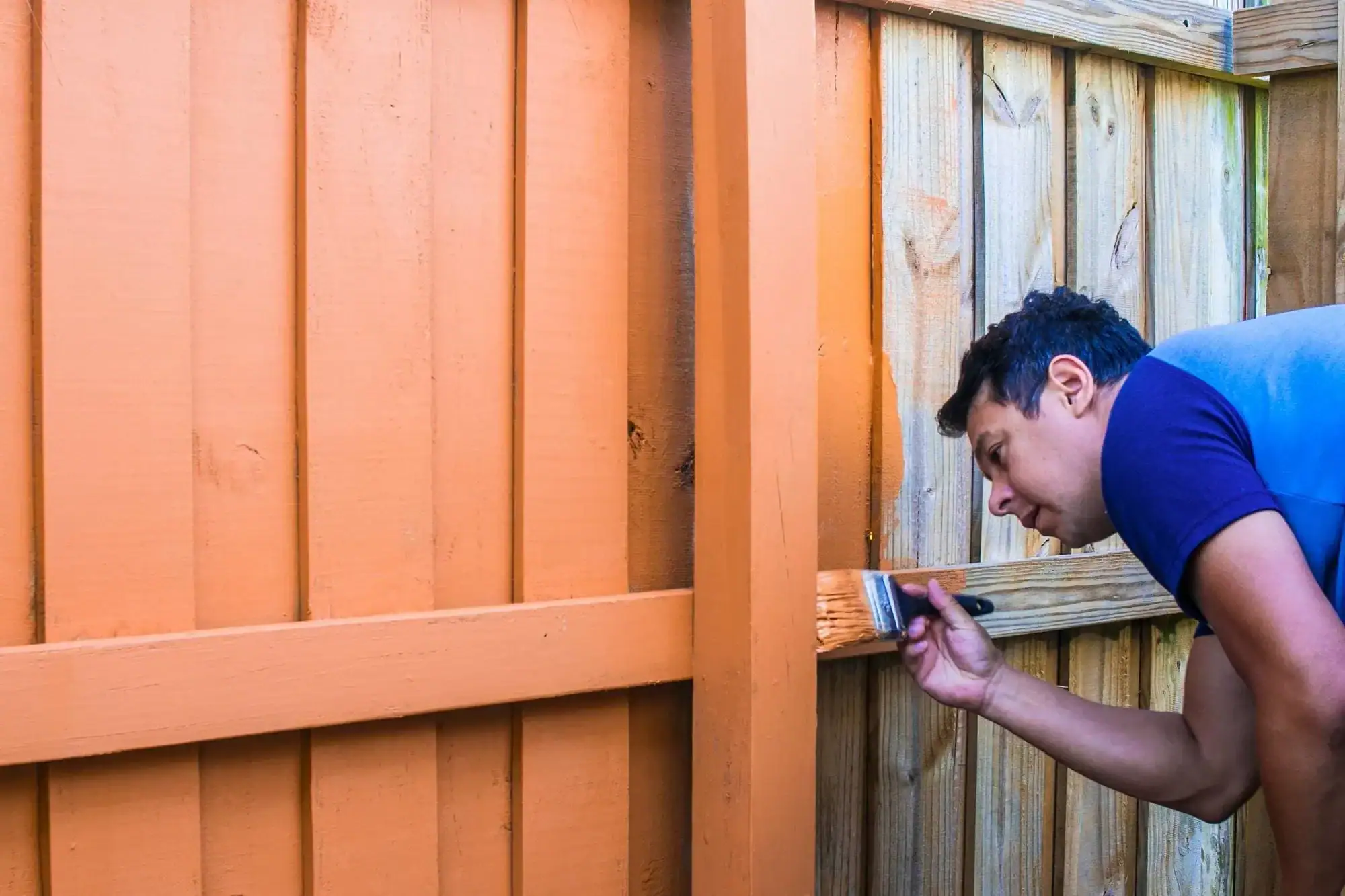
A lot of homeowners don’t think about their fence until it starts showing its age — boards going gray, wood starting to split, maybe a post that wobbles when you push it. By that point, you’re not talking about staining anymore. You’re talking about repairs or a full replacement. Professional wood fence staining is what keeps you on the right side of that line.
Living along the St. Clair River or the Pine River canal isn’t just a lifestyle — it’s a constant moisture environment. That ambient humidity, the morning fog off the water, the spring snowmelt soaking into post bases — it all adds up faster than most people expect. Stain penetrates the wood fiber and creates a barrier that holds that moisture out. Paint sits on the surface and eventually peels. Stain doesn’t. For riverfront and canal-adjacent properties in St. Clair, that difference is the gap between a fence that lasts twenty years and one that’s rotting by year eight.
Beyond protection, there’s the visibility factor. The St. Clair River is a public waterway. Boaters, marina visitors, and summer tourists from Metro Detroit see your property. A well-maintained, freshly stained fence isn’t just curb appeal — it’s a statement about how you take care of what you own. And in a community where property values along the river are significant, that matters.
Legends Painting LLC is a family-owned, owner-operated company — two brothers who have been in the painting and staining trade for over a decade. We’ve been serving St. Clair County for two years, and the experience behind us runs much deeper. When you call us, you’re talking to the people who will actually show up and do the work. No subcontractors, no surprises.
We serve homeowners across St. Clair County, including properties along the St. Clair River corridor, the Pine River area, and the surrounding Blue Water communities. We know what the river environment does to wood over time, and we factor that into every fence staining project we take on — from product selection to prep work to timing.
Our rating sits at 4.9 stars on verified third-party platforms. We’re fully licensed and carry both general liability and workers’ compensation insurance. That’s not a checkbox — it’s protection for your property and peace of mind for you.
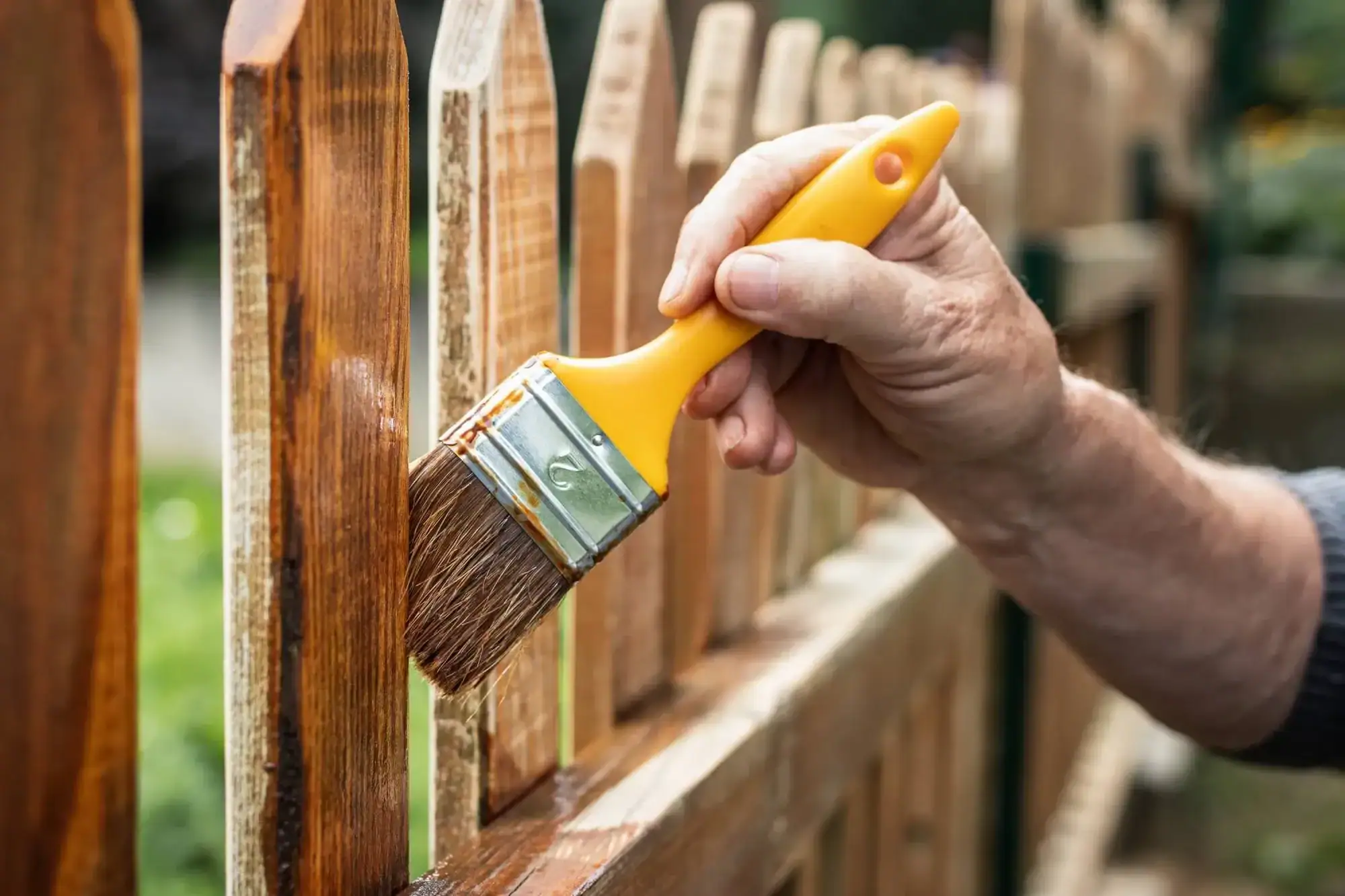
The first thing we do is assess the fence — not just how it looks, but what it’s actually dealing with. In St. Clair, that means checking wood moisture levels carefully, especially for fences near the river or Pine River canal where the ground stays saturated longer into spring. Staining over damp wood is one of the most common reasons stain jobs fail early, and it’s completely avoidable with the right prep.
Once the wood is clean, dry, and ready, we select the stain based on your fence’s specific condition. Newer cedar or pine gets a different product than weathered pressure-treated wood that’s been through several Michigan winters. Transparent stains let the grain show on newer fences. Semi-transparent or semi-solid formulas give older wood better coverage and protection. We walk you through the options before anything gets applied — no assumptions, no one-size product.
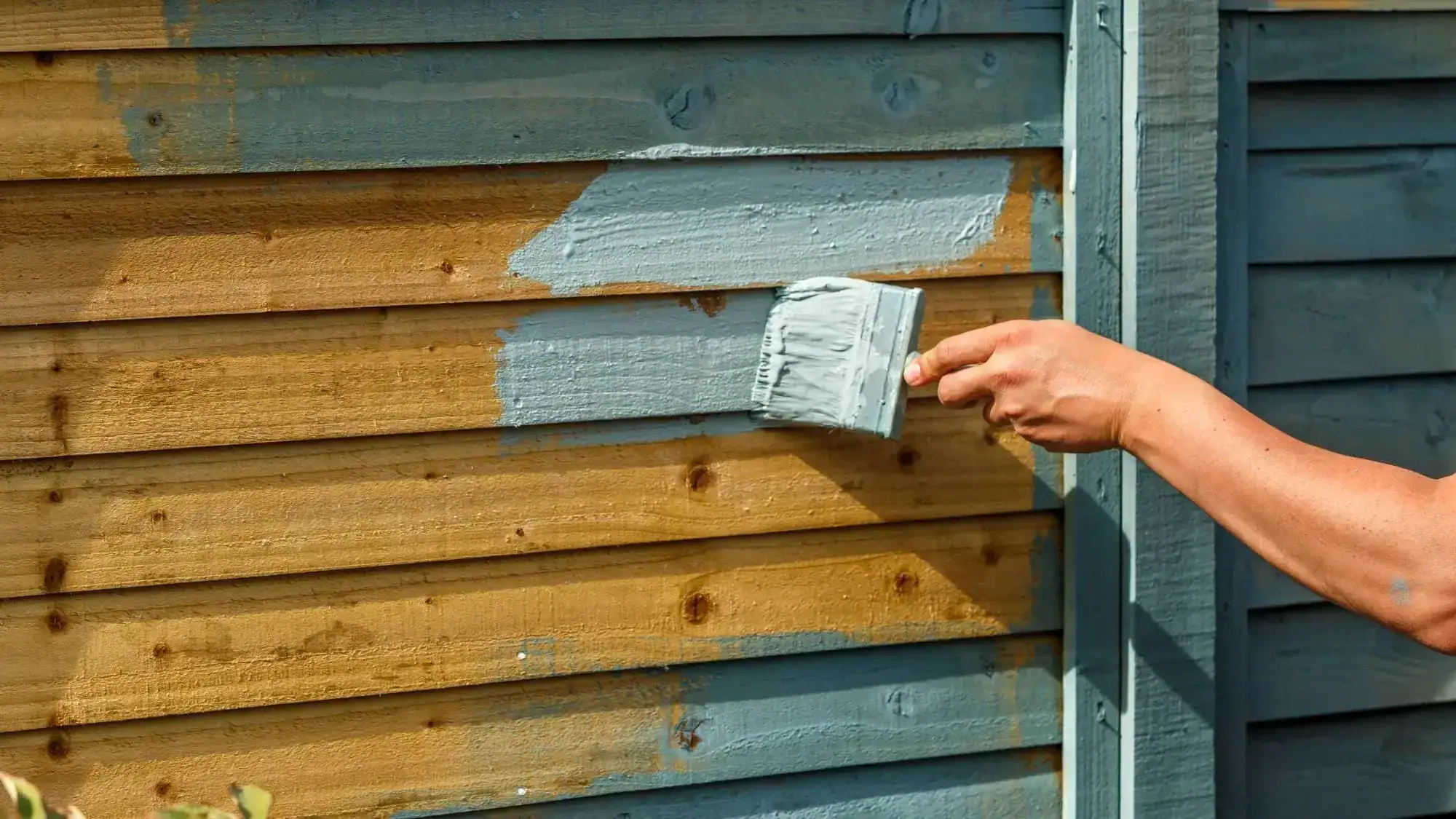
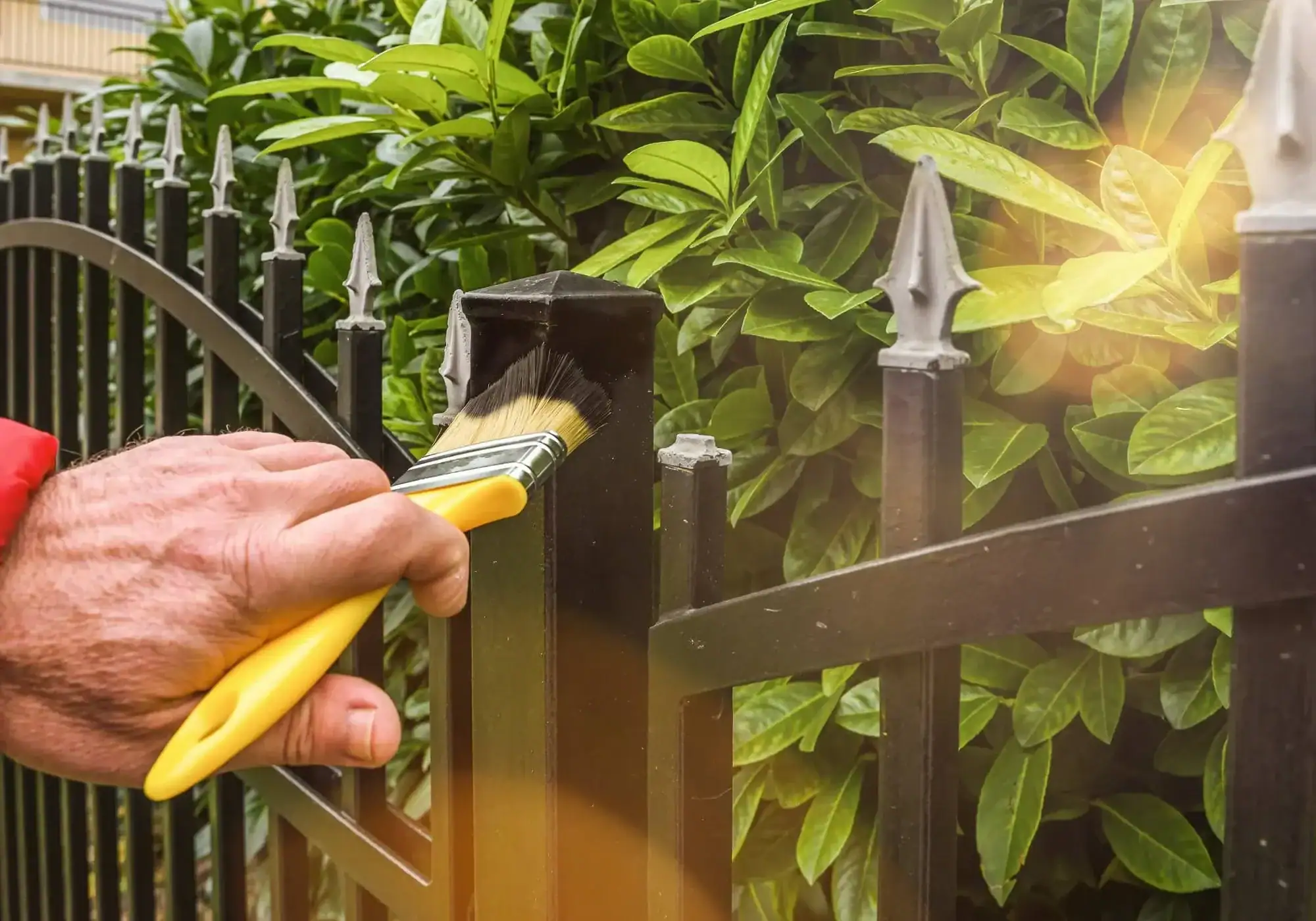
Application is done with the right method for your fence’s layout and condition — brush, roll, or controlled spray depending on what gives the cleanest, most even result. We mask off landscaping, siding, and anything nearby that shouldn’t get stain on it. Most residential fence staining projects in St. Clair are completed in a single day. When we leave, the site is clean and the fence is protected. That’s the standard every time.
Ready to get started?
Fence staining in St. Clair isn’t a one-product, one-approach service — not when you’re dealing with 35 inches of annual precipitation, 37 inches of snowfall, and a river environment that keeps ambient humidity elevated year-round. What we apply, how we prep, and when we schedule your project all get adjusted based on what your fence is actually up against.
For properties along the St. Clair River and Pine River corridor, moisture protection is the priority. We use penetrating stains — not surface sealers — that get into the wood fiber and stay there. For St. Clair’s older homes, some of which date back to the shipbuilding era of the late 1800s, we also assess for existing paint layers and weathered surfaces before any product goes down. Older wood needs more care in prep, and skipping that step is how you end up with a stain job that starts peeling within a year.
Timing matters here too. The optimal window for fence staining in St. Clair is late spring through early fall, with fall being especially important — a fence that goes into a Michigan winter with a full moisture barrier is in a completely different position than one that doesn’t. We keep our schedule transparent so you know exactly when your project fits and what to expect before, during, and after we’re done.
For most wood fences in St. Clair, a professional restain every two to four years is the right range — but riverfront and canal-adjacent properties often land on the shorter end of that window. The ambient moisture from the St. Clair River and Pine River accelerates the breakdown of stain over time, particularly on fence boards and post bases that face north or stay shaded and damp longer after rain.
The honest answer is that the reapplication timeline depends on the stain type, the wood species, and how much direct exposure your fence gets. A solid stain on a well-prepped fence in a partially shaded yard might hold up closer to four or five years. A semi-transparent stain on a south-facing riverfront fence with full sun and river humidity might need attention in two. When we complete a project, we give you a realistic maintenance window based on your specific fence — not a generic number pulled from a product label.
Most residential fence staining projects in St. Clair fall somewhere between $300 and $800, depending on the size of the fence, the condition of the wood, and the stain type selected. Longer fences, fences that need more intensive prep work, or older wood that requires additional cleaning before staining will land toward the higher end of that range.
What changes the price more than anything is the prep work required. A fence that’s been maintained and just needs a cleaning and a fresh coat is a straightforward job. A fence that’s been neglected for years — grayed out, with mildew, peeling old paint, or soft spots — takes more time and materials to do right. We give you a clear quote upfront based on what we actually see, not a number that grows after we’ve started. No hidden fees, no surprises at the end.
Stain penetrates into the wood fiber. Paint sits on top of it. That distinction matters a lot in a moisture-heavy environment like St. Clair, where river humidity and seasonal rain are constant. When paint forms a surface film on wood that’s regularly exposed to moisture, it eventually loses adhesion — it blisters, cracks, and peels. Once that happens, water gets underneath and the damage accelerates.
Stain doesn’t peel because it’s not sitting on the surface. It soaks in and becomes part of the wood, which means it wears gradually and evenly rather than failing in patches. For wood fences in St. Clair’s river climate, stain is almost always the better long-term choice. It’s also easier to maintain — when it’s time to restain, you clean the surface and apply. There’s no stripping, no scraping, no dealing with failed paint layers. If your fence currently has paint on it, we’ll assess the condition before recommending a path forward.
Late spring and fall are the best windows for fence staining in St. Clair — specifically when temperatures are consistently between 50°F and 75°F and rain isn’t in the immediate forecast. Stain needs time to penetrate and cure properly, and temperatures outside that range — either too hot or too cold — interfere with that process.
Fall is particularly important for St. Clair homeowners. A fence that goes into a Michigan winter with a fresh, properly cured stain is protected against the freeze-thaw cycles that crack and split untreated wood. St. Clair’s river environment means fences are absorbing more moisture through the fall than inland properties — so heading into winter without that barrier is a real risk. Fall booking slots fill up quickly in September and October, so if you’re planning a fall project, earlier is better. Spring is also a solid window once the ground has dried out and temperatures have stabilized, but wood moisture levels near the river need to be checked before any product goes down.
A sealer is primarily a water repellent — it sits near the surface and sheds moisture. A stain does that too, but it also adds color and UV protection, and it penetrates deeper into the wood fiber. For most wood fences in St. Clair, a quality penetrating stain gives you better all-around protection than a clear sealer alone, because you’re dealing with both moisture from the river environment and UV exposure from Michigan’s summer sun.
Clear sealers can be a good option for very new wood where you want to preserve the natural look without adding color, but they tend to need reapplication more frequently and offer less protection against the graying and oxidation that UV causes over time. A semi-transparent or transparent stain gives you the grain visibility of a sealer with meaningfully better protection. If your fence is already showing gray or weathering, a sealer alone won’t reverse that — stain will. We’ll tell you honestly which option makes sense for your fence based on its current condition and what you’re trying to accomplish.
It does both, but the rot prevention is the more important benefit — especially in St. Clair. Rot starts when wood stays wet long enough for fungal growth to take hold, and the most vulnerable spots are post bases where the wood meets the ground or concrete, and any horizontal surfaces where water pools. In St. Clair’s river-adjacent environment, where soil stays saturated longer and ambient humidity is higher than inland communities, untreated wood reaches that threshold faster.
A penetrating stain creates a moisture barrier throughout the wood fiber — not just on the surface — that significantly slows the rate of water absorption. It doesn’t make wood waterproof, but it keeps the moisture content of the wood low enough that the conditions for rot are much harder to sustain. Combined with proper prep and application at the right time of year, professional fence staining is one of the most effective things you can do to extend the life of a wood fence. Replacing a rotted fence runs $1,500 to $4,000 or more. Staining it on a regular cycle costs a fraction of that.
