
Hear from Our Customers
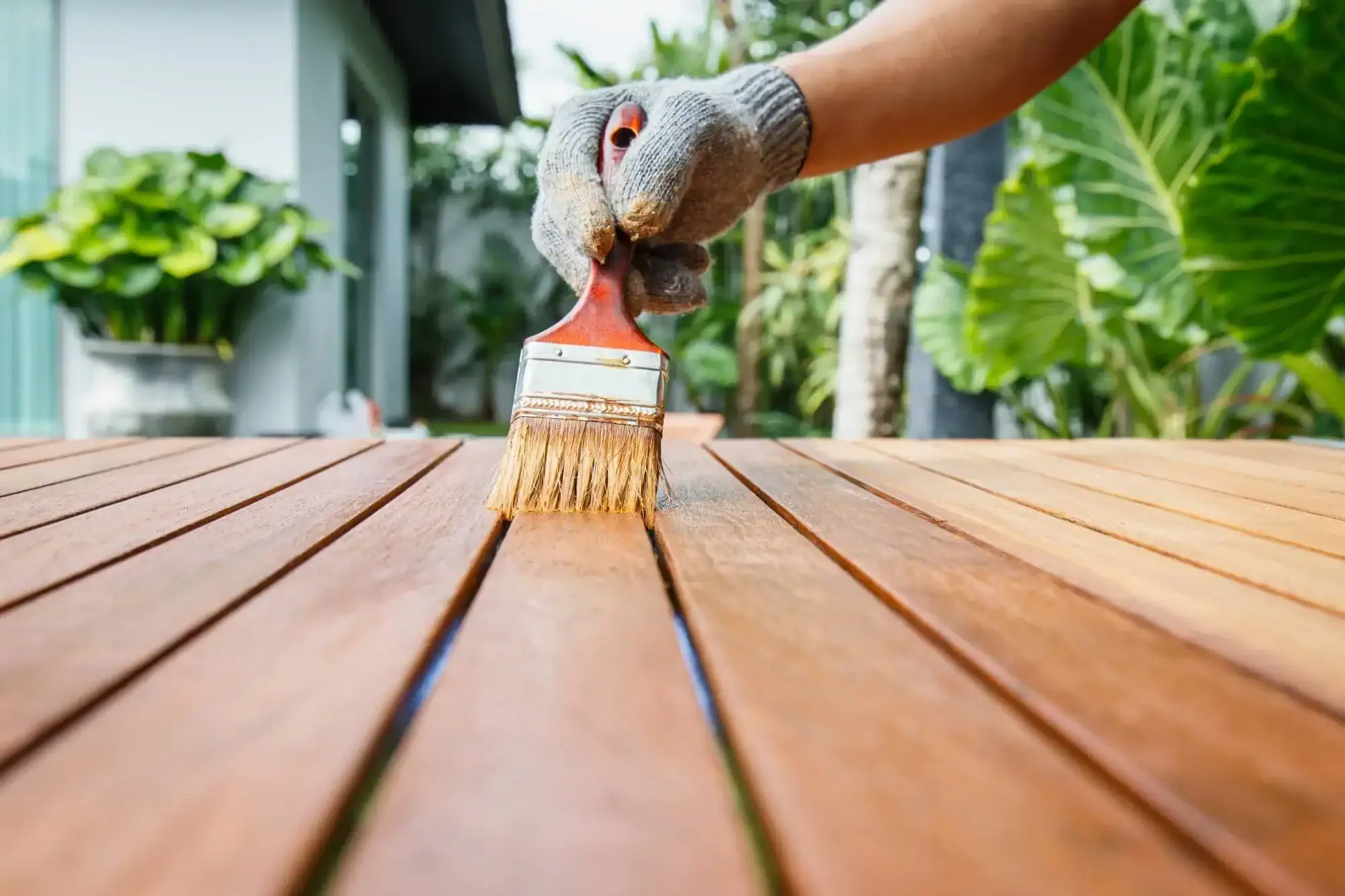
Living along the North Channel means your wood fence is dealing with conditions most Michigan homeowners never think about. The moisture coming off the water doesn’t let up — not in summer, not in fall, and especially not heading into a Michigan winter where freeze-thaw cycles go to work on every crack in the grain. An unstained fence in Pearl Beach absorbs that moisture and holds it. By the time you see the gray, the warping, or the soft spots, the damage is already deep.
Professional fence staining changes that equation. A quality penetrating stain doesn’t just sit on the surface — it gets into the wood and creates a barrier that moisture can’t easily break through. That matters everywhere in Michigan, but it matters more here where the North Channel humidity is a year-round factor, not a seasonal one. Canal-front properties and homes along the Bird Streets or The Colony deal with reflected water exposure that accelerates wood degradation faster than almost any other residential environment in St. Clair County.
The practical result is a fence that stays structurally sound, looks sharp through the boating season, and doesn’t hand you a full replacement bill in five years. Most properly stained fences in Michigan last 20 years or more with regular maintenance. That’s the difference between a $400 staining job every few years and a $3,000 fence replacement you weren’t planning for.
We’re run by two brothers who have been doing this work for over a decade. Our company is about two years old, but the experience behind it isn’t. When you book with us, you’re not rolling the dice on who shows up — it’s us. That accountability matters anywhere, but in Pearl Beach where neighbors talk and word travels fast, it matters even more.
We serve homeowners across St. Clair County, including Pearl Beach, Algonac, and the surrounding Clay Township area. We know what waterfront wood looks like after a Michigan winter. We know the difference between a fence that just needs a fresh coat and one that needs real prep work before a drop of stain touches it. That distinction is what separates a job that lasts from one that peels by spring.
Our rating sits at 4.9 stars on Angi and HomeAdvisor — not because we chase reviews, but because we do the job right and leave the property clean. We’re fully licensed, fully insured, and straightforward about pricing from the first conversation.
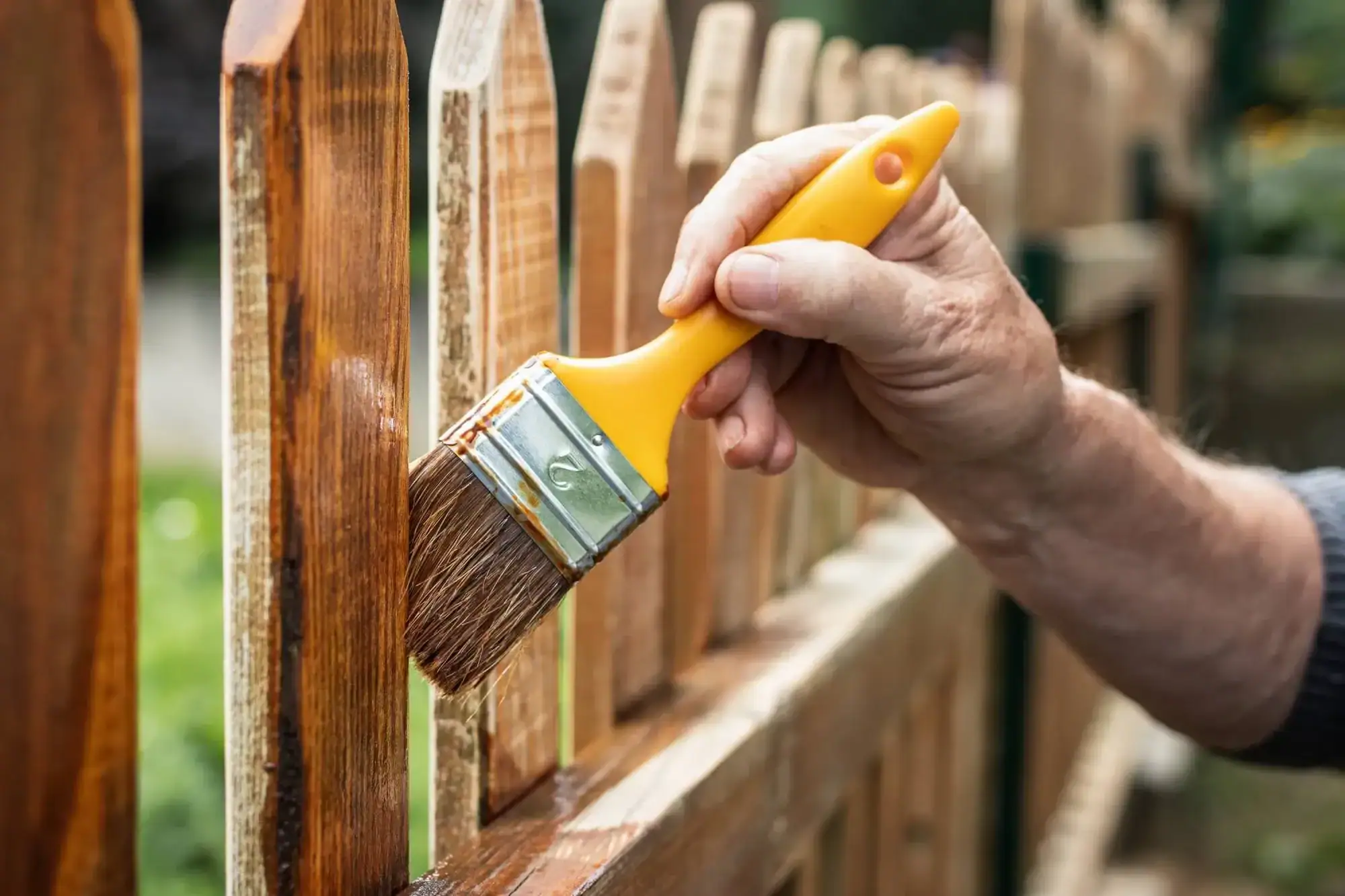
It starts with an honest assessment of your fence. Before anything gets applied, we look at the wood — its age, current condition, moisture content, and how much weathering it’s taken. For a fence along a Pearl Beach canal or near the waterfront, that moisture check matters more than most people realize. Staining over damp wood is one of the most common reasons stain fails early, and it’s completely avoidable with the right preparation.
Once we know what we’re working with, we clean the surface properly. That means removing dirt, mildew, oxidation, and any old stain that’s breaking down. Skipping this step is where a lot of DIY attempts go wrong — and why homeowners end up frustrated when their fence looks worse six months later than it did before they started. We don’t skip it.
From there, we select the right stain type for your specific fence. Newer wood with good grain might call for a transparent or semi-transparent formula. An older fence that’s been through several Michigan winters might need a semi-solid to cover the weathering and provide stronger protection. In Pearl Beach’s waterfront environment, we lean toward formulas with strong moisture resistance — not just UV protection. The staining window here in Michigan runs roughly from late April through October, and we’ll be upfront with you about timing. If rain is in the forecast or temperatures are pushing outside the 50–90°F range, we reschedule — because application conditions directly affect how long the stain holds.
Ready to get started?
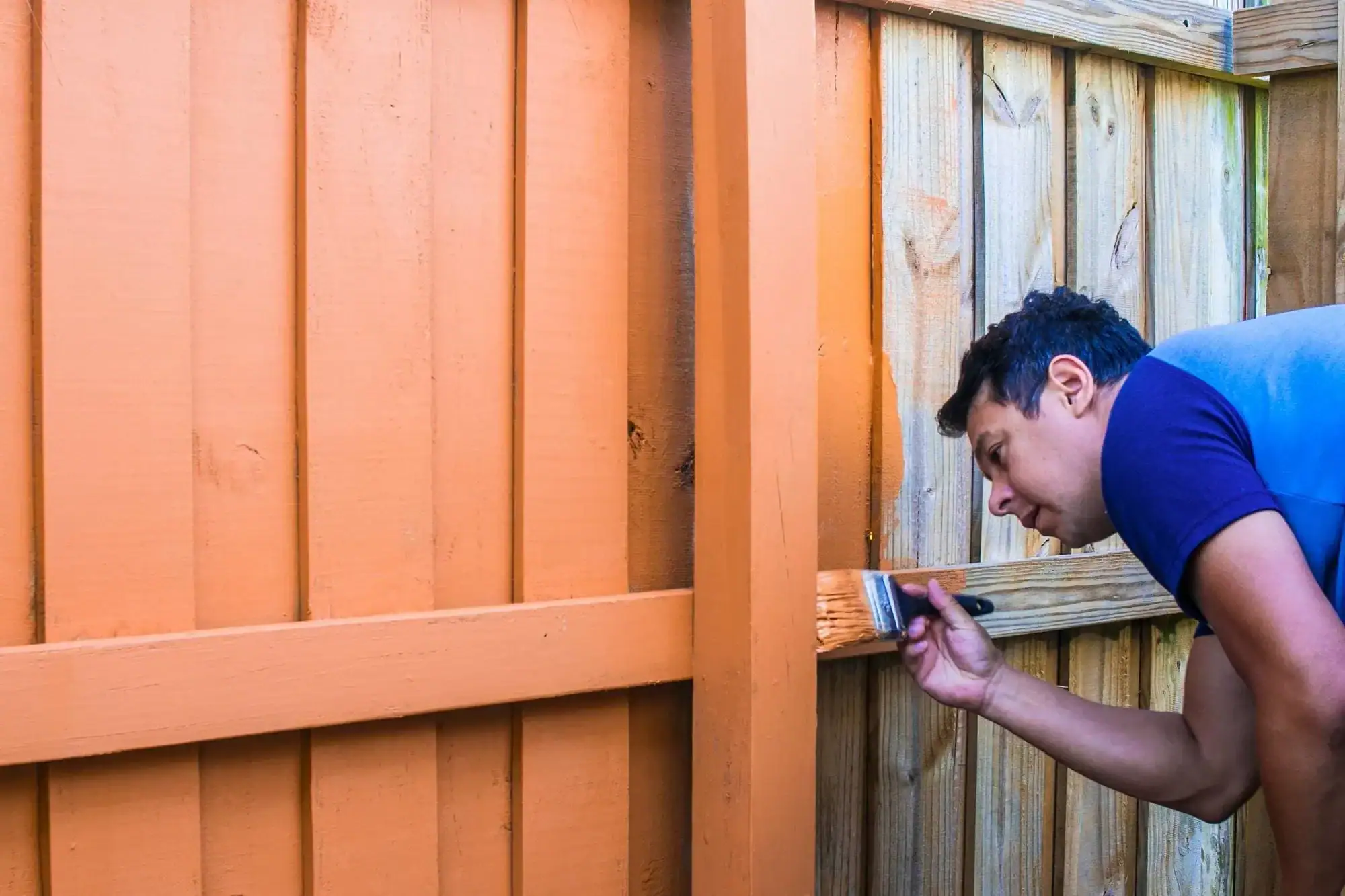
Every fence staining job we do in Pearl Beach starts with a full surface assessment — not a quick glance before we start spraying. We check for soft spots, structural issues, and moisture levels before we commit to a stain type or timeline. If something needs attention before staining, we tell you upfront rather than cover it up and let it become your problem six months from now.
Surface prep is included in every job. That means cleaning, mildew treatment where needed, and light sanding or scraping on areas where old stain is lifting or failing. For canal-adjacent or waterfront fences in Pearl Beach — the kind that run along seawalls or sit within feet of the North Channel — we pay extra attention to the lower sections of the fence where ground moisture and water contact are most concentrated. Those areas tend to fail first, and they need the most thorough prep.
Stain selection is a conversation, not a guessing game. We’ll walk you through the options — transparent, semi-transparent, semi-solid, or solid — and explain what each one does for your specific fence given its age and condition. Most residential fence staining projects in Pearl Beach run between $300 and $800 depending on fence length and condition. We give you a clear number before we start, and that number doesn’t change when the job is done. Staining an existing fence in Pearl Beach is a maintenance activity, not a structural alteration, so you won’t need a permit from Clay Township for the staining work itself.
For most wood fences in Pearl Beach, every two to three years is a realistic maintenance cycle — and that’s shorter than what you’d plan for in an inland Michigan community. The reason is straightforward: the persistent humidity off the North Channel keeps your fence in a higher-moisture environment year-round, and that accelerates how quickly stain breaks down and how fast bare wood weathers. If your fence is in direct sun along a south-facing waterfront exposure, or if it runs along a canal where it’s getting moisture from multiple directions, you may be looking at the shorter end of that range.
The best way to know for sure is to do a simple water test. Splash a small amount of water on the fence surface. If it beads up, the stain is still doing its job. If it soaks right in, the wood is exposed and it’s time to restain. Don’t wait until you see gray or soft spots — by then, the wood has already been taking on moisture unprotected, and you’re dealing with damage rather than prevention.
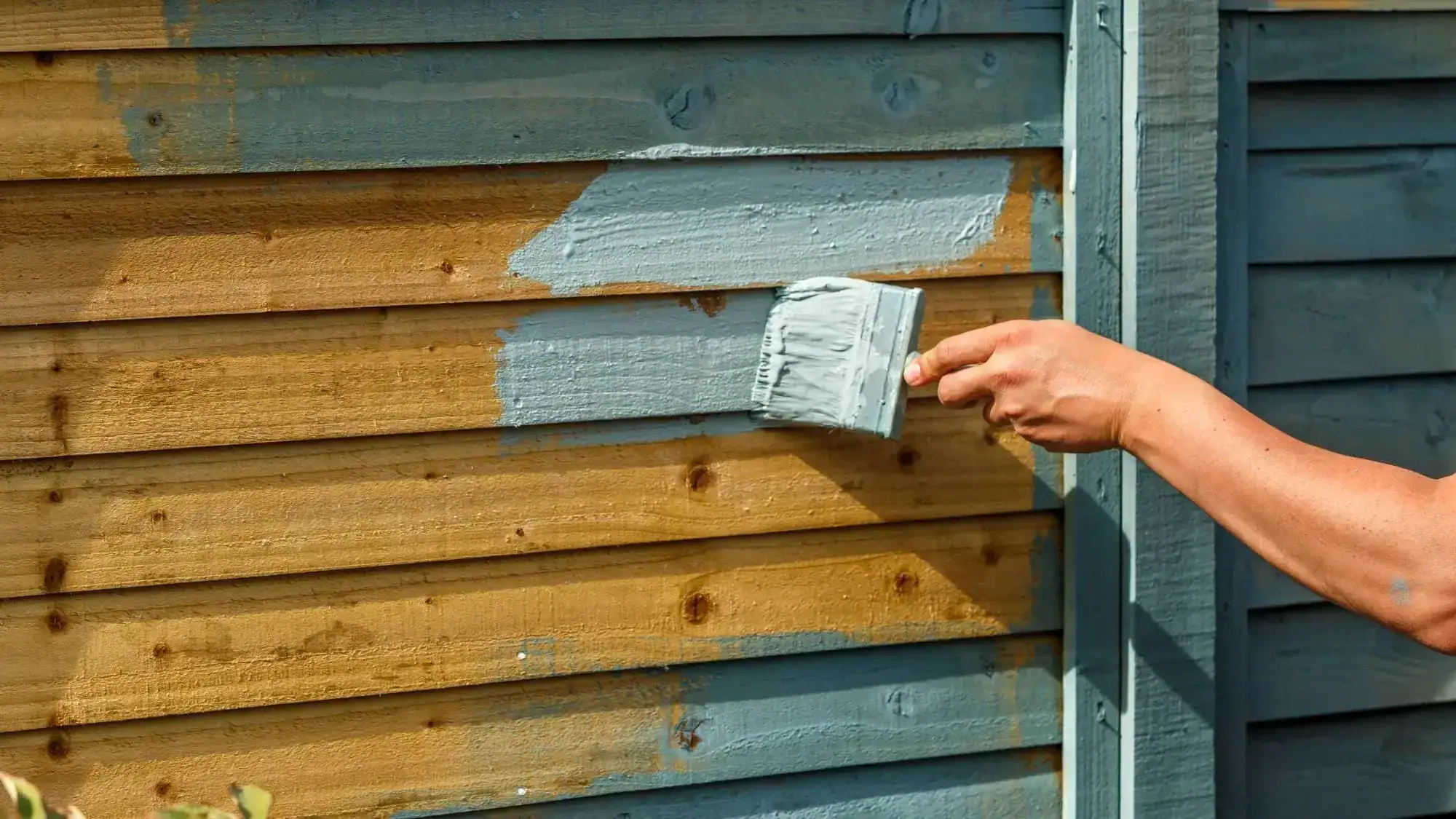
Stain penetrates into the wood fiber and protects from the inside out. Paint sits on top of the surface and forms a film. That distinction matters a lot in a waterfront environment like Pearl Beach, where moisture is constantly working against whatever’s on your fence. Paint can look great initially, but once moisture gets underneath it — and in a high-humidity environment along the North Channel, it will — it blisters, cracks, and peels. At that point, you’re dealing with a prep and repaint job that costs more than the original application.
Stain doesn’t peel the same way because there’s no surface film to lift. When it breaks down, it does so gradually, and reapplication is straightforward. For wood fences specifically, stain is almost always the better long-term choice in Michigan’s climate. It lets the wood breathe, moves with the natural expansion and contraction of the wood through seasonal temperature swings, and holds up far better through freeze-thaw cycles than paint does. If you have a fence that was previously painted, that’s a different conversation — we’d assess whether stripping is necessary before switching to stain.
Almost every fence needs to be cleaned before staining — the question is how much. A fence that’s been sitting through one Michigan winter along the North Channel will have some combination of dirt, mildew, oxidized wood fibers, and possibly remnants of old stain that’s breaking down. Applying new stain over any of that is one of the fastest ways to get a poor result. The stain can’t penetrate properly, adhesion is compromised, and you end up with blotchy or uneven coverage that fails early.
For Pearl Beach fences specifically, mildew is a real concern. The waterfront humidity creates favorable conditions for mildew growth on wood surfaces, and if you’ve got a fence on the shaded north side of a property or close to ground level near a canal, there’s a good chance mildew is present even if it’s not obviously visible. We treat for it as part of our prep process. A clean, dry, properly prepared surface is what allows stain to do its job — and it’s the step that most DIY projects either rush or skip entirely.
For canal-front and waterfront-adjacent fences in Pearl Beach, we generally lean toward oil-based semi-transparent or semi-solid stains with strong moisture-resistance properties. The reason is that water-based formulas, while they’ve improved significantly, still tend to underperform in environments with persistent high moisture exposure — and a fence sitting within feet of a canal along the North Channel qualifies as a high-moisture environment by any standard.
Oil-based penetrating stains get deeper into the wood grain and create a more durable moisture barrier, which is exactly what you need when your fence is dealing with canal spray, reflected humidity, and Michigan freeze-thaw cycles all in the same year. Semi-transparent formulas work well for fences that still have good structural integrity and attractive grain worth showing. If the fence is older or has significant weathering, a semi-solid gives better coverage and protection without going to a full solid color. We assess each fence individually and make a recommendation based on what we actually see — not a one-size-fits-all formula.
Most residential fence staining projects in Pearl Beach run between $300 and $800. Where your project falls in that range depends on a few things: the total linear footage of your fence, its current condition, how much prep work is needed, and the stain type selected. A fence that’s in good shape and just needs a fresh coat is going to cost less than one that requires significant cleaning, mildew treatment, or spot repairs before staining can begin.
For waterfront and canal-front properties in Pearl Beach — where fences tend to be longer to cover seawall frontage or property perimeters along the water — projects can run toward the higher end of that range simply based on size. We give you a clear, specific number before we start. There’s no vague estimate that expands once we’re on the job. If something changes during the project that affects the scope, we tell you before we proceed, not after. The goal is that the number we quote is the number you pay.
Yes — and for Pearl Beach homeowners, fall staining is actually one of the most strategically important maintenance windows of the year. Heading into a Michigan winter with an unprotected or failing fence means the wood absorbs moisture before every freeze cycle. That water expands as it freezes, widening existing cracks and creating new ones. By spring, what looked like a fence that just needed a fresh coat has turned into one with real structural damage.
The window for fall staining in Pearl Beach is typically September through mid-October, depending on the year. You need temperatures consistently above 50°F and a dry stretch of at least 24–48 hours after application for the stain to cure properly. Along the North Channel, fall can bring early cold snaps and increased moisture off the water, so timing matters. We book fall projects as the season approaches, and that schedule fills up. If you’re thinking about getting your fence stained before winter, reaching out in late August or early September gives you the best shot at getting on the calendar during the optimal window.