
Hear from Our Customers
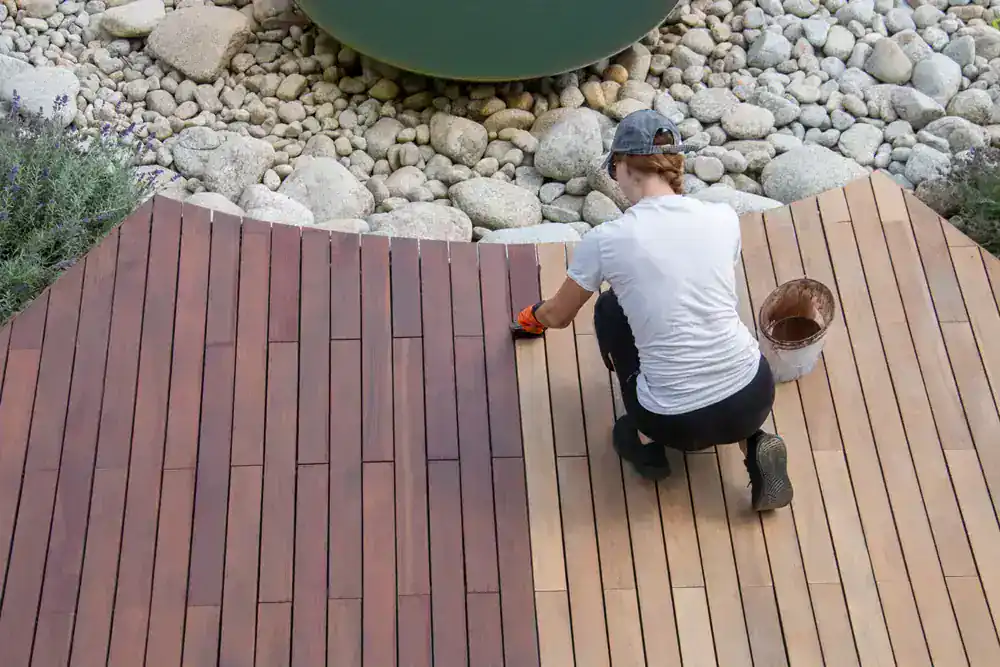
Living along the St. Clair River has its perks — but moisture isn’t one of them when it comes to outdoor wood. The river humidity, morning fog, and the freeze-thaw cycles that hit Marysville every winter are the exact combination that breaks down unprotected decks faster than most homeowners expect. Water gets into the grain, freezes, expands, and by spring you’re looking at cracking, cupping, and boards that feel soft underfoot. Professional deck staining in Marysville stops that cycle before it starts.
Beyond protection, a freshly stained deck changes how your outdoor space feels. Whether you’re in an established home off Huron Boulevard, a riverfront condo near Mariners Village, or a classic house in the Salt Block neighborhood, a clean, well-maintained deck reflects a home that’s been taken care of. That matters for your own enjoyment, and it matters when it’s time to sell. Marysville homeowners invest in their properties — and a stained deck is one of the clearest, most cost-effective ways to protect that investment from the ground up.
The math is simple. Professional deck staining costs a fraction of what board replacement or a full deck rebuild runs. Done on a reasonable maintenance cycle, it can add years — sometimes decades — to the life of your deck. That’s just what happens when wood stays sealed.
Legends Painting LLC is a family-owned painting and construction company run by two brothers with over ten years of combined experience in the trade. We’ve been operating for about two years, but the knowledge behind us goes back much further — built through real projects, real weather, and real clients across St. Clair County and the Blue Water region.
When you reach out to us, you’re talking to the people doing the work. There’s no call center, no franchise coordinator, no crew showing up that’s never heard your name. That kind of direct accountability matters in a community like Marysville, where the quality of each other’s work is noticed and word travels fast. From the Salt Block to the subdivisions of Marysville North, we keep the same standard on every job.
We’re licensed in Michigan, which means we’ve met the state’s requirements for contractor education and credentialing — something not every operator competing for deck staining jobs in this area can say. Quality work and competitive pricing aren’t just talking points here. They’re the reason our clients call back.
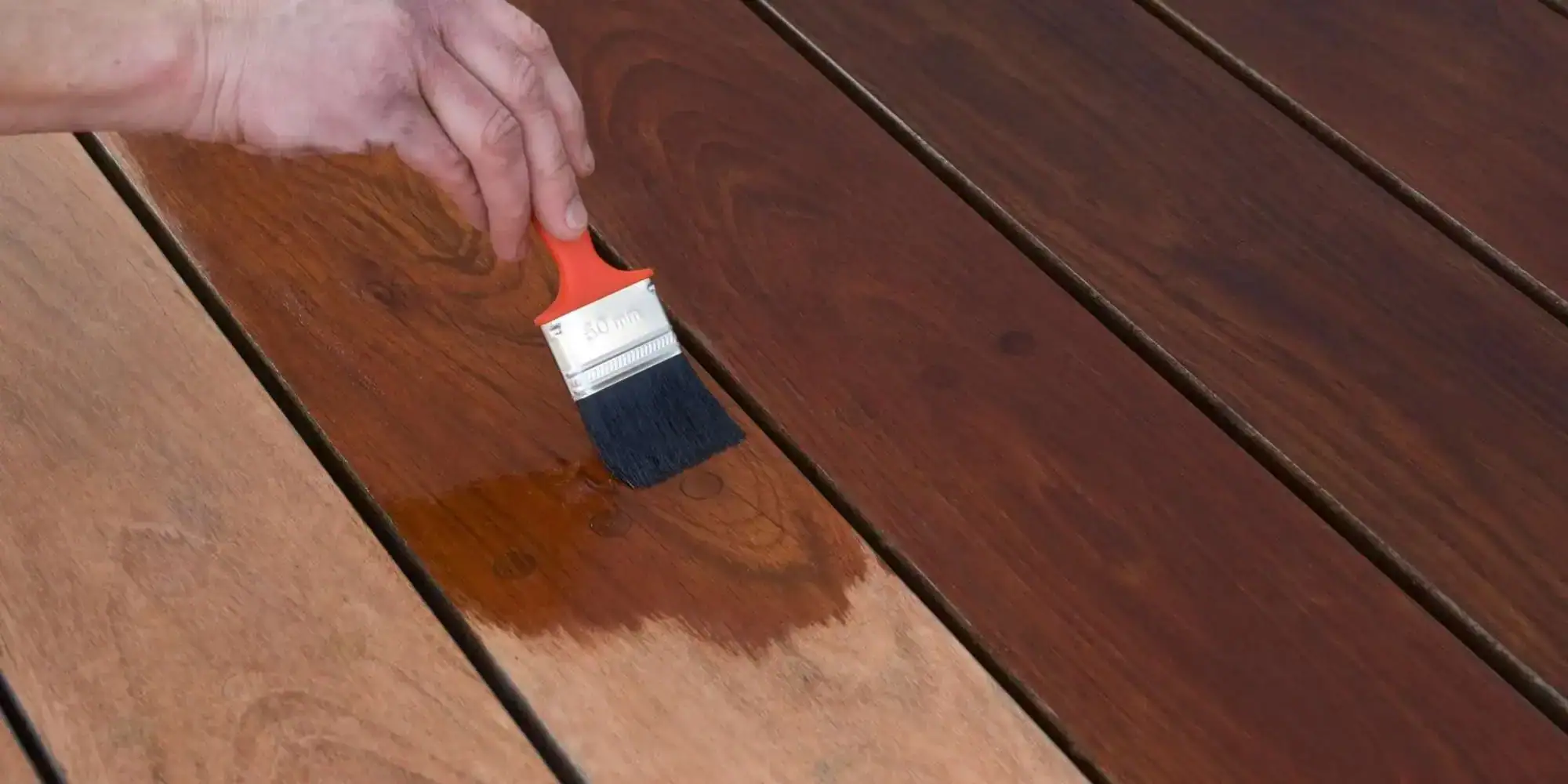
The first thing that happens is an honest look at your deck. Before any stain gets applied, we assess the wood — checking for soft spots, surface damage, boards that need attention, and the overall condition of the existing finish. In Marysville, where many homes were built between the 1970s and 1990s, decks often have years of weathering that require more than a quick coat of stain. Skipping this step is the number-one reason deck staining fails early, and we don’t do it.
Once the assessment is done, we clean the deck. Power washing removes dirt, mildew, algae, and any old stain that’s peeling or flaking. After washing, the wood needs adequate dry time before stain is applied — this is especially important in Marysville’s humid, river-adjacent environment, where wood can hold moisture longer than it would inland. Rushing this step leads to adhesion problems and a finish that won’t last.
From there, stain is applied with the right product for your specific deck — wood type, age, and condition all factor into that decision. Marysville’s outdoor staining window runs roughly from late May through early October, so timing matters. If you’re scheduling for the season, earlier is better. We work with you to find a window that fits and get the job done right while the conditions allow it.
Ready to get started?
Deck staining in Marysville isn’t one-size-fits-all. The right approach depends on what your deck is made of, how old it is, and what kind of exposure it takes. A deck facing the St. Clair River on the east side of the city faces very different conditions than one tucked into a shaded backyard in Marysville North. We account for that. Product selection — semi-transparent, solid, water-based, or oil-based — is made based on your specific wood and situation, not just whatever’s easiest to apply.
Our service includes a full prep phase: cleaning, surface prep, and any minor spot work needed before staining begins. Stain is then applied evenly across the entire deck surface, including railings, stairs, and any exposed wood that’s part of the structure. If you’re in one of Marysville’s waterfront condo communities — Snug Harbor, Emerald Forest, Cuttle Creek, or similar — we can work within HOA guidelines on finish type and color, which is a detail that trips up a lot of homeowners who don’t realize their association has requirements.
Deck staining maintenance in Michigan is typically recommended every two to three years, depending on exposure. Homes with south- or west-facing decks, or those near the river, tend to need attention on the shorter end of that range. We can give you a straight answer on where your deck falls after the initial walkthrough — no upsell, just an honest read on what the wood actually needs.

For most Marysville homeowners, every two to three years is a reasonable maintenance cycle — but that range shifts depending on your specific situation. Decks that face south or west get more direct UV exposure and tend to need attention closer to the two-year mark. Decks near the St. Clair River, or in the waterfront condo communities along River Road, deal with elevated humidity and moisture exposure that accelerates wear on the wood finish.
The best way to gauge it is to do a simple water test. Pour a small amount of water on the deck surface. If it beads up, the stain is still doing its job. If it soaks in within a few seconds, the wood is no longer protected and it’s time to restain. Don’t wait until you see visible graying or cracking — by that point, you may be looking at restoration work rather than routine maintenance, which takes more time and costs more to address.
The practical staining window in Marysville runs from late May through early October. Stain needs ambient temperatures between roughly 50°F and 90°F, low humidity, and dry conditions to cure properly — and in Michigan, that window is shorter than most homeowners assume. Spring can be unpredictable in St. Clair County, with cold snaps and river fog pushing the reliable start date into late May or early June some years.
That compressed window means the best deck staining contractors in the area get booked up fast. If you’re planning to have your deck stained this season, reaching out early — even before the weather fully turns — gives you the best shot at getting on the schedule when conditions are ideal. Waiting until July often means waiting longer than expected, and pushing into September risks an early frost that can interfere with proper curing.
Staining and painting both protect wood, but they do it differently. Stain penetrates into the wood fibers and allows moisture vapor to escape, which makes it a better long-term choice for most decks in Michigan’s climate. Paint sits on top of the surface as a film, which looks clean initially but tends to peel, chip, and trap moisture underneath over time — especially in environments with heavy freeze-thaw cycling like Marysville sees every winter.
For most residential decks in St. Clair County, staining is the more practical and durable option. It handles the temperature swings, handles the river humidity, and when it does eventually wear, it’s easier to reapply without the prep headaches that come with peeling paint. Solid-color stains can give you a paint-like appearance if that’s what you’re after, while still offering the penetrating protection that wood in this climate actually needs.
Deck staining costs in the Marysville area typically range from around $500 for a smaller, straightforward deck to $2,000 or more for larger decks that need significant prep work or restoration before staining. The biggest variables are deck size, the current condition of the wood, and how much prep is required before stain can be applied. A deck that’s been maintained regularly costs less to restain than one that’s been neglected for several seasons and needs heavy cleaning, sanding, or board work first.
We give straightforward estimates based on what your deck actually needs — not a lowball number to win the job followed by add-ons once work starts. The goal is competitive pricing that reflects the real scope of the project upfront. If your deck is in rough shape, you’ll know that before any work begins, along with what it takes to address it properly.
Yes — and this is one of the most common situations we encounter across Marysville’s older residential neighborhoods. Graying is a sign that UV exposure has broken down the wood’s surface lignin, but it doesn’t necessarily mean the deck is structurally compromised. In many cases, a thorough cleaning with a wood brightener or deck cleaner can restore the surface enough to accept a fresh coat of stain and look significantly better than you’d expect.
The key is honest assessment. If the graying is purely surface-level and the boards are still structurally sound, staining is a great option. If the wood has gone soft, is showing signs of rot, or has boards that flex or crack underfoot, some replacement work may be needed before staining makes sense. We’ll tell you which situation you’re actually in after looking at the deck — because staining over compromised wood doesn’t fix the problem, it just covers it temporarily.
For routine deck staining and maintenance on an existing structure, you typically do not need a building permit in Marysville. Permits are generally required for new deck construction or structural modifications — adding square footage, replacing the frame, changing the footprint — not for surface maintenance like cleaning and staining.
Where things get more specific is if you’re in one of Marysville’s condo communities along the riverfront — places like Snug Harbor, Mariners Village, or Emerald Forest. HOA-governed properties often have guidelines around exterior finishes, approved stain colors, or product types, and it’s worth checking with your association before work begins. We’re familiar with working within those kinds of community requirements and can help you navigate the process if needed. If you’re unsure whether your property has any restrictions, that’s a good question to bring up when you reach out for an estimate.
